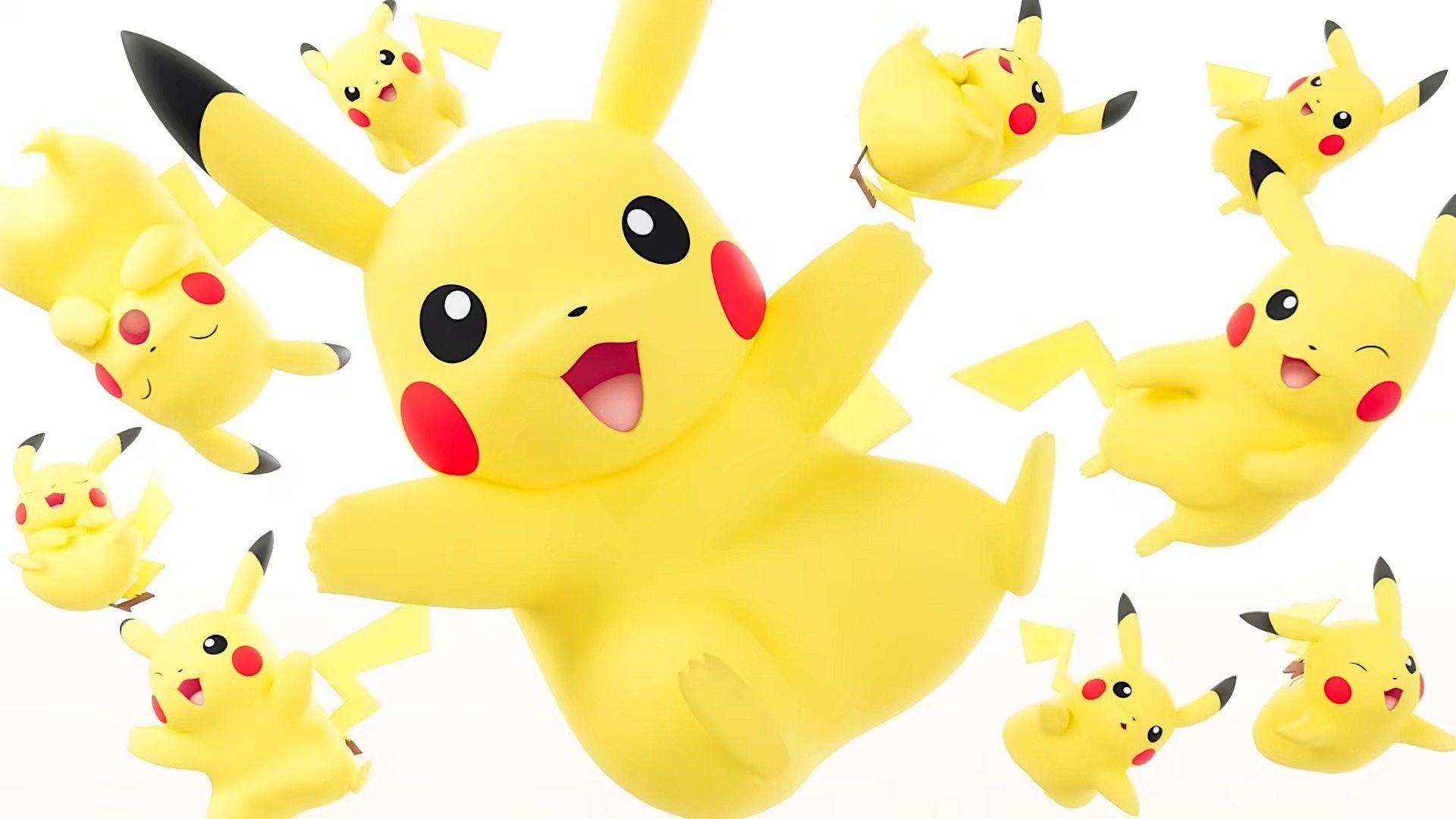
Nintendo and The Pokémon Company announced a commemorative Eevee‑themed UPC bundle on March 27 to celebrate the franchise’s 30th anniversary, positioning it as a must‑have for both casual fans and seasoned collectors. The package includes a limited‑edition game card, a stylized enamel pin, and a specially printed collector’s box, all wrapped in a pastel‑blue design that references the beloved evolution‑centric Pokémon.
Target and Best Buy, the two largest U.S. mass‑market retailers carrying the set, have taken markedly different approaches to distribution. Target’s strategy hinges on a real‑time online queue that opens at 10 a.m. PT, allowing shoppers to claim a unit if they are among the first 3,200 to complete the checkout process. In contrast, Best Buy has instituted a rotating lottery that draws a handful of eligible participants every hour, granting them a temporary reservation code to purchase the bundle in‑store or online.
Both companies issued statements emphasizing their commitment to “fair access” for fans, with Target’s senior merchandising director noting that the queue system “mirrors the excitement of a live event,” while Best Buy’s public affairs lead described the lottery as “a data‑driven method to reduce bot traffic and ensure a broader geographic reach.” Consumer advocacy groups, however, have already lodged complaints, arguing that the lack of uniformity creates confusion and potentially inflates resale activity.
In-Depth Analysis & Key Details
The 30th‑anniversary release arrives at a crossroads for gaming merchandise, where nostalgia‑driven drops have historically generated frenzied demand—think the 2017 Pokémon GO anniversary T‑shirt or the 2020 limited‑edition Nintendo Switch OLED bundles. Over the past decade, retailers have experimented with pre‑order caps, timed releases, and digital raffles to curb scalping, yet each method carries trade‑offs in transparency and consumer trust.
Target’s queue model reflects a broader retail trend toward “virtual lines,” a technology adopted by brands like Adidas and Supreme to manage high‑volume launches. While it can reduce the advantage of automated bots, critics argue that it still favors those with faster internet connections and the ability to monitor the site continuously. Best Buy’s lottery, by contrast, attempts to democratize access by random selection, but it introduces uncertainty for shoppers who may wait hours without guarantee of a purchase, potentially driving them to secondary markets.
Industry analysts point out that the underlying tension stems from supply‑chain constraints intensified by pandemic‑era component shortages and a surge in collector demand. With manufacturing capacity limited to a fixed run of 10,000 units, both retailers must balance the desire for exclusivity—an essential driver of premium pricing—with the risk of alienating a loyal fan base. Experts from the Retail Futures Institute warn that repeated scarcity tactics could trigger regulatory scrutiny under consumer‑protection statutes if retailers are perceived to mislead shoppers about availability.
"The clash between queue‑based and lottery‑driven sales illustrates how the industry is still searching for a fair‑play formula that satisfies collectors without feeding the resale market."
Why This Matters & What Lies Ahead
For everyday gamers, the divergent retail strategies translate into a tangible dilemma: whether to invest time monitoring a digital queue or accept the randomness of a lottery, each with its own opportunity cost. The scarcity of the Eevee bundle also fuels a secondary market where prices have surged beyond the retail price, eroding consumer confidence and prompting calls for clearer disclosure of stock levels and allocation methods.
Legislators in several states are watching the situation closely, as recent bills aim to curb online ticket‑scalping and apply similar principles to high‑demand merchandise. Upcoming hearings before the Senate Commerce Committee, slated for early 2027, will examine the efficacy of retailer‑run lotteries versus queue systems, and whether federal guidelines should mandate real‑time inventory transparency. The outcome could reshape how limited‑edition gaming products are sold nationwide, affecting not only Pokémon fans but the broader ecosystem of collectible tech merchandise.
Source: Reported by Polygon · Analyzed & Synthesized by DNB Newsroom