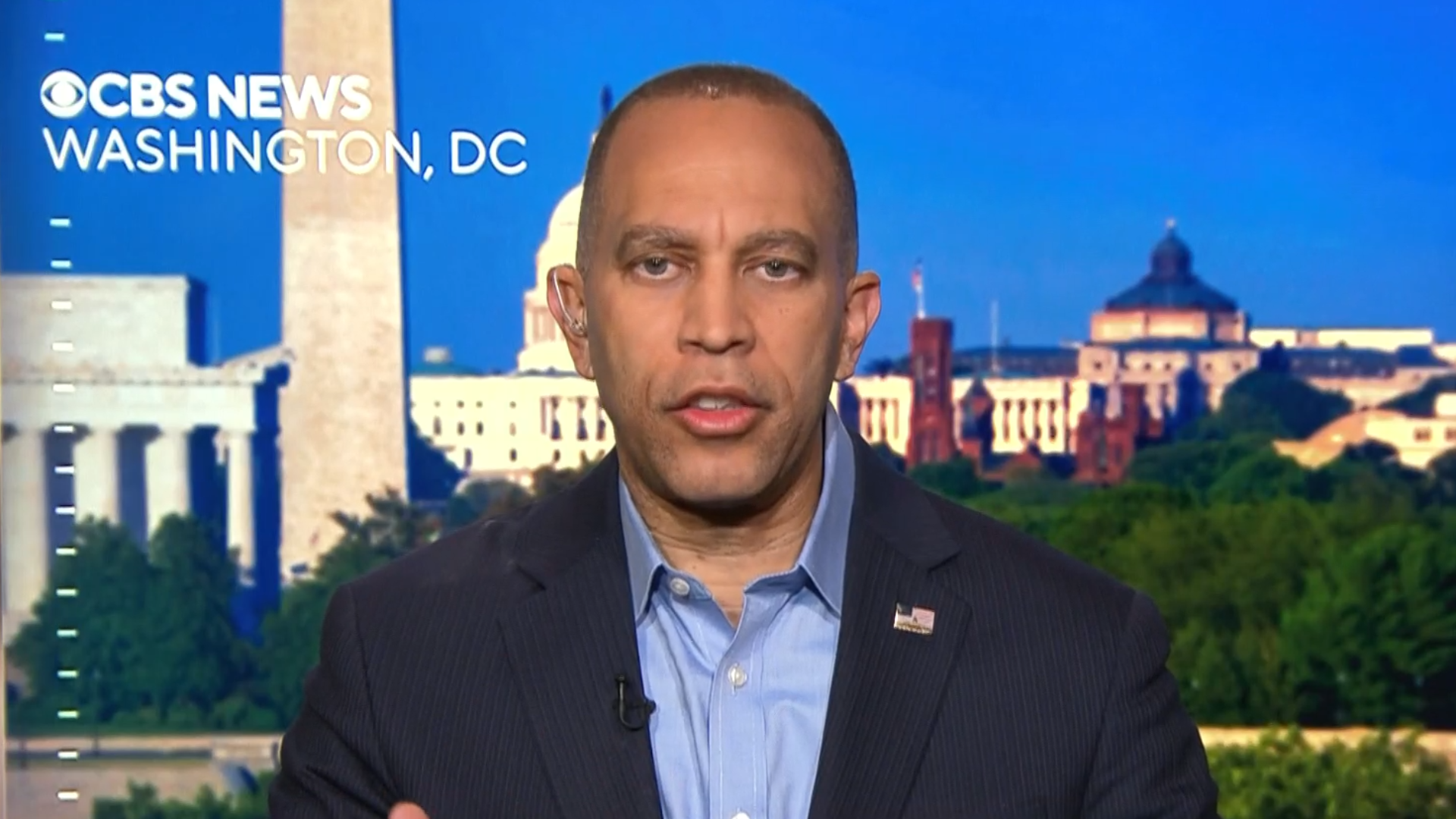
House Minority Leader Hakeem Jeffries took the floor of the House floor on Tuesday, outlining a two‑pronged agenda that pairs aggressive action on rising living costs with a renewed commitment to root out governmental graft. He positioned the Democratic caucus as the primary engine for accountability, emphasizing that the party will not shy away from confronting entrenched interests that have historically evaded scrutiny.
The remarks came during a closed‑door briefing in Washington, D.C., attended by senior committee chairs, policy advisers, and a contingent of consumer‑advocacy groups. Jeffries highlighted that the current economic climate—marked by stubborn inflation, soaring rent, and escalating healthcare expenses—demands immediate legislative remedies, while also noting that recent scandals involving procurement fraud have eroded public trust.
In his concluding statement, Jeffries asserted that Democrats will pursue “relentless” oversight, promising to launch a task force within the House Oversight Committee to audit federal spending and to sponsor a suite of bills targeting price gouging in essential sectors. The announcement elicited cautious optimism from progressive lawmakers and a defensive response from Republican leaders, who warned against politicizing oversight functions.
In-Depth Analysis & Key Details
The Democratic push reflects a historical pattern where opposition parties leverage economic distress to gain political traction, echoing the 2008 financial crisis era when consumer‑price concerns dominated the legislative agenda. By coupling affordability measures with anti‑corruption initiatives, the party seeks to address both the material and ethical dimensions of voter discontent, a strategy that could recalibrate the partisan balance in forthcoming elections.
Regulatory experts note that the proposed anti‑corruption framework could intersect with existing statutes such as the Federal Acquisition Regulation and the Anti‑Deficiency Act, potentially prompting a cascade of compliance reviews across federal agencies. Simultaneously, the affordability proposals—ranging from capping insulin costs to expanding affordable housing tax credits—must navigate a complex web of lobbying pressures from pharmaceutical firms, real‑estate developers, and insurance conglomerates, all of whom have historically wielded significant influence over congressional deliberations.
Political scientists warn that while the dual agenda may resonate with a broad swath of the electorate, its success hinges on the Democrats' ability to translate rhetoric into actionable policy. Past attempts to curb drug prices, for instance, have faltered due to legal challenges and industry pushback. Conversely, successful anti‑corruption prosecutions could bolster the party’s credibility, reinforcing the narrative that ethical governance is attainable when backed by robust investigative mechanisms.
"We cannot separate the fight against soaring costs from the fight against the corruption that inflates them; both battles must be won together if we are to restore faith in our institutions."
Why This Matters & What Lies Ahead
For everyday Americans, the convergence of price‑control legislation and heightened oversight promises tangible relief—from lower out‑of‑pocket medical expenses to more affordable rental markets—potentially easing the financial strain that has driven many households into debt. Moreover, a credible anti‑corruption drive could deter future misuse of taxpayer dollars, ensuring that public funds are allocated more efficiently and equitably.
Stakeholders should monitor the upcoming House Judiciary Committee hearing slated for early December, where Jeffries’ proposed task force will be scrutinized, as well as the Senate’s anticipated vote on the Affordable Medicines Act in March. The outcomes of these legislative milestones will signal whether the Democratic agenda can overcome entrenched opposition and deliver measurable benefits to constituents ahead of the 2026 midterm elections.
Source: Reported by CBS News · Analyzed & Synthesized by DNB Newsroom