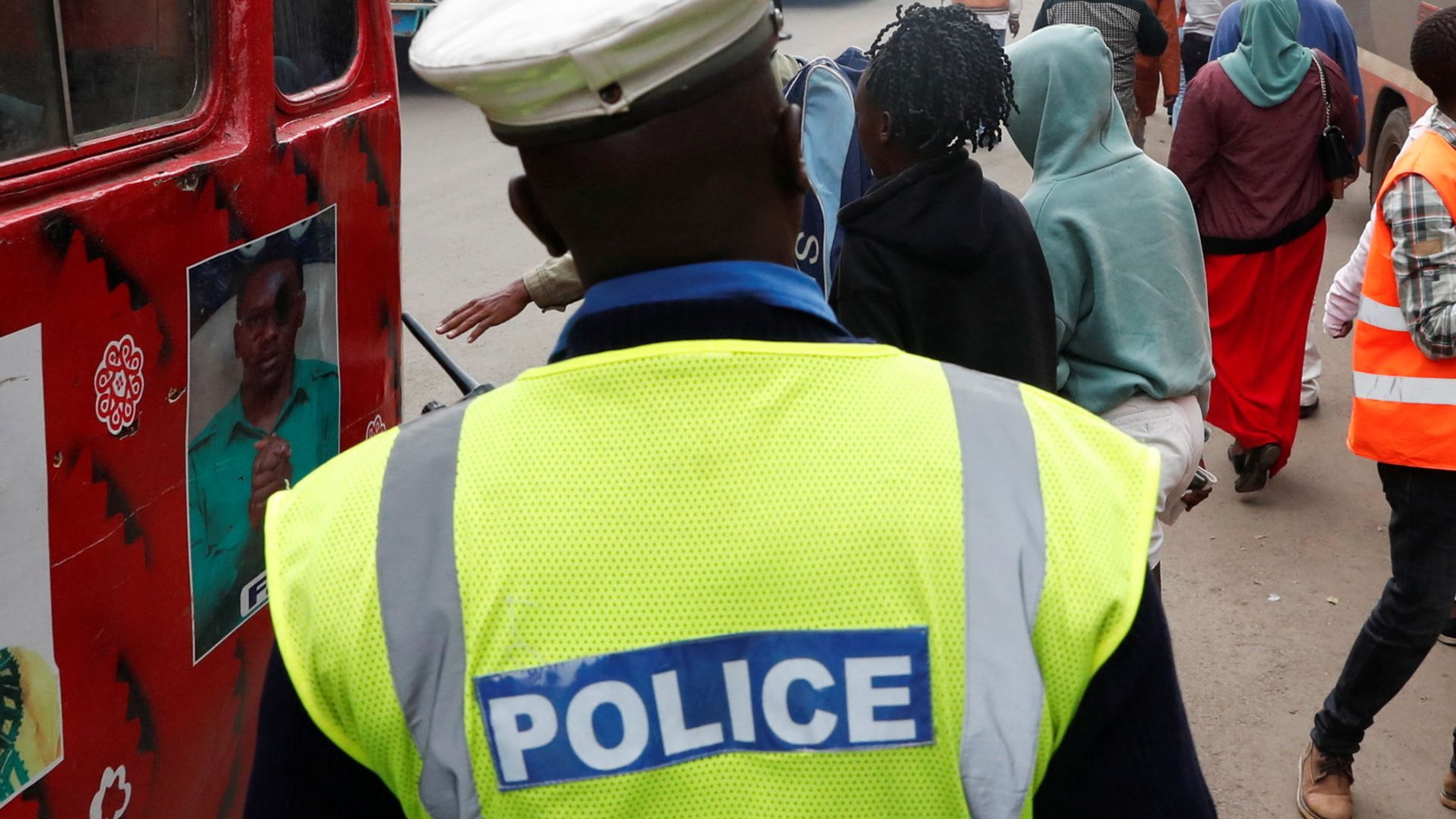
Police officials confirmed that a passenger bus carrying mourners collided head‑on with a heavy‑goods lorry late Tuesday afternoon on the Nairobi‑Mombasa corridor. Emergency responders arrived to find the bus mangled and the lorry overturned, with rescuers pulling dozens of victims from the wreckage; 22 were pronounced dead at the scene while several others sustained serious injuries and were rushed to nearby hospitals. Witnesses said the bus was returning from a funeral service in the coastal town of Malindi when the two vehicles, traveling in opposite directions, slammed into each other under foggy conditions, leaving little time for either driver to react.
In-Depth Analysis & Key Details
Kenya’s road network has long struggled with a combination of aging infrastructure, inadequate enforcement of traffic laws, and a high prevalence of overloaded vehicles. The fatal crash highlights how these systemic weaknesses can converge in a single, catastrophic event. Recent data from the Kenya National Bureau of Statistics shows that traffic collisions account for over 5,000 deaths annually, with a disproportionate share involving public transport vehicles that often operate beyond capacity and with limited oversight.
The victims' profile—primarily mourners traveling after a funeral—adds a cultural dimension to the tragedy, as communal gatherings and associated travel are integral to Kenyan social life. Experts point out that the timing of the crash, during peak post‑funeral travel, may have contributed to the high casualty count. Moreover, the involvement of a lorry suggests possible issues with commercial driver fatigue, as long‑haul routes frequently demand extended hours behind the wheel without sufficient rest periods, a problem that regulators have struggled to curb despite recent legislative attempts.
Why This Matters & What Lies Ahead
The loss of 22 lives will reverberate through the affected communities, prompting families to demand accountability and better safety measures. In the coming weeks, the Kenyan Transport Ministry is expected to launch a formal inquiry, which could lead to stricter licensing checks, mandatory vehicle inspections, and revised hours‑of‑service rules for commercial drivers. For commuters and logistics firms, the incident serves as a stark reminder of the urgent need to prioritize road safety investments, potentially reshaping how passenger and freight transport operate on the nation’s busiest corridors.

