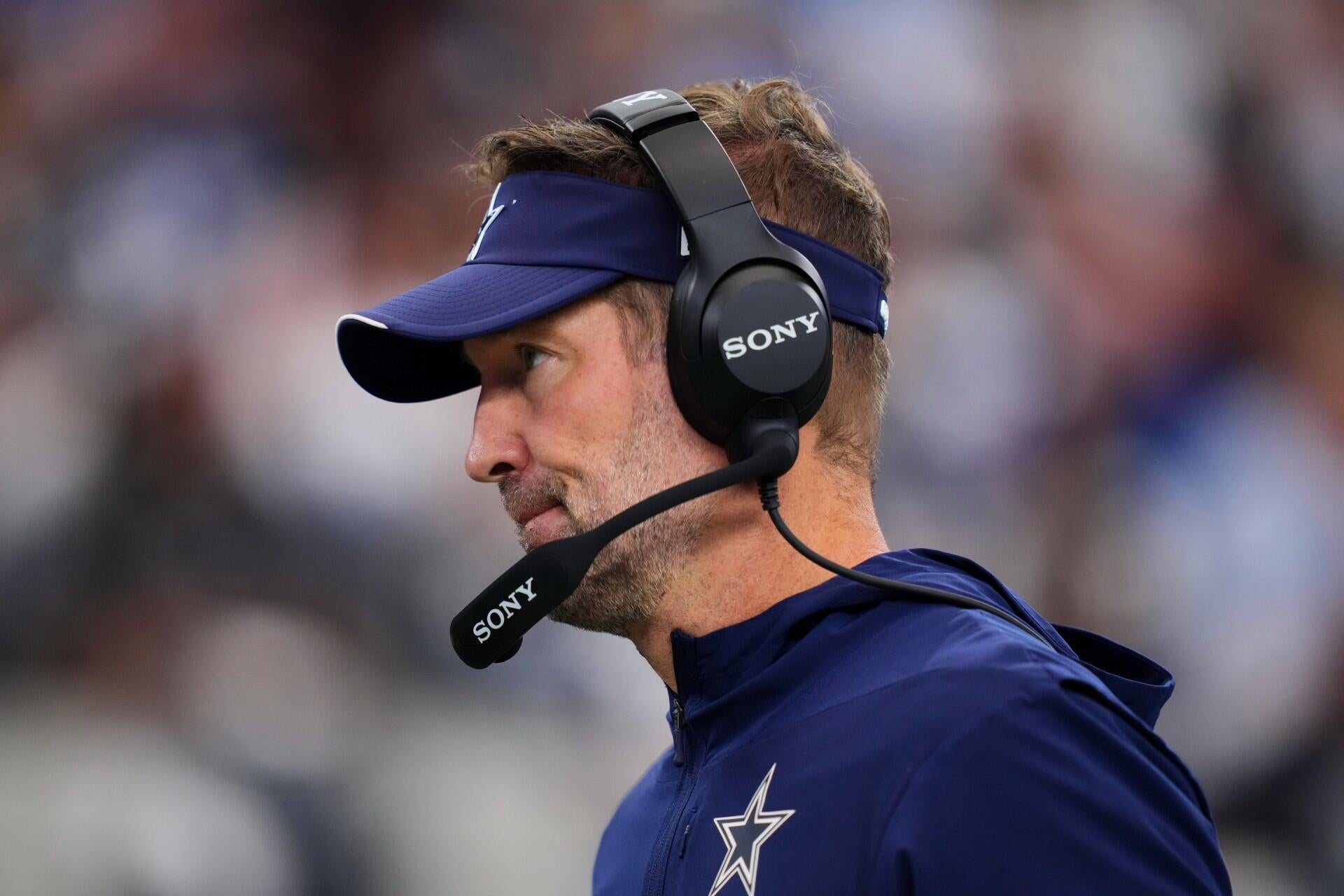
CBS Sports unveiled its comprehensive Week 8 grading matrix on Sunday, assigning each of the 32 NFL franchises a letter grade based on execution, statistical output, and situational performance. The Dallas Cowboys, once a perennial playoff contender, were handed an F after a heart‑stopping defeat to the New York Giants that saw them surrender a 24‑10 lead in the final period. Conversely, the Pittsburgh Steelers climbed to the top of the leaderboard with an A+, reflecting a flawless game plan that neutralized the Baltimore Ravens’ offense.
The assessments were compiled by a panel of veteran analysts who weighed metrics such as third‑down conversion rates, turnover margin, and red‑zone efficiency. Dallas’ grade reflects a 2.3 % third‑down conversion rate and a negative turnover differential, while Pittsburgh posted a 71 % third‑down success rate and forced five turnovers. The grades were released alongside a detailed breakdown of each team’s statistical profile, offering fans and insiders a data‑driven snapshot of the league’s evolving hierarchy.
In response, Cowboys head coach Mike McCarthy acknowledged the “unacceptable” performance, promising adjustments to the offensive scheme and emphasizing accountability among veterans. Steelers’ head coach Mike Tomlin praised his unit’s “relentless execution” and hinted at maintaining the aggressive play‑calling that propelled the team to its top grade. Both franchises are now under heightened scrutiny as the next two weeks feature pivotal divisional matchups that could redefine postseason trajectories.
In-Depth Analysis & Key Details
The grading system traces its roots to early‑season power rankings, but this year CBS introduced a more granular rubric that incorporates advanced analytics such as Expected Points Added (EPA) and win probability swings. Historically, teams that receive low grades early in the season often experience coaching changes or roster overhauls, a pattern evident in the Cowboys’ recent turnover of key offensive personnel. In contrast, the Steelers’ ascent mirrors their 2020 resurgence, when a similar analytical approach highlighted the effectiveness of a run‑heavy offense under a revamped offensive line.
Critics argue that the grades oversimplify complex game dynamics, pointing to injuries, weather conditions, and schedule strength as variables that can distort raw numbers. Proponents counter that the transparent methodology provides fans with a consistent benchmark, while also pressuring front offices to address glaring deficiencies. Economically, high grades can boost a team’s merchandise sales and local advertising revenue, whereas low grades may trigger ticket‑price discounts and sponsor renegotiations.
Expert voices from the Sports Analytics Institute note that the integration of machine‑learning models into grading could soon predict not only weekly outcomes but also long‑term franchise health. They caution, however, that overreliance on data may marginalize intangible factors like locker‑room chemistry and leadership, which remain pivotal in high‑stakes environments.
"A single misstep in the fourth quarter can turn a promising season into a cautionary tale, and the Cowboys’ F grade is a stark reminder of how quickly fortunes can reverse."
Why This Matters & What Lies Ahead
For everyday fans, the grades translate into tangible expectations: a low score often fuels ticket‑sale promotions, while a high score can spark a surge in viewership and local business activity on game days. The Cowboys’ poor rating may depress attendance at their upcoming home fixtures, prompting the organization to consider pricing incentives or fan‑experience upgrades to retain loyalty. Meanwhile, Pittsburgh’s A+ could amplify stadium demand, attract premium sponsorships, and bolster the city’s economic ripple effects tied to game‑day commerce.
Looking ahead, the NFL’s Competition Committee is slated to review the grading criteria during its July meeting, with potential adjustments that could affect future evaluations. Additionally, the league’s upcoming collective bargaining negotiations may incorporate performance‑based incentives linked to such analytical grades, making the current Week 8 results a bellwether for both on‑field strategy and off‑field labor dynamics.
Source: Reported by CBS Sports · Analyzed & Synthesized by DNB Newsroom

