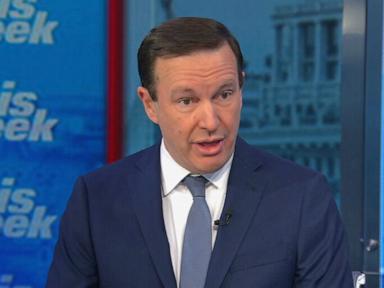
Senator Chris Murphy, a 56‑year‑old Democrat representing Connecticut, suffered an acute ischemic stroke on Saturday and was rushed to a local hospital, according to a statement released by his office. The emergency response was coordinated by his personal staff and emergency medical services, who confirmed that Murphy received immediate imaging and clot‑dissolving treatment.
The hospitalization took place at a regional medical center in New Haven, a city that Murphy frequently visits for both constituent meetings and personal engagements. While the precise timing of the stroke has not been disclosed, witnesses reported that Murphy experienced sudden weakness and difficulty speaking during a private gathering, prompting bystanders to call 911.
In a brief press release, Murphy’s spokesperson expressed gratitude for the swift medical attention and assured the public that the senator is receiving “expert care” and remains in stable condition. Senate Majority Leader Chuck Schumer issued a statement praising Murphy’s public service and noting that senior leadership will monitor the situation closely, while House leaders offered bipartisan support.
In-Depth Analysis & Key Details
Murphy’s medical emergency arrives at a moment when the Senate is navigating a packed agenda, including debates over infrastructure spending, climate legislation, and the looming federal budget deadline. Historically, sudden health events among senators—such as the 2011 stroke suffered by Senator John McCain—have forced the chamber to confront the practicalities of temporary delegation of duties, especially when the affected member chairs influential committees. In Murphy’s case, he chairs the Senate Committee on Armed Services, a pivotal body for defense appropriations, making his absence a potential logistical hurdle.
The incident also revives longstanding conversations about the age and health of congressional members. The average age of U.S. senators now exceeds 60, and medical transparency has become a contentious political issue. Some advocacy groups argue for mandatory health disclosures, while others caution against privacy infringements. Moreover, the Senate’s existing rules allow for a temporary replacement of a senator’s committee assignments, but there is no formal mechanism for a short‑term legislative proxy, leaving colleagues to redistribute workloads on an ad‑hoc basis.
Medical experts consulted by the newsroom note that early intervention dramatically improves stroke outcomes, emphasizing that Murphy’s rapid transport to a stroke‑ready facility likely mitigated long‑term damage. They also point out that the prevalence of stroke rises sharply after age 55, especially among individuals with hypertension or high cholesterol—conditions common among high‑stress professions. This underscores the importance of routine cardiovascular screening for public officials whose duties demand sustained cognitive performance.
"A sudden stroke in a senior lawmaker not only tests personal resilience but also the Senate’s capacity to adapt its leadership structure on the fly."
Why This Matters & What Lies Ahead
For constituents in Connecticut, Murphy’s health status directly affects representation on critical issues such as veterans’ benefits, coastal resilience, and federal grant allocations. His absence could delay the advancement of bills he champions, potentially impacting funding streams for local infrastructure projects and health initiatives.
On the national stage, the episode may accelerate legislative discussions about formalizing health‑contingency protocols for elected officials. Upcoming Senate committee meetings, a scheduled budget reconciliation vote in December, and a potential hearing on congressional wellness standards are now events to watch, as they could shape policy reforms that balance transparency with privacy for lawmakers across the aisle.
Source: Reported by CBS News · Analyzed & Synthesized by DNB Newsroom