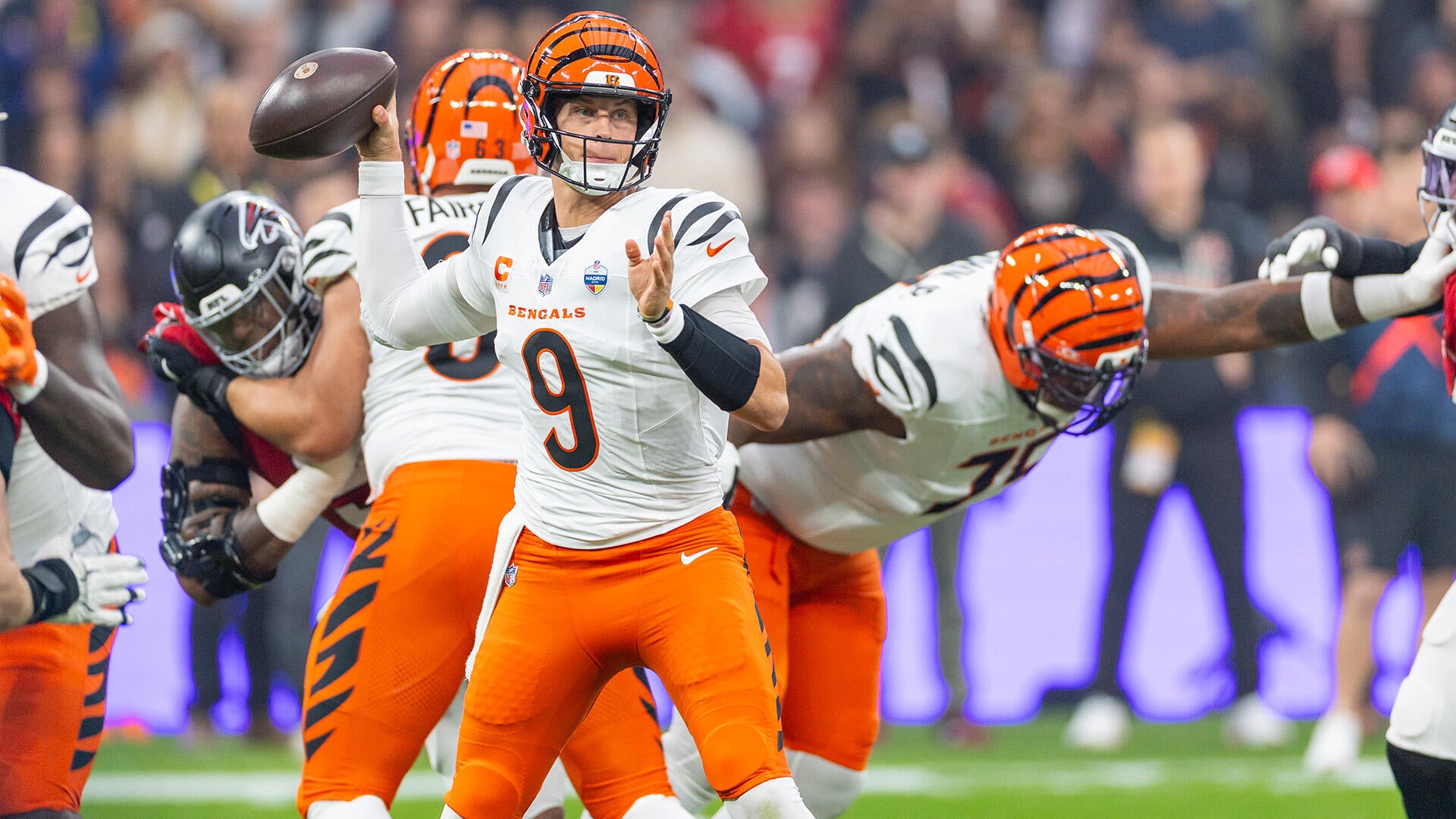
The Washington Commanders and Cincinnati Bengals have concluded the final administrative steps required for their Monday Night Football encounter, officially submitting their inactive lists to the league. This procedural milestone marks the transition from preparation to execution, locking in the twenty players who will be eligible to suit up for the contest. The release of these lists provides the first concrete indication of how each coaching staff intends to approach the game, particularly regarding the deployment of key players who may be managing minor ailments or who are strategically benched for tactical reasons.
The operational context of these decisions is rooted in the high-pressure environment of the NFL’s mid-season schedule. As the calendar advances to Week 11, the margin for error narrows, and the physical toll of the season becomes increasingly apparent. For both Washington and Cincinnati, the selection of inactive players is not merely an administrative formality but a strategic declaration of intent. It reveals which units are fully operational and which may require substitute depth, offering fans and analysts a transparent view of the teams' current physical and tactical standing.
While the specific names on the inactive lists are the primary focus of immediate fan interest, the broader implication lies in the stability of the rosters. The absence of major star players from the inactive lists would signal a healthy squad, whereas the inclusion of key contributors would suggest a more cautious approach to player management. The coaching staffs of both teams have thus set the stage for a contest that will be as much about resilience and adaptation as it is about raw talent and scheme execution.
In-Depth Analysis & Key Details
The decision-making process behind inactive lists is a complex interplay of medical clearance, tactical necessity, and long-term player health management. Historically, NFL teams have used the inactive list as a tool to manage workload and mitigate the risk of serious injury, particularly for players who are not essential to the immediate game plan or who are returning from minor setbacks. This practice reflects the league's evolving approach to player safety and the economic value of maintaining a healthy roster over the course of a grueling 17-game season.
From a competitive standpoint, the inactive lists serve as a preview of the game’s potential dynamics. If a team lacks depth at a critical position, such as offensive line or secondary, the opposing team may exploit this vulnerability. Conversely, a team with a deep and healthy roster may choose to rest key players, signaling confidence in their bench strength. This strategic layer adds a dimension of psychological warfare to the pre-game preparations, as each team attempts to gauge the other’s vulnerabilities and strengths.
The broader industry context includes the increasing scrutiny on player health and the financial implications of injuries. With player contracts often including performance bonuses and injury protections, teams are incentivized to manage their rosters carefully. The inactive list, therefore, is not just a list of absent players but a reflection of the team’s overall health and strategic priorities. It provides a window into the internal dynamics of the organization, including the trust between coaches and players, and the effectiveness of the medical staff in managing the physical demands of the sport.
"The inactive list is the first honest mirror a team holds up to itself, revealing not just who is missing, but who is truly available to win."
Why This Matters & What Lies Ahead
For fans and followers of the NFL, the inactive lists provide a crucial piece of the puzzle in understanding the upcoming game. They offer insight into the teams’ current form and potential weaknesses, allowing for a more informed viewing experience. For the broader sports industry, these lists highlight the ongoing tension between competitive integrity and player welfare, a debate that continues to shape league policies and team management strategies.
Looking ahead, the outcome of this Monday Night game will have significant implications for both teams’ season trajectories. A win could bolster morale and solidify playoff hopes, while a loss could lead to a re-evaluation of coaching strategies and roster management. The coming weeks will be critical for both the Commanders and Bengals, as they navigate the final stretch of the regular season with the knowledge that every decision, including who is active and who is inactive, can have lasting consequences.
Source: Reported by Yahoo Sports · Analyzed & Synthesized by DNB Newsroom