University admissions teams across the United States are abandoning the guarded, competitive model that has long defined the college‑seeking journey, replacing it with outreach that feels more like a partnership than a contest. The pivot comes as demographic shifts and rising tuition costs have left many schools with markedly fewer high‑school graduates to recruit, prompting a strategic reassessment of how to attract and retain talent.
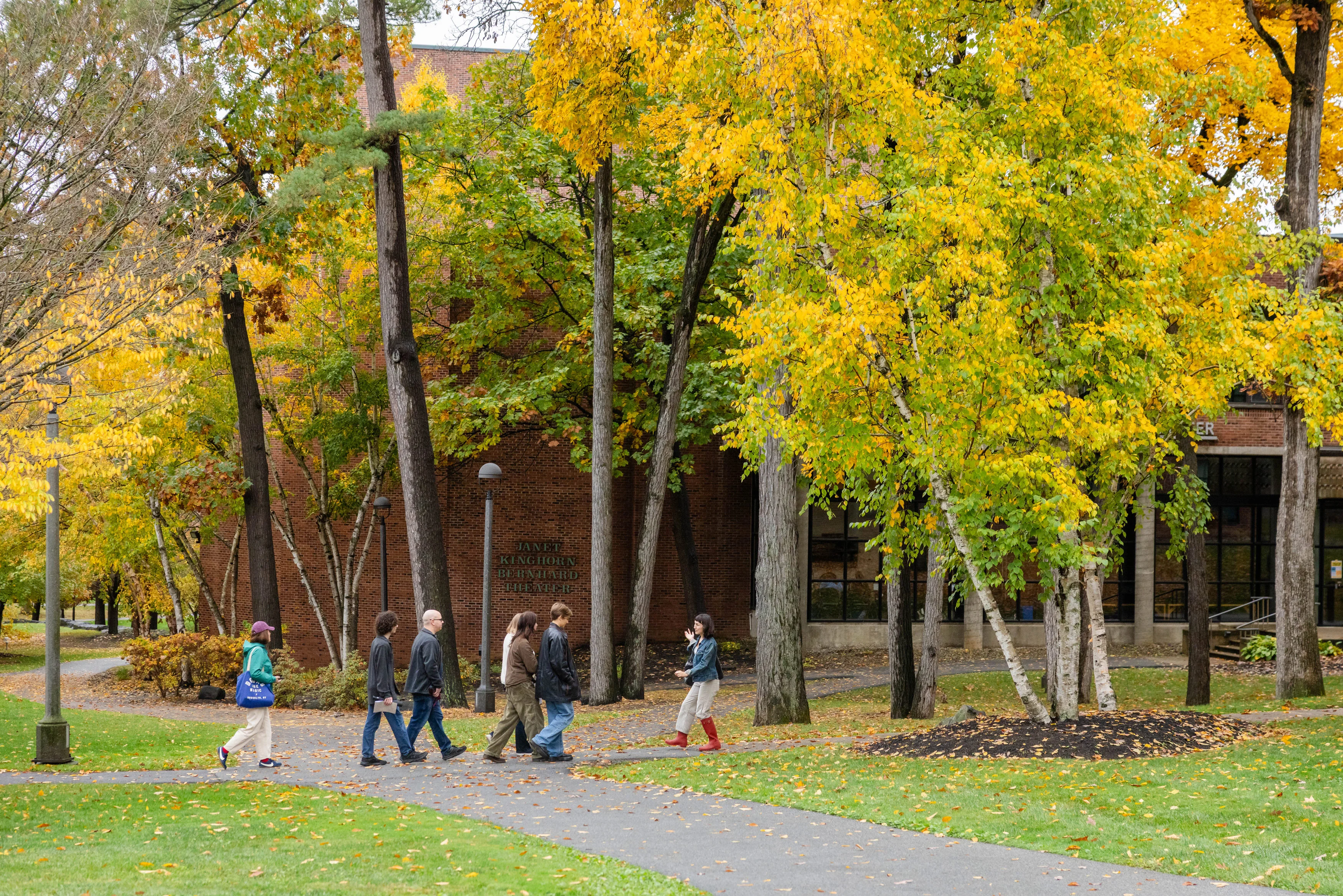
At flagship public institutions such as the University of Michigan and private liberal arts colleges like Amherst, admissions officers have launched streamlined online portals, real‑time chat support, and community‑based recruiting tours that emphasize accessibility and personal connection. These efforts are concentrated in regions experiencing the steepest enrollment declines, including the Midwest and parts of the South, where high school graduation rates have slipped below historic averages.
Officials from the U.S. Department of Education and the College Board have praised the move, citing early data that suggests prospective students feel less intimidated and more informed about financial aid options. Critics, however, warn that a softer admissions front could mask underlying budget shortfalls and mask the need for deeper policy reforms.
In-Depth Analysis & Key Details
The current transformation traces its roots to the post‑World War II expansion of higher education, when institutions leveraged scarcity to build prestige through selective admissions. Over the past two decades, demographic stagnation, the COVID‑19 pandemic’s disruption of testing regimes, and mounting student‑debt concerns have eroded that model, forcing colleges to confront a supply‑demand imbalance.
Regulators and policymakers are now debating whether the shift toward openness aligns with federal equity goals outlined in the Higher Education Act. Some state legislatures are proposing incentives for schools that demonstrate transparent recruitment practices, while industry groups argue that overly aggressive marketing could dilute academic standards and trigger a race‑to‑the‑bottom in tuition pricing.
Experts from the Brookings Institution emphasize that technology plays a dual role: sophisticated data analytics enable institutions to target under‑represented demographics more precisely, yet they also raise privacy questions. The balance between personalized outreach and the protection of applicant data will likely shape future regulatory frameworks.
"We are moving from a gate‑keeping mindset to a partnership model, because the future of higher education depends on inviting students in, not keeping them out."
Why This Matters & What Lies Ahead
For families navigating the college decision, a more welcoming admissions process reduces stress and can demystify financial aid, potentially widening access for low‑income and first‑generation students. The shift also influences secondary‑market dynamics, as high schools adjust counseling resources to align with colleges' new outreach strategies.
Upcoming milestones include the Department of Education’s quarterly report on enrollment trends due in March 2025, a Senate hearing on college affordability slated for June 2025, and a pilot program by the National Association for College Admission Counseling to standardize virtual campus tours by the end of the year. These events will test whether the friendlier admissions model can sustain institutional finances while delivering on promises of greater equity.
Source: Reported by NPR · Analyzed & Synthesized by DNB Newsroom