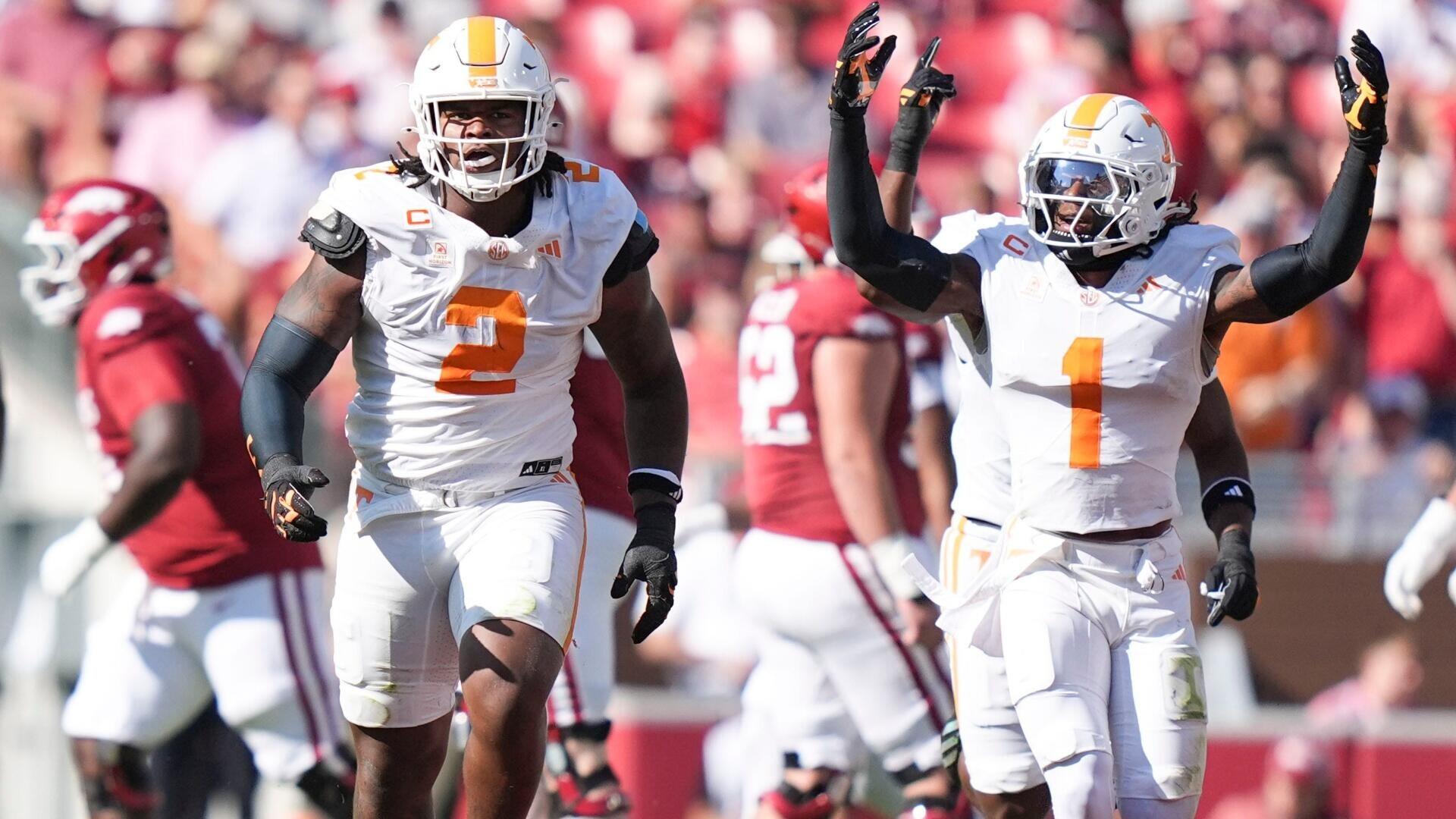
The college football season reaches its climactic regular-season finale this Saturday, as dozens of institutions take the field in a synchronized push to secure favorable bowl placements and playoff rankings. The weekend’s schedule is particularly dense, with the rivalry game between the University of Michigan and Ohio State University commanding the most national attention. This matchup, historically one of the most contested in the sport, serves as the centerpiece for broadcast networks and streaming services alike, driving significant traffic to digital platforms that hold the rights to these specific conferences.
Geographically and operationally, the weekend spans multiple time zones and venues, requiring fans to navigate a complex matrix of broadcast channels and streaming apps. For households without traditional cable packages, services such as Sling have become essential tools for accessing live content. The platform’s lineup includes the necessary networks to cover the majority of Saturday’s games, allowing subscribers to track the outcomes of key conference clashes that will determine the remainder of the season’s narrative.
Official communications from streaming providers emphasize the accessibility of this weekend’s slate, highlighting the ease of switching between channels and the availability of on-demand replays for those who miss live broadcasts. Industry observers note that the final week of the regular season is a critical period for subscriber acquisition, as fans seek reliable ways to watch their teams compete in high-stakes environments. The convergence of rivalry games and conference title contenders creates a unique window for platforms to demonstrate the value of their sports portfolios.
In-Depth Analysis & Key Details
The current landscape of college football broadcasting is defined by a significant shift from linear television to digital-first consumption. Historically, the final week of the regular season was dominated by network television, but the proliferation of streaming services has fragmented this model. Institutional rights holders have increasingly allocated games to digital platforms, recognizing the growing demographic of cord-cutters who prefer on-demand and live-streaming options. This structural change has forced traditional broadcasters to adapt, often bundling their content with streaming partners to maintain relevance.
Competing perspectives within the industry reveal a tension between maximizing viewership and preserving the integrity of the broadcast experience. While streaming services offer flexibility and targeted advertising, critics argue that the fragmentation of games across multiple platforms can dilute the communal viewing experience that has long defined college football. Economic consequences are evident in the rising costs of rights fees, which continue to outpace revenue growth for many mid-tier conferences. This financial pressure is exacerbating the divide between power conferences and smaller institutions, as the latter struggle to secure lucrative broadcast deals.
Expert domain context suggests that the final week of the regular season serves as a litmus test for the efficacy of these new distribution models. Analysts observe that the ability to seamlessly switch between games and access real-time statistics is becoming a baseline expectation for modern fans. The technical intricacies of delivering high-quality video streams to millions of concurrent users during peak hours pose significant challenges for streaming infrastructure. As the industry evolves, the focus is shifting from simply owning rights to providing a superior user experience that can retain subscribers throughout the postseason.
"The final week of college football is no longer just about the games; it is a strategic battleground for digital platforms to prove their worth in an era of fragmented sports consumption."
Why This Matters & What Lies Ahead
For everyday consumers, the shift toward streaming for major college football events represents a fundamental change in how sports are accessed and experienced. The ability to watch high-stakes games like Michigan vs. Ohio State on a platform like Sling offers greater flexibility and potentially lower costs compared to traditional cable packages. However, this convenience comes with the complexity of managing multiple subscriptions and ensuring reliable internet connectivity. Fans must now be more proactive in understanding which platforms hold the rights to their teams’ games, a task that was previously handled by a single cable provider.
Looking ahead, the implications of this weekend’s broadcast strategy will influence future rights negotiations and the structure of college football’s postseason. Regulatory bodies and industry stakeholders are closely monitoring the impact of streaming exclusivity on fan access and market competition. Upcoming milestones include the release of the College Football Playoff selection committee’s rankings and the finalization of bowl game matchups, which will further dictate which platforms capture the most attention. As the season progresses, the balance of power between traditional broadcasters and digital services will continue to evolve, with significant consequences for the future of sports media.
Source: Reported by Yahoo Sports · Analyzed & Synthesized by DNB Newsroom