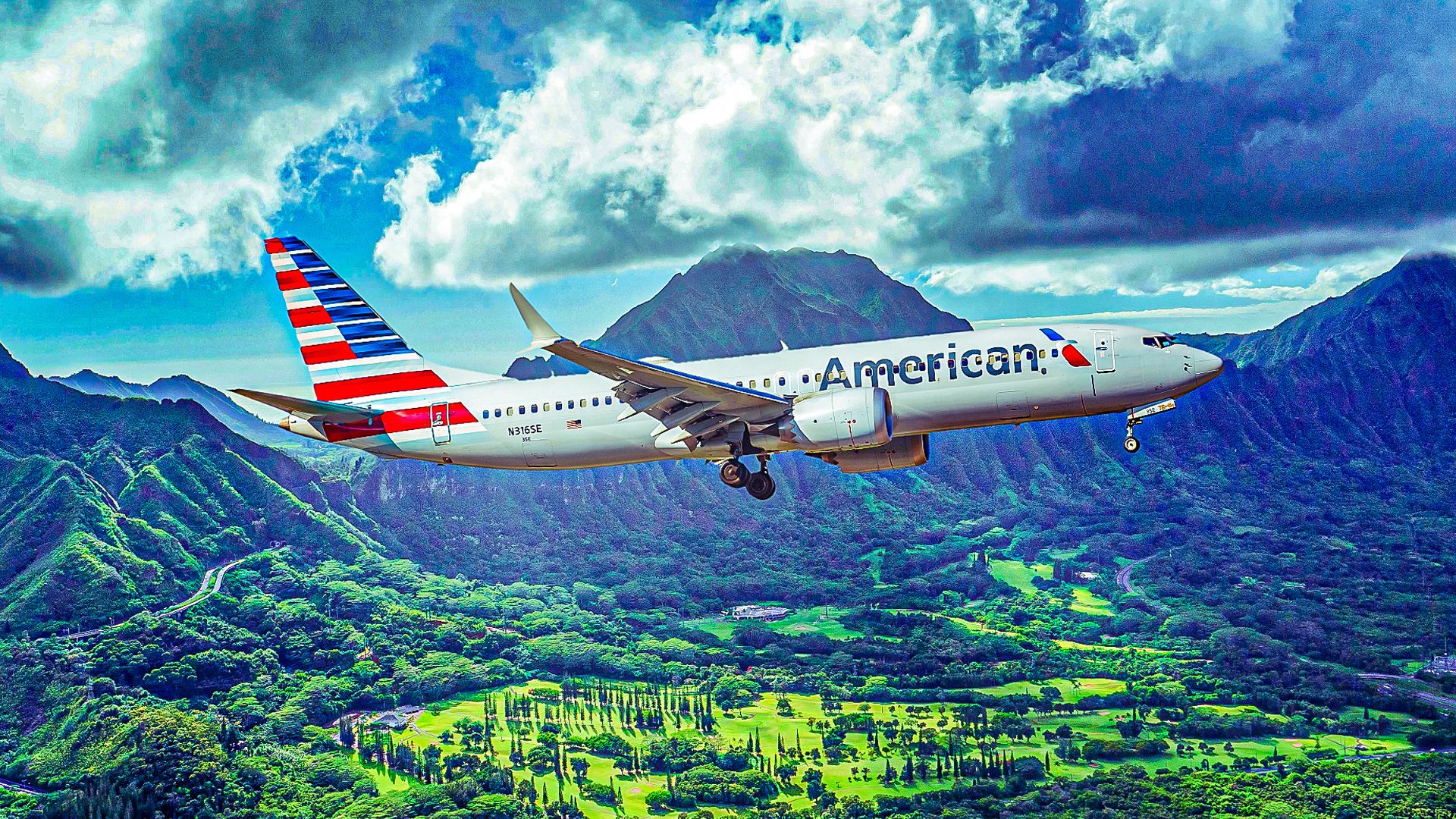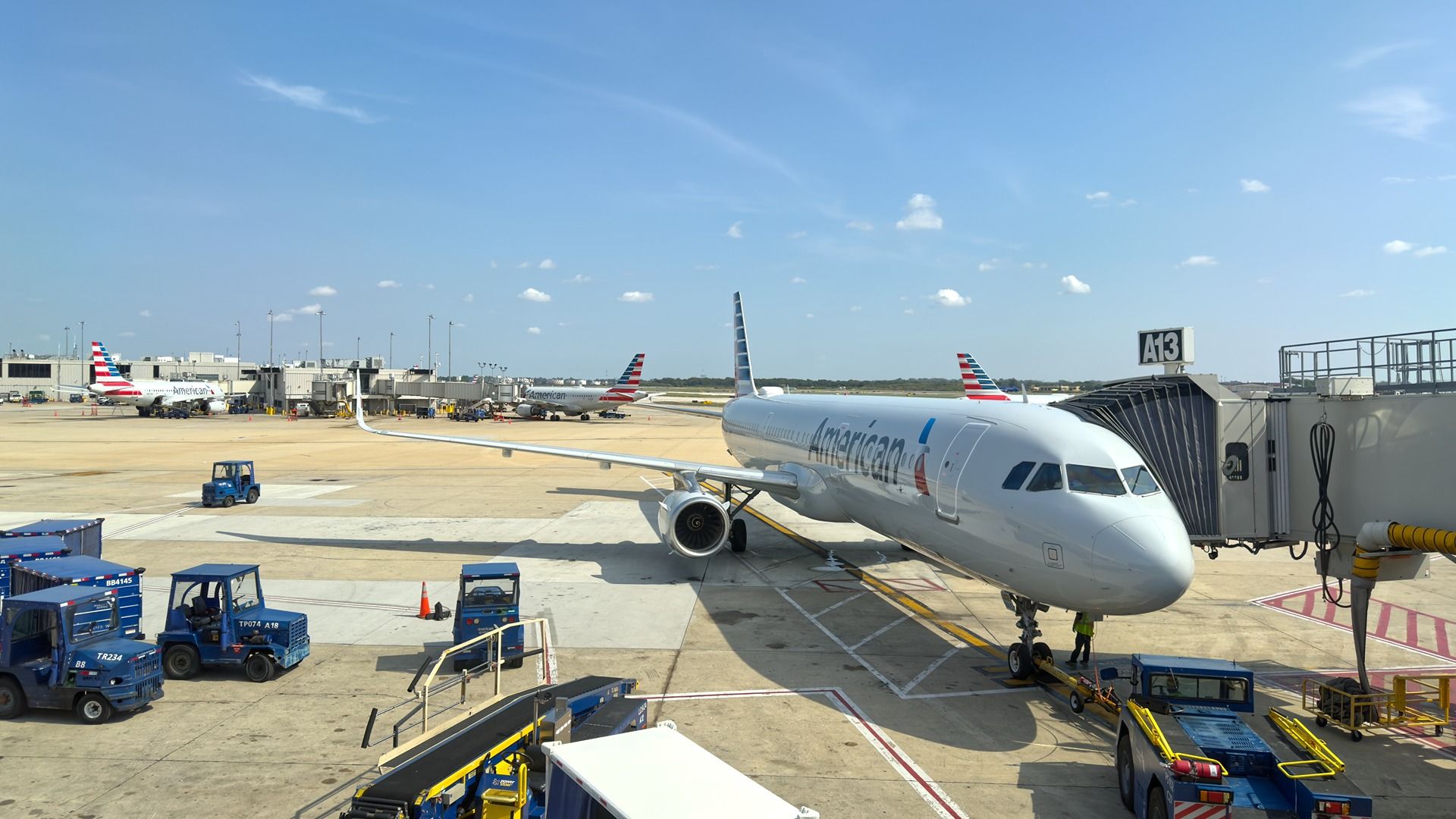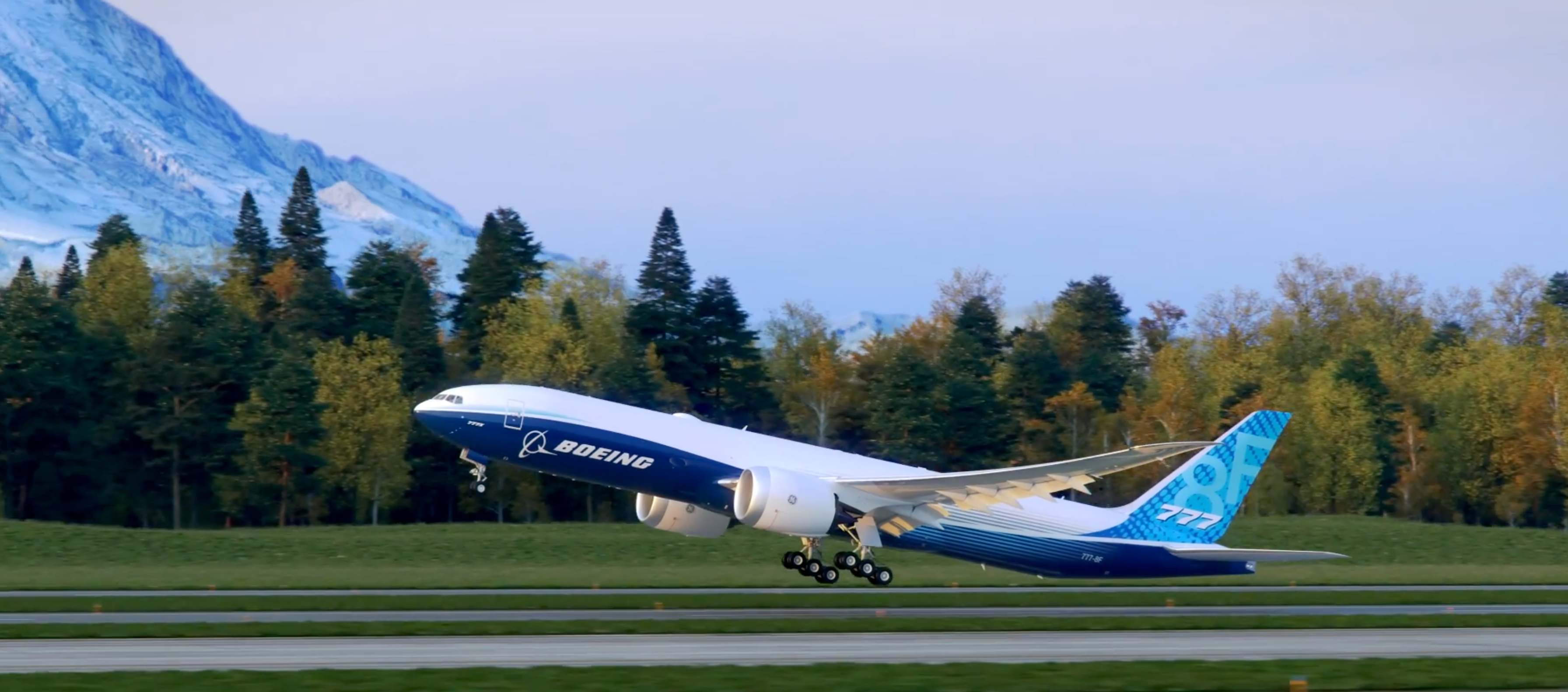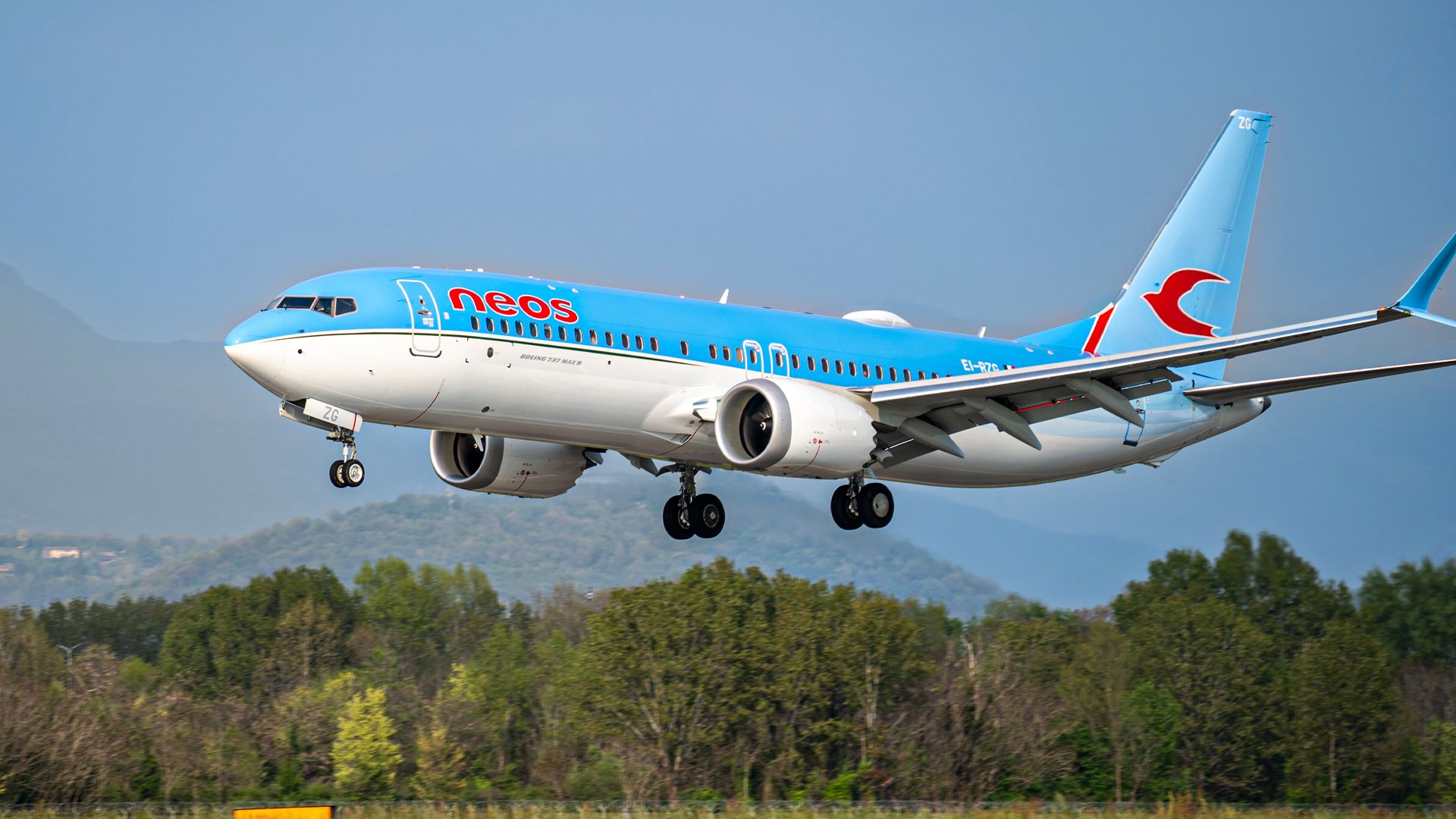
In a detailed breakdown of operational realities, veteran pilots and aviation educators have identified seven specific cockpit and aerodynamic features that make the Boeing 737 a uniquely challenging and rewarding platform to command. Contrary to the popular perception that all narrow-body jets are interchangeable, these experts argue that the 737’s lineage from the 1960s has embedded mechanical and aerodynamic quirks that persist through every modern iteration, from the -600 to the MAX 9. The primary distinction lies in the aircraft’s fundamental geometry: the engines are mounted low on the wings to facilitate short takeoff and landing (STOL) capabilities, a design choice that creates a significant nose-up pitching moment during takeoff that must be carefully counteracted by the pilot.
This operational context is not merely theoretical; it manifests in daily flight operations across major hubs like Chicago O’Hare, Amsterdam Schiphol, and Singapore Changi. Pilots report that the 737’s response to stick inputs and throttle changes is more immediate and less buffered than its competitors, requiring a heightened awareness of energy state management. For instance, the auto-throttle system’s behavior during go-arounds and approach phases is often described as more 'aggressive' by those transitioning from other airframes, necessitating a different mental model for speed control. Furthermore, the aircraft’s stall warning system, which relies on a specific angle-of-attack vane, triggers at a higher angle than many competitors, pushing the aircraft closer to the edge of the flight envelope before intervention.
Industry leaders and flight simulation centers have acknowledged these differences, noting that type-rating training for the 737 focuses heavily on manual handling skills and system awareness rather than system reliance. Captains from major carriers have stated that the 737 rewards pilots who understand its mechanical heritage, while penalizing those who treat it like a 'black box' computer. This distinction is becoming increasingly relevant as the industry debates the balance between automation and pilot authority, with the 737 serving as a prime example of an aircraft where human judgment remains the primary safety layer for many critical phases of flight.
In-Depth Analysis & Key Details
The unique handling characteristics of the Boeing 737 are a direct result of its evolutionary history. Originally designed in the late 1950s to replace turboprop aircraft on short routes, the 737 was constrained by existing airport infrastructure, particularly low approach paths and short runways. This led to the decision to mount the engines low and close to the fuselage, a configuration that has been retained through decades of redesign. While this design allowed for superior short-field performance, it introduced a permanent aerodynamic imbalance that requires constant pilot compensation. In contrast, competitors like the Airbus A320 family place engines higher and further outboard, resulting in a more neutral pitch behavior during takeoff and a more intuitive flight envelope for many pilots.
The debate over these design choices extends into the realm of regulatory philosophy and human factors engineering. Critics of the 737’s design argue that it places an excessive cognitive load on pilots, particularly during high-workload scenarios such as crosswind landings or engine failures. They contend that the aircraft’s systems, particularly the auto-throttle and flight director, do not always provide the most intuitive guidance, leading to potential for error. Proponents, however, argue that the 737’s design encourages a more engaged and knowledgeable pilot, one who understands the underlying aerodynamics rather than relying solely on automated safeguards. This perspective is supported by data showing that, when properly trained, 737 fleets have safety records comparable to or better than their competitors.
From a technical standpoint, the 737’s flight control system is a hybrid of mechanical and digital elements, a 'fly-by-wire' lite approach that differs from the full fly-by-wire systems of Airbus. This hybrid architecture means that while the aircraft has digital protections, it also retains mechanical linkages that can behave in non-linear ways. For example, the elevator and aileron systems have specific control surface geometries that affect roll and pitch coupling. Experts in flight dynamics note that these characteristics require pilots to develop a 'feel' for the aircraft, a tactile understanding that is difficult to quantify but essential for safe operation. This emphasis on tactile feedback and manual skill is a defining feature of the 737’s identity in the cockpit.
"The Boeing 737 is not just an airplane; it is a legacy of compromise, where every unique handling quirk is a testament to the engineering constraints of the 1960s that still define its character today."
Why This Matters & What Lies Ahead
For the average traveler, these technical nuances translate into a more consistent and potentially safer flying experience, provided that pilots are adequately trained and supported. The 737’s unique characteristics mean that airlines must invest heavily in recurrent training and simulation to ensure that pilots can manage the aircraft’s specific demands. This has implications for airline operating costs, as type-rating training for the 737 is often more intensive than for other narrow-body jets. For consumers, this means that the reliability and safety of their flights are underpinned by a rigorous training regime that acknowledges the aircraft’s complexity. Additionally, the 737’s widespread use means that any changes to its design or operational procedures have a global impact, affecting millions of passengers and thousands of crew members.
Looking ahead, the aviation industry is poised to face several key milestones that will test the 737’s legacy. The ongoing certification of the 737 MAX 7 and MAX 10 variants will require new flight test data to confirm that the unique handling characteristics are maintained or improved. Regulatory bodies such as the FAA and EASA will be closely monitoring these tests, with particular attention to the auto-throttle behavior and stall warning systems. Furthermore, the industry is debating the future of pilot training, with a growing emphasis on manual handling skills and system awareness. The 737’s role in this debate is central, as it serves as a benchmark for the balance between automation and human control. Upcoming hearings and industry conferences will likely focus on these issues, with the 737’s unique characteristics providing a concrete example of the challenges and opportunities in modern aviation.
Source: Reported by Simple Flying · Analyzed & Synthesized by DNB Newsroom