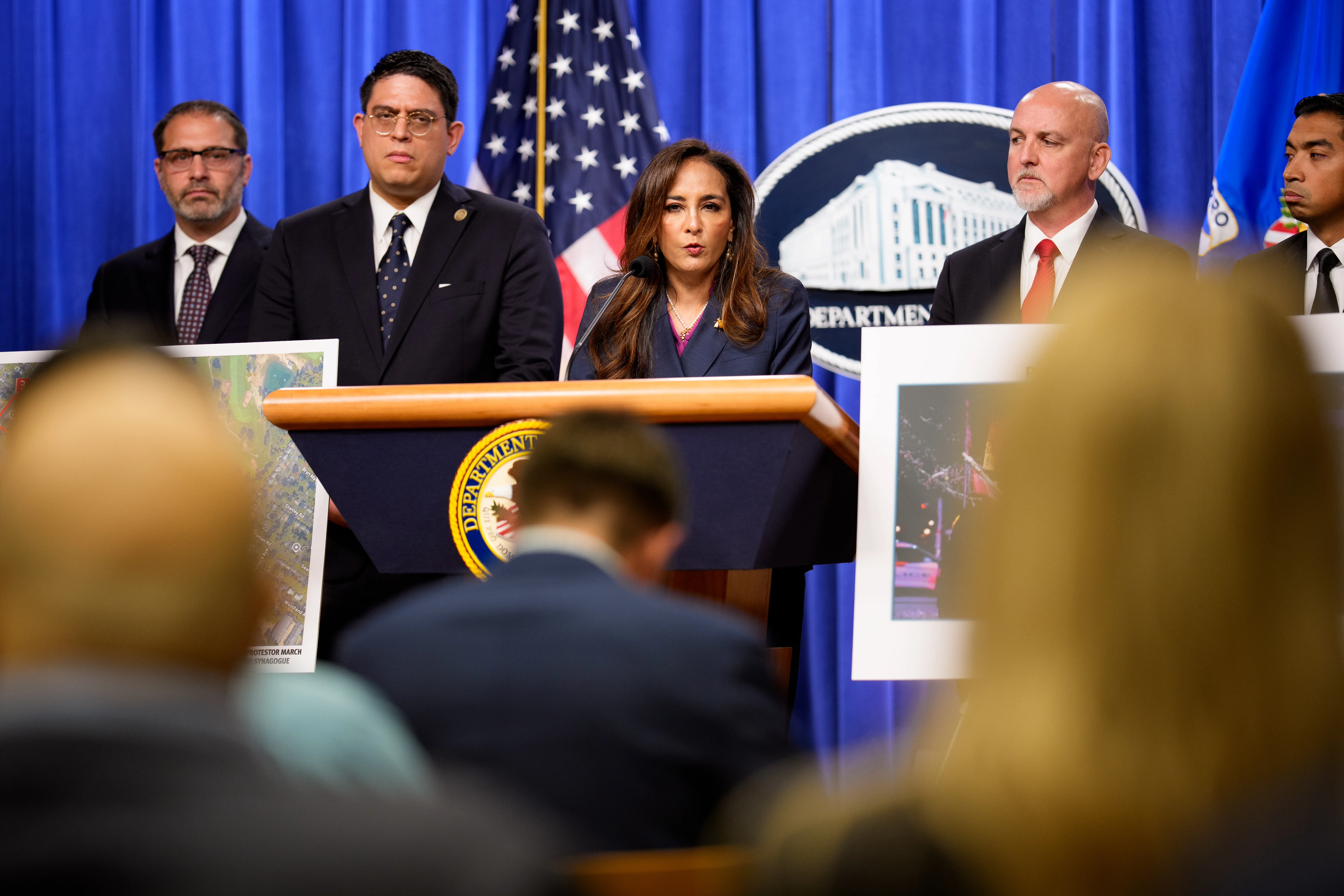
The U.S. Department of Justice confirmed the resignation of Harmeet Dhillon, the senior official overseeing the Civil Rights Division, marking the end of a complex and high-profile tenure. Dhillon’s departure comes after eighteen months at the helm, a timeframe that saw the division navigate significant shifts in federal policy priorities and intense public debate over the scope of civil rights enforcement. Her exit is not merely a personnel change but a pivotal moment that could reshape the agency’s operational focus and public engagement strategies.
The resignation occurs against a backdrop of heightened tensions regarding federal oversight of state and local law enforcement, as well as the protection of voting rights. During her tenure, the division managed a portfolio of sensitive cases that attracted national media attention and legal challenges. The operational context of her departure suggests a strategic recalibration within the broader Justice Department, potentially signaling a pause or pivot in certain investigative approaches that were previously deemed priorities.
Official statements regarding the resignation have been measured, emphasizing a commitment to the rule of law and the importance of a smooth transition. Legal observers and civil rights advocates have responded with a mix of relief and concern, depending on their alignment with the division’s recent actions. The immediate challenge now lies in ensuring that ongoing investigations are not disrupted and that the division maintains its credibility and effectiveness in the eyes of the public.
In-Depth Analysis & Key Details
The departure of the Civil Rights Division chief must be understood within the broader historical context of federal civil rights enforcement, which has fluctuated significantly across different administrations. Historically, this division has been at the forefront of landmark cases involving racial discrimination, employment practices, and police accountability. The current leadership transition reflects a broader pattern of institutional instability that often accompanies shifts in political power, where enforcement priorities are frequently reevaluated to align with the executive branch’s agenda.
Competing perspectives on Dhillon’s tenure highlight the deep divisions in American legal and political discourse. Proponents of robust federal intervention argue that the division’s actions were necessary to address systemic injustices, while critics contend that federal overreach undermines local autonomy and due process. This debate is further complicated by the economic consequences of prolonged litigation and the potential chilling effect on state and local policies that may be subject to federal scrutiny. The tension between federal authority and state sovereignty remains a central issue in this context.
Expert domain context suggests that the Civil Rights Division’s effectiveness is heavily dependent on consistent leadership and clear institutional mandates. Frequent leadership changes can lead to a loss of institutional memory and a disruption in long-term strategic planning. Legal scholars emphasize the importance of maintaining a professional, non-partisan approach to civil rights enforcement to preserve the division’s integrity. The transition period is critical for establishing new norms and ensuring that the division continues to operate with transparency and accountability.
"The resignation of the Civil Rights Division chief underscores the fragility of institutional continuity in federal enforcement, where leadership changes can rapidly alter the trajectory of civil liberties protections."
Why This Matters & What Lies Ahead
For everyday citizens, the leadership of the Civil Rights Division has direct implications for their rights and protections under the law. Changes in enforcement priorities can affect access to justice for marginalized communities, influencing how cases of discrimination and police misconduct are handled. The financial markets may also react to signals of regulatory uncertainty, as consistent legal frameworks are essential for business stability and investment confidence. Public policy debates surrounding civil rights are likely to intensify, with potential legislative implications for future oversight mechanisms.
In the coming months, key milestones to watch include the announcement of Dhillon’s successor, the status of high-profile ongoing investigations, and any legislative hearings regarding the scope of federal civil rights authority. Stakeholders should monitor the Justice Department’s official communications for clarity on the division’s future direction. Additionally, court dates related to pending cases will provide insight into how the new leadership intends to approach legal challenges. These developments will be crucial in determining the long-term impact of this leadership transition on civil rights enforcement in the United States.
Source: Reported by NPR · Analyzed & Synthesized by DNB Newsroom