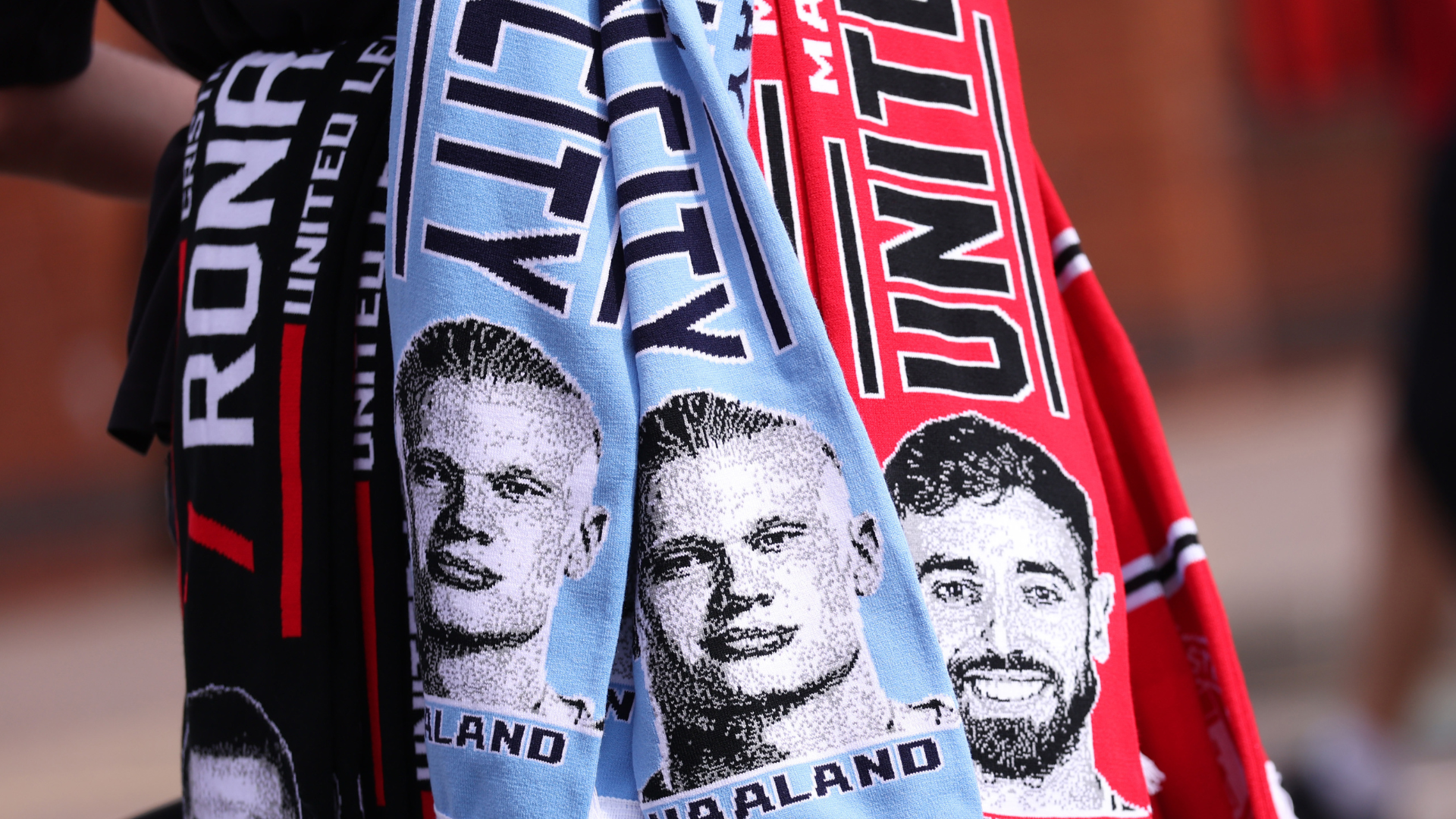
Supporters of Manchester City took to social media this week to brand Arsenal, Liverpool and Manchester United as a “Red Cartel”, suggesting an informal pact to control league outcomes. The claim echoes long‑standing rivalries and taps into concerns over competitive balance.
The accusation emerges as the clubs prepare for a busy fixture schedule and the summer transfer window, with City eyeing key signings while the three accused clubs negotiate their own deals under heightened scrutiny.
In-Depth Analysis & Key Details
The Premier League’s revenue model, dominated by broadcast rights and commercial partnerships, has concentrated wealth among a handful of clubs, fueling speculation about informal alliances. Yet regulatory frameworks such as Financial Fair Play and the league’s competition committee make coordinated market manipulation difficult to sustain.
While City’s narrative frames the trio as a monolithic force, independent analysts point to divergent strategic priorities, differing ownership structures and recent on‑field results that contradict the idea of a unified front.
"The alleged “Red Cartel” is more a rhetorical device than a demonstrable market conspiracy."
Why This Matters & What Lies Ahead
If fans and sponsors buy into the cartel narrative, it could erode trust in the league’s competitive integrity and affect commercial deals tied to viewership. Moreover, heightened scrutiny may prompt the Premier League to review its governance rules ahead of the next season.
Stakeholders will watch the league’s end‑of‑season financial audit and upcoming UEFA licensing assessments for any signs of coordinated behavior, which could trigger formal investigations or policy reforms.
Source: Reported by CBS Sports · Analyzed & Synthesized by DNB Newsroom



