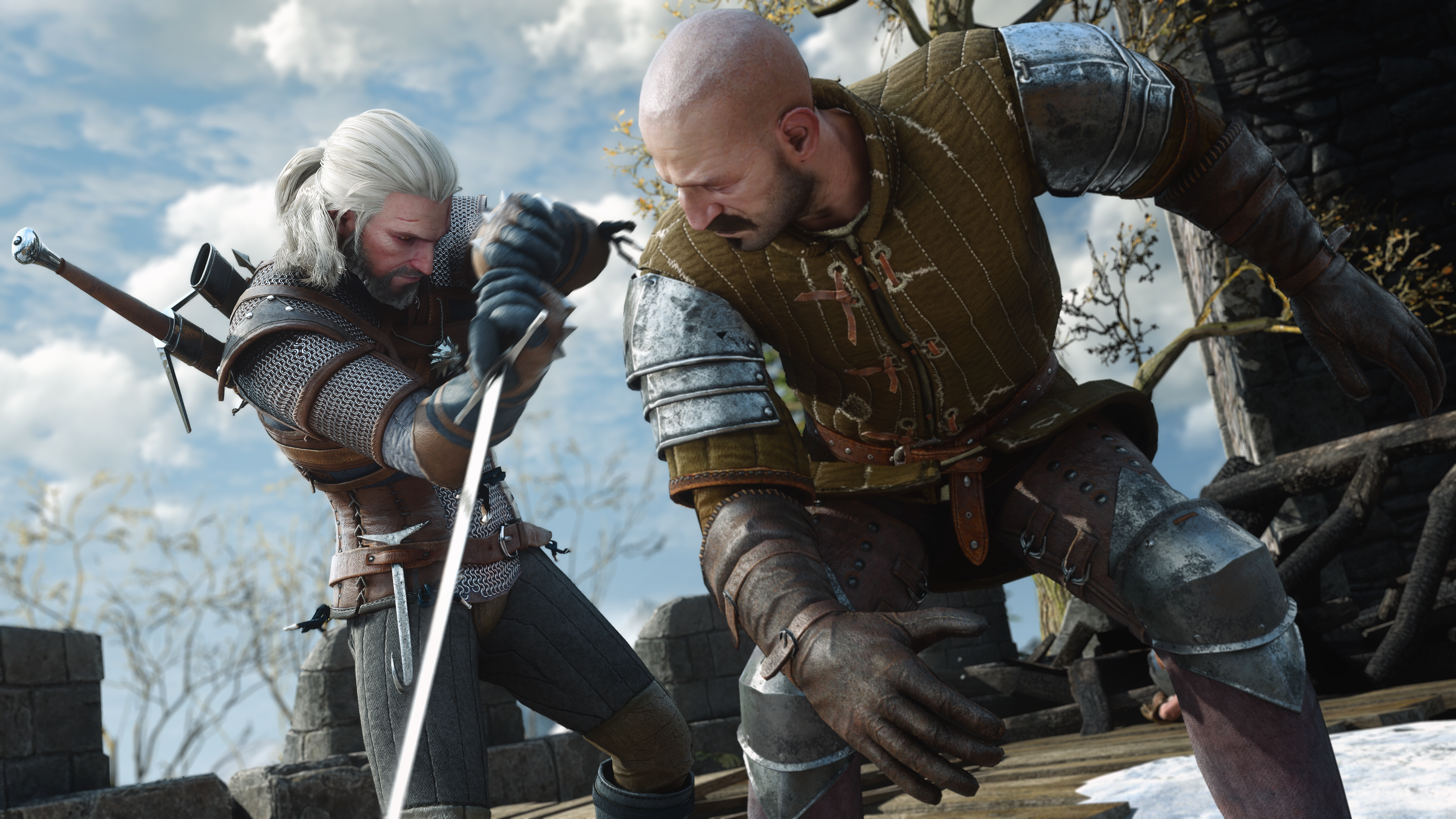
CD Projekt Red has deployed a substantial software update for The Witcher 3: Wild Hunt, fundamentally altering how players interact with community-generated content. The patch introduces a curated library of 40 new mods that are now fully compatible across all major gaming platforms, including personal computers, PlayStation consoles, and Xbox systems. This release marks a decisive break from the fragmented modding landscape that has characterized the game since its initial launch, where console players were largely excluded from the vast library of enhancements developed by the PC community.
The operational context of this update is significant, as it requires no additional hardware or third-party software installation on console devices. Instead, the mods are integrated directly into the game’s native interface, allowing users to toggle features such as visual enhancements, gameplay tweaks, and narrative adjustments with minimal user intervention. This streamlined approach addresses the historical complexity associated with console modding, which often required USB drives and manual file management.
Industry observers note that this move reflects a broader strategic pivot by CD Projekt Red to maintain player engagement in a competitive market. By facilitating cross-platform modding, the developer aims to unify the player base, ensuring that critical gameplay improvements and aesthetic upgrades are accessible to all demographics. This decision is seen as a direct response to consumer demand for parity, particularly in the wake of similar initiatives by other major publishers in the RPG sector.
In-Depth Analysis & Key Details
The historical trajectory of The Witcher 3’s modding scene reveals a long-standing disparity between PC and console ecosystems. For years, the PC version benefited from an open architecture that allowed developers to access game files directly, leading to the creation of thousands of mods ranging from simple graphical tweaks to complex gameplay overhauls. Console players, however, were restricted to a closed system, resulting in a two-tiered experience where the fidelity and customization options were significantly limited. The recent patch addresses this structural inequality by leveraging the increased processing power and open APIs of modern-generation consoles.
From a regulatory and industry perspective, this shift challenges the traditional business model of post-launch support. Historically, console manufacturers have maintained strict control over user-generated content to preserve system integrity and security. By allowing a curated selection of mods to be installed natively, CD Projekt Red is navigating a delicate balance between openness and stability. Industry analysts observe that this approach reduces the risk of system corruption while still providing the creative freedom that drives long-term player retention. The economic implications are also notable, as extended engagement with modded content can lead to increased sales of physical media and digital expansions.
Furthermore, the technical intricacies of this update highlight the evolving capabilities of modern game engines. The implementation of cross-platform mods requires sophisticated code management to ensure that assets load correctly regardless of the underlying hardware. This technical achievement sets a precedent for other AAA titles, suggesting that future releases may adopt similar modular architectures. The decision also reflects a deeper understanding of the modding community’s role in preserving and revitalizing older titles, effectively extending their cultural and commercial relevance well beyond their initial release window.
"By unifying the modding experience across platforms, CD Projekt Red has not only addressed a long-standing consumer grievance but has also redefined the standard for post-launch content support in the AAA RPG sector."
Why This Matters & What Lies Ahead
For everyday gamers, this update represents a tangible improvement in the value proposition of The Witcher 3. Players who previously felt left out of the modding community can now access the same level of customization and graphical fidelity as their PC counterparts. This parity enhances the overall gaming experience, making the title more appealing to a broader audience and potentially increasing the game’s longevity in the market. Additionally, the reduced barrier to entry for modding encourages more players to experiment with community content, fostering a more engaged and active user base.
Looking ahead, this development sets the stage for further innovations in cross-platform gaming. Industry stakeholders will be watching to see if other major publishers follow suit, potentially leading to a broader shift in how game companies approach modding and user-generated content. Upcoming milestones to monitor include the potential release of additional mods, the introduction of a unified modding hub across platforms, and the impact of this strategy on the game’s sales figures and player retention rates. The success of this initiative could influence future design decisions in the industry, emphasizing the importance of community-driven content in sustaining long-term player engagement.
Source: Reported by Polygon · Analyzed & Synthesized by DNB Newsroom