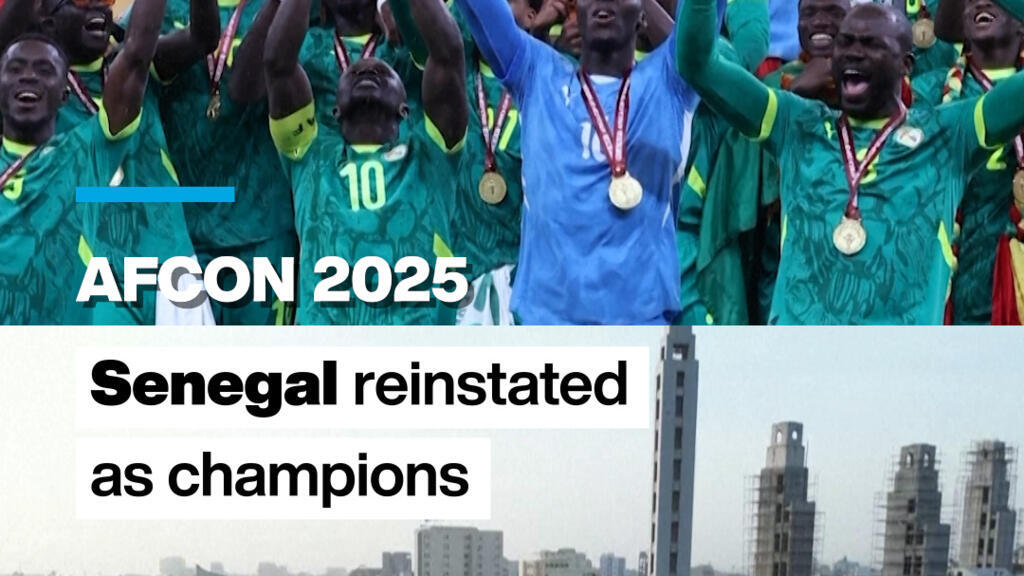
In a decisive move to settle one of the most contentious disputes in modern African football history, the Court of Arbitration for Sport (CAS) officially reinstated Senegal as the 2025 Africa Cup of Nations winners on Tuesday. The ruling comes after the Senegalese Football Federation successfully challenged the Confederation of African Football’s (CAF) earlier determination to award the championship to Morocco. This legal victory marks the culmination of a complex arbitration process that pitted the tournament’s on-field victors against the governing body’s strict interpretation of administrative protocols.
The dispute originated from the final match of the 2025 tournament, where Senegal secured a victory over Morocco. However, CAF subsequently declared Morocco the champions, citing specific administrative violations by the Senegalese team that they deemed to have compromised the integrity of the competition. This unprecedented move by the continental governing body triggered immediate backlash from fans, players, and national federations, leading Senegal to file an urgent appeal with CAS, the highest court in sports law, seeking to overturn the decision and restore their status as the rightful titleholders.
Upon issuing the ruling, CAS acknowledged the severity of the initial CAF decision and its impact on the competitive framework of the tournament. Institutional responses to the verdict have been swift, with Senegalese officials expressing relief that the legal process has finally delivered justice. The ruling effectively validates the match result, confirming that Senegal’s performance on the pitch remains the definitive determinant of the championship, rather than post-match administrative scrutiny.
In-Depth Analysis & Key Details
The background of this dispute highlights the growing tension between traditional football governance and the increasing complexity of administrative regulations in international sports. Historically, African Cup of Nations titles have been determined almost exclusively by match results, with administrative issues rarely overriding on-field outcomes. The CAF’s initial decision to strip Senegal of the title represented a significant departure from this norm, suggesting a shift toward stricter compliance enforcement that could potentially destabilize the competitive balance of future tournaments if applied inconsistently.
From a regulatory perspective, the CAS ruling serves as a check on the power of continental governing bodies, reinforcing the principle that administrative sanctions should not negate the fundamental outcome of a competitive event unless the integrity of the match itself is fundamentally compromised. Industry analysts observe that this precedent may encourage other national federations to challenge similar administrative rulings in future competitions, potentially leading to a more litigious environment within African football. The decision also underscores the critical role of independent arbitration bodies in maintaining the credibility of major sporting events.
Furthermore, the technical intricacies of the case involved detailed scrutiny of player registration and administrative documentation, areas where regulatory frameworks can be opaque and inconsistently applied across different national associations. The CAS panel’s decision indicates that while administrative compliance is essential, it must be enforced in a manner that does not undermine the spirit of fair competition. This balance is crucial for the long-term stability and commercial viability of the Africa Cup of Nations, which continues to attract significant global attention and investment.
"The Court of Arbitration for Sport’s ruling reaffirms that in the arena of competitive sports, the outcome on the pitch must remain the supreme arbiter of victory, safeguarding the integrity of the game from excessive administrative overreach."
Why This Matters & What Lies Ahead
For fans, players, and the broader sporting community, this ruling restores confidence in the fairness and transparency of the Africa Cup of Nations. It ensures that the title reflects the competitive performance of the teams involved, rather than being subject to post-hoc administrative judgments that can be perceived as arbitrary. This has significant implications for the commercial value of the tournament, as sponsors and broadcasters rely on the perceived fairness and integrity of the competition to maintain audience engagement and investment.
Looking ahead, this decision sets a critical precedent for how similar disputes may be handled in future international tournaments. Stakeholders, including national federations and governing bodies, will likely review their administrative protocols to ensure clarity and consistency in enforcement. Upcoming meetings of the CAF Executive Committee are expected to address the implications of this ruling, potentially leading to revised guidelines for administrative compliance in continental competitions. Monitoring these developments will be essential for understanding the evolving legal and regulatory landscape of African football.
Source: Reported by France 24 · Analyzed & Synthesized by DNB Newsroom


