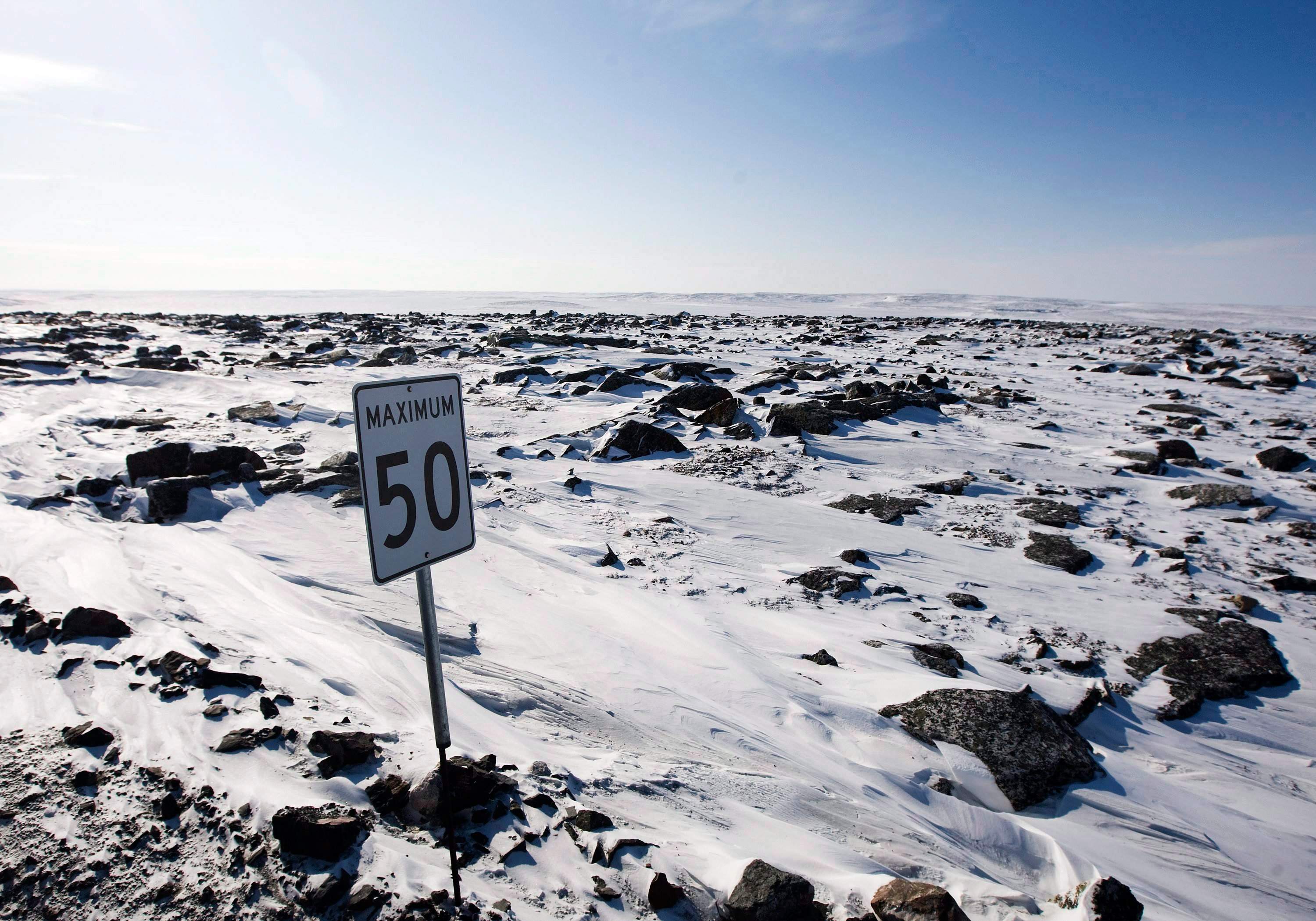
Canada’s federal government today unveiled plans for a new 10‑metre wide dual‑lane road that will cut through the low‑lying tundra of the Arctic, linking isolated communities and strategic facilities across a vast, water‑laden landscape.
The route, which will span several hundred kilometres, will cross a maze of lakes, ponds and streams, necessitating the construction of approximately 230 bridges and culverts. Engineers have designed the infrastructure to accommodate both vehicular traffic and seasonal ice conditions, ensuring year‑round accessibility.
A spokesperson for the federal Ministry of Transport stated that the project reflects Canada’s commitment to Arctic sovereignty and economic development. Industry analysts note that the road will facilitate the movement of goods and personnel, while environmental groups have called for rigorous monitoring of ecological impacts.
In-Depth Analysis & Key Details
The Arctic road project builds on a legacy of federal investment in northern infrastructure that began in the 1970s, when the government first sought to improve connectivity for remote communities. Over the past decade, policy shifts have increasingly focused on balancing economic growth with environmental protection, especially in sensitive tundra ecosystems.
Regulatory debates now centre on the permitting process for the 230 bridges and culverts, with the Canadian Environmental Assessment Agency reviewing potential impacts on wildlife corridors and water quality. Proponents argue that the road will reduce reliance on air transport, lowering carbon emissions, whereas critics caution that increased traffic could disrupt fragile habitats.
Technical challenges include designing foundations that can withstand permafrost thaw, as well as ensuring that bridge structures can accommodate the region’s extreme temperature fluctuations. Engineers are employing advanced materials and modular construction techniques to mitigate these risks, a practice that could set new industry standards for Arctic infrastructure projects worldwide.
"Building a 10‑metre wide road across the Arctic’s fragile tundra is a bold engineering venture that could redefine how Canada balances development with environmental stewardship."
Why This Matters & What Lies Ahead
For residents of the Arctic, the new road promises faster access to medical facilities, schools and markets, potentially improving quality of life and reducing isolation. The project also signals a strategic shift in Canada’s approach to Arctic sovereignty, as improved infrastructure bolsters national security and emergency response capabilities.
Key milestones to watch include the final environmental assessment approval slated for early next year, the commencement of construction in late 2025, and the projected opening of the first segment by 2030. Stakeholders will also monitor parliamentary debates over funding allocations and the outcomes of upcoming hearings on the project’s ecological safeguards.
Source: Reported by Global News BC · Analyzed & Synthesized by DNB Newsroom