California prosecutors have brought charges against an alleged organized crime ring responsible for a series of daring heists targeting freight trains. According to official statements, the syndicate did not operate in isolation but executed a coordinated campaign that struck dozens of railcars, systematically stripping them of their cargo. The scale of the operation suggests a high level of planning and logistical capability, moving beyond opportunistic theft into the realm of specialized industrial crime. The case has drawn significant attention from law enforcement agencies seeking to dismantle networks that pose a direct threat to the integrity of the state’s transportation infrastructure.
The geographical scope of the alleged crimes spans key rail corridors within California, where freight traffic is dense and the movement of goods is critical to the regional economy. Investigators indicate that the targets were not random; rather, the group appeared to select trains carrying specific types of high-value or easily resalable goods. The operational context reveals a disturbing level of familiarity with rail schedules and security blind spots, suggesting that the perpetrators may have had insider knowledge or conducted extensive surveillance prior to each strike. This pattern of behavior underscores a shift in how criminal elements are approaching the theft of commercial assets.
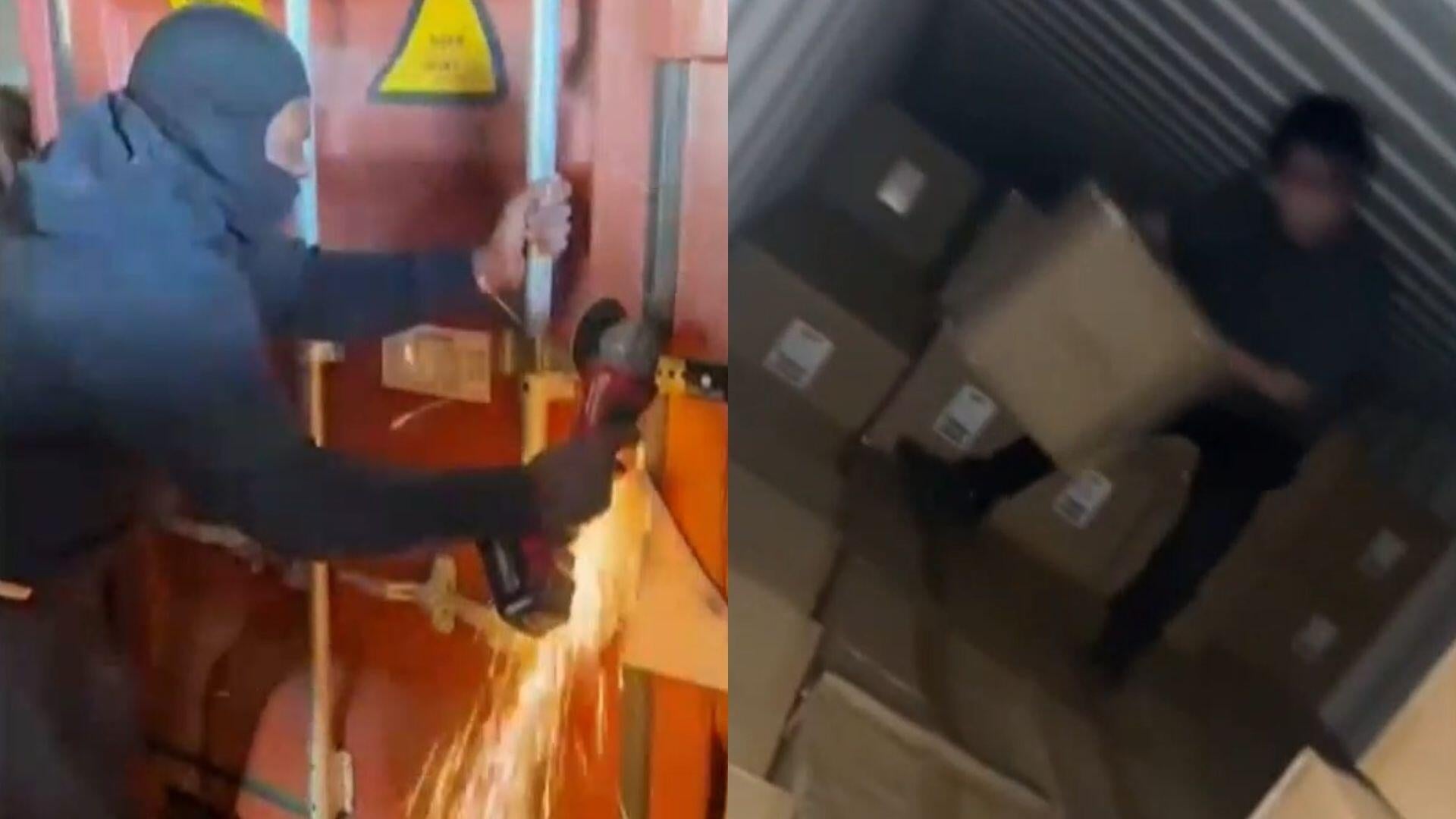
In a notable turn of events, the suspects themselves documented their illicit activities, recording the heists on video. These recordings have since become central to the prosecution’s case, providing a visual timeline of the crimes and linking the individuals directly to the acts of theft. Law enforcement officials have described the footage as a critical piece of evidence that helped unravel the network’s structure and identify the roles of each participant. The release of this information signals a proactive stance by prosecutors, aiming to deter similar operations by exposing the methods and consequences of such crimes.
In-Depth Analysis & Key Details
The emergence of this train heist ring reflects a broader trend in organized crime, where groups are increasingly targeting complex industrial systems that were previously considered secure. Historically, freight rail theft was largely limited to opportunistic theft of individual items or low-value goods. However, the sophistication of this operation, involving dozens of trains, indicates a new era of criminal enterprise that leverages technology and coordination to exploit vulnerabilities in critical infrastructure. This shift mirrors trends seen in other sectors, such as cybersecurity and port logistics, where organized crime groups are adapting to modern supply chain dynamics.
From a regulatory and economic perspective, the incident raises serious concerns about the security of the U.S. freight rail network. Industry analysts observe that while rail companies have invested heavily in security measures, the sheer volume of freight traffic and the length of the network create inherent challenges in maintaining constant vigilance. The case also highlights the tension between operational efficiency and security, as rail operators must balance the cost of enhanced security with the need to keep goods moving. This incident may prompt a reevaluation of security protocols, potentially leading to increased investment in surveillance technology and personnel training.
Furthermore, the use of video evidence in this case underscores the changing landscape of criminal investigations. The digital footprint left by the suspects, intended to glorify their actions, has instead provided law enforcement with a powerful tool for prosecution. This dynamic is increasingly common in modern crime, where the very methods used to document criminal activity become the means of their exposure. Legal experts note that such evidence not only aids in securing convictions but also serves as a deterrent, showcasing the inevitability of detection in the digital age.
"The suspects’ decision to film their crimes has turned their own audacity into the prosecution’s most powerful weapon, exposing a dangerous new chapter in industrial theft."
Why This Matters & What Lies Ahead
For consumers and businesses alike, the security of the freight rail network is a matter of direct economic interest. Disruptions or losses caused by such heists can lead to higher costs, delayed deliveries, and reduced availability of goods. The case also has broader implications for public policy, as it may spur legislative action to strengthen penalties for crimes against critical infrastructure. Additionally, the incident serves as a wake-up call for rail companies to reassess their security strategies, potentially leading to industry-wide changes that could impact operational costs and service reliability.
In the coming months, attention will turn to the court proceedings, where the video evidence will play a central role in the trial. Legal experts anticipate that the case will set a precedent for how similar crimes are prosecuted, particularly regarding the use of digital evidence and the definition of organized crime. Stakeholders, including rail industry leaders and law enforcement agencies, are expected to monitor the outcome closely, as it may influence future security investments and regulatory frameworks. The case also highlights the need for continued collaboration between public and private sectors to protect the integrity of the nation’s transportation infrastructure.
Source: Reported by CBS News · Analyzed & Synthesized by DNB Newsroom