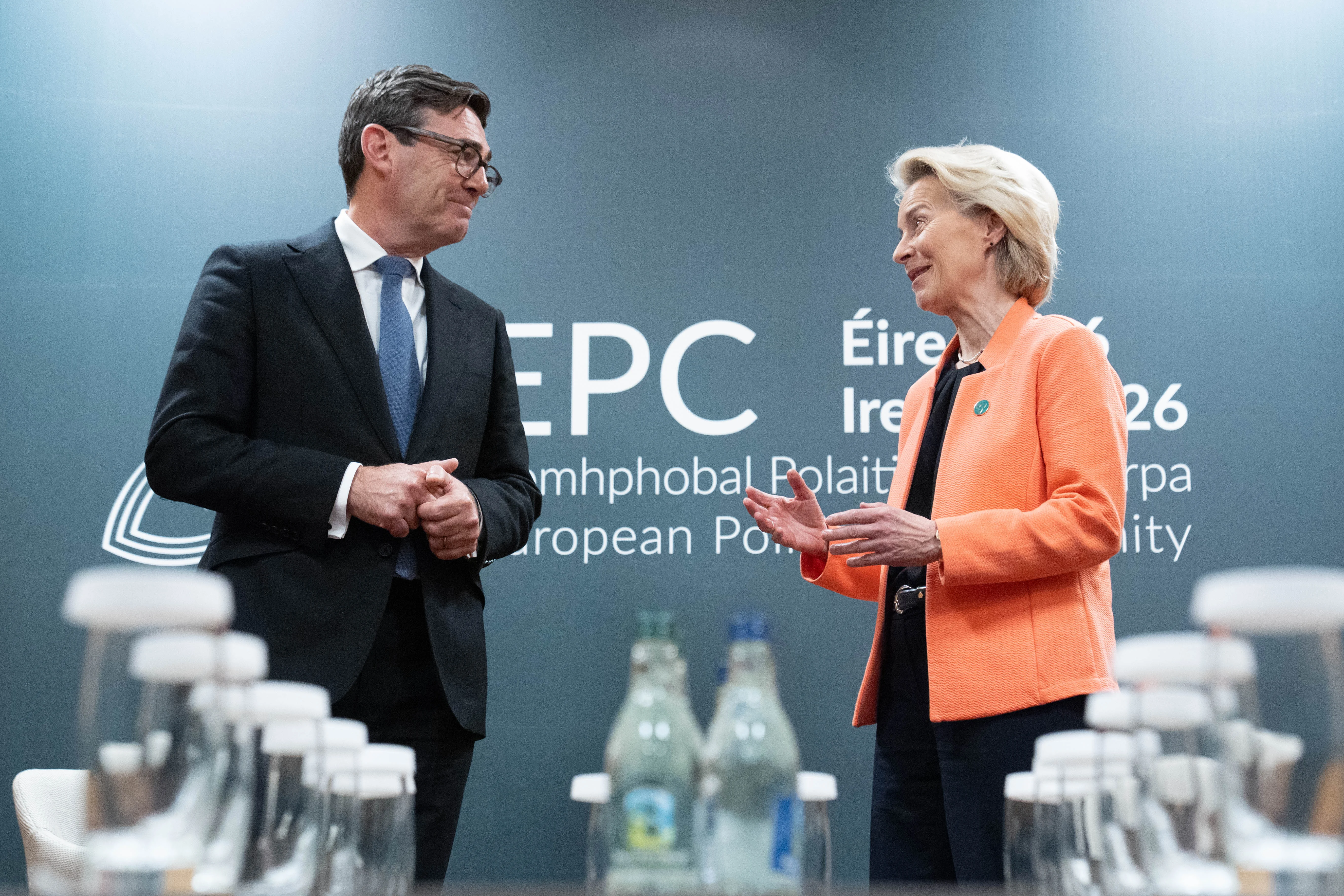
In a significant diplomatic development, top officials from the European Union have convened with Prime Minister Andy Burnham for a rare summit designed to repair the strained relationship between the two entities. This gathering occurs precisely ten years after the British public voted to withdraw from the EU, a pivotal moment that has since led to a complex and often contentious separation process. The meeting is widely interpreted as an acknowledgment by both sides that the initial post-Brexit friction has reached a point where constructive dialogue is necessary to prevent further economic and political deterioration.
The summit takes place against a backdrop of heightened scrutiny regarding the practical realities of the UK's new trade arrangement. While the legal framework for the separation has been established, the operational details of how goods, data, and services move between the UK and the EU remain a source of frequent dispute. The physical and digital infrastructure connecting the two markets is under intense pressure, with industry stakeholders reporting increased compliance costs and delays that have eroded the initial economic optimism projected by pro-Brexit advocates.
Prime Minister Burnham is expected to address the core grievances of both domestic constituents and EU partners, emphasizing a desire for a more stable and predictable partnership. EU officials, meanwhile, are reportedly focused on ensuring that the UK’s regulatory autonomy does not create unfair competitive advantages or undermine the integrity of the single market. The tone of the discussions is described as serious but collaborative, marking a distinct departure from the confrontational rhetoric that dominated the early years of the separation.
In-Depth Analysis & Key Details
The historical context of this summit is defined by the unique geopolitical experiment of the UK’s departure from the EU, a process that has fundamentally altered the post-war European order. For a decade, the relationship has oscillated between periods of intense negotiation and quiet stagnation, with each side struggling to adapt to the new normal. The structural forces at play include the tension between national sovereignty and supranational integration, a debate that has intensified in other parts of Europe as well. This meeting can be seen as a test of whether the two entities can develop a new, functional relationship that respects their distinct political trajectories.
Competing perspectives within both the UK and the EU continue to shape the diplomatic landscape. Hardline Brexiteers argue that any concession to EU standards undermines the principle of independence, while pro-European voices contend that the costs of divergence are too high to ignore. On the EU side, there is a debate between those who advocate for a more flexible approach to engage the UK and those who insist on strict enforcement of single market rules to protect the bloc’s integrity. These internal tensions make the summit a delicate balancing act, requiring leaders to navigate domestic political constraints while pursuing shared economic interests.
Industry analysts observe that the outcome of these talks will have significant implications for sectors heavily reliant on cross-border trade, such as automotive manufacturing, financial services, and agriculture. The technical intricacies of regulatory alignment, particularly in areas like digital data protection and environmental standards, are complex and require sustained technical dialogue. The success of this summit will depend not just on high-level political will, but on the ability of technical teams to find workable solutions to these granular issues.
"The challenge is no longer about defining the separation, but about engineering a sustainable coexistence that serves the economic interests of both nations."
Why This Matters & What Lies Ahead
For everyday citizens and businesses, the outcome of this summit will directly impact the cost of goods, the ease of doing business, and the stability of cross-border employment. Reduced regulatory friction could lead to lower prices for imported goods and smoother supply chains, benefiting consumers and small businesses alike. Furthermore, improved diplomatic relations could enhance the UK’s global standing and attract foreign investment, contributing to broader economic growth. The clarity provided by these negotiations will also help businesses plan for the future, reducing uncertainty that has long hindered strategic decision-making.
Looking ahead, several key milestones will determine the success of this diplomatic initiative. The next six months are critical, as technical negotiations are expected to accelerate following the high-level summit. Stakeholders should monitor the progress of specific working groups focused on trade, digital, and security issues. Additionally, upcoming parliamentary sessions in both the UK and the EU will provide opportunities for legislative adjustments to align with any new agreements. The public will also be watching for signs of improved cooperation in areas such as climate change and foreign policy, which could further solidify the new relationship.
Source: Reported by NPR · Analyzed & Synthesized by DNB Newsroom