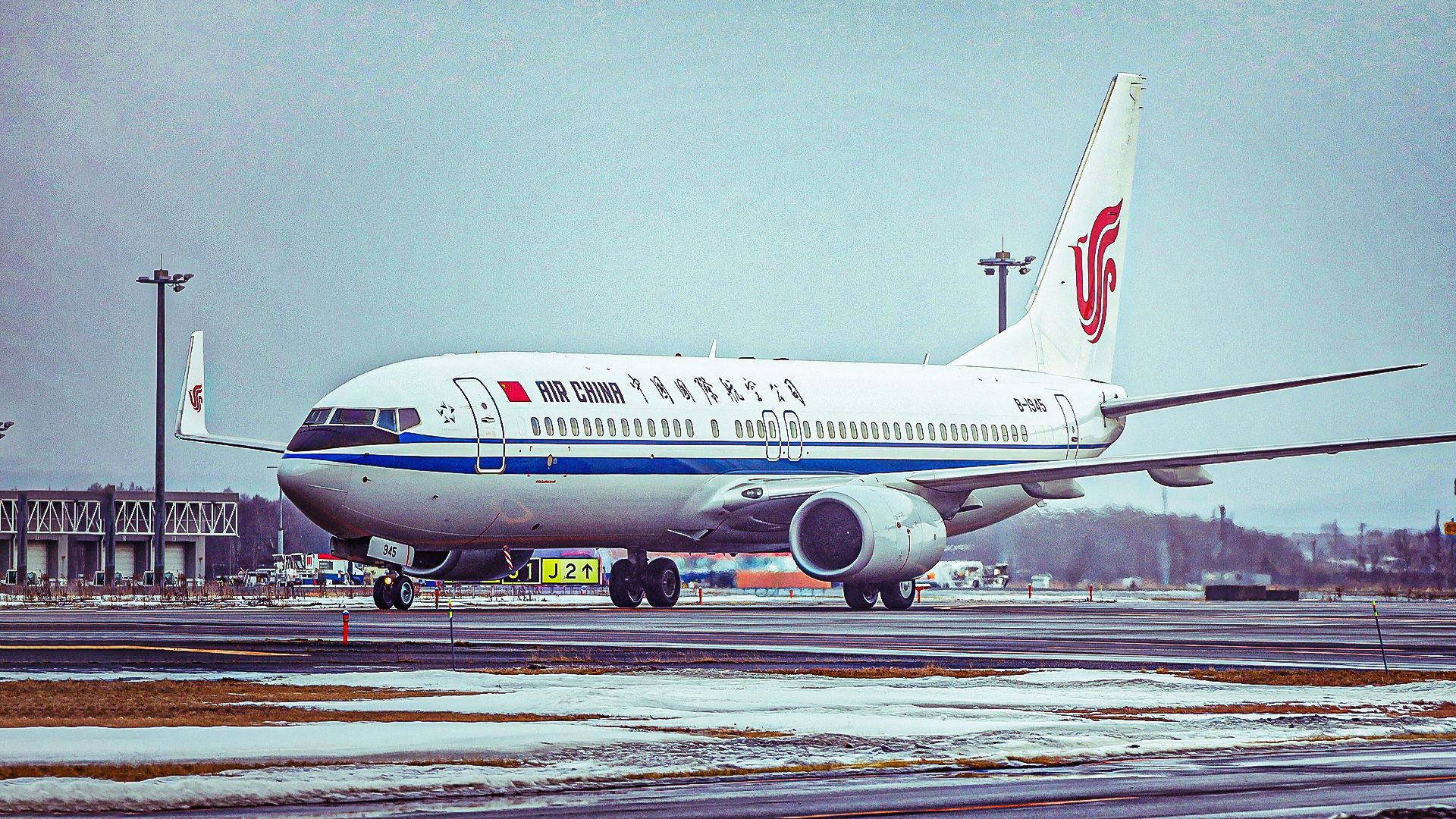
In a significant update to its global market outlook, Boeing has outlined a robust expansion path for the Chinese aviation sector, projecting that the nation’s commercial fleet will nearly double in the coming decades. The aerospace giant’s analysis indicates that by 2043, China will operate close to 10,000 civil aircraft, a figure that reflects the country’s status as the world’s second-largest air travel market. This forecast is not merely a statistical exercise but a strategic signal to the global supply chain, suggesting that the next two decades will be defined by an unprecedented demand for new airframes in the Asian market.
The geographical and operational scope of this growth is vast, spanning from the saturated hub airports in Beijing, Shanghai, and Guangzhou to the rapid development of secondary cities in the western and northern regions. As China’s middle class expands and disposable income rises, the demand for domestic leisure travel is outpacing business travel, necessitating a fleet composition that favors fuel-efficient narrow-body aircraft for short-haul routes and capable wide-body jets for international corridors. The infrastructure to support this doubling is already underway, with dozens of new airports under construction or in the planning phase to handle increased traffic density.
Industry stakeholders have responded with a mix of anticipation and cautious optimism. While Boeing expects to capture a significant share of this market, the presence of Airbus and the rising capabilities of the Commercial Aircraft Corporation of China (COMAC) complicate the competitive landscape. Chinese aviation authorities have historically prioritized domestic procurement to bolster local manufacturing, a policy that could influence how the 18,000 new aircraft projected in the forecast are sourced. The interplay between market forces and state policy will determine the final distribution of orders among the major OEMs.
In-Depth Analysis & Key Details
The historical context of China’s aviation growth reveals a trajectory that mirrors the rapid industrialization seen in the United States during the post-war era. For decades, China’s air travel was limited to government and elite business use, but the liberalization of the economy in the early 21st century triggered an explosion in passenger numbers. The current forecast builds on this momentum, assuming that the structural shift toward a consumption-driven economy will continue. However, this growth is not without friction; the environmental costs of aviation and the regulatory scrutiny surrounding carbon emissions are increasingly factoring into fleet replacement cycles, pushing airlines toward next-generation, more efficient models.
From a geopolitical perspective, the doubling of China’s fleet is a flashpoint in the ongoing trade and technology rivalry between the West and Beijing. The aviation industry is a high-value export sector for the United States and Europe, and any attempt by China to localize its supply chain threatens the economic interests of Boeing and Airbus. Regulatory debates in Washington and Brussels often highlight the need for fair market access, yet the sheer scale of the Chinese market remains an irresistible pull for Western manufacturers. This tension is further complicated by the rapid technological advancements of COMAC, particularly with the C919, which is gradually proving its reliability and safety record.
Expert analysis suggests that the technical intricacies of this expansion will require significant investment in ground handling, maintenance, and pilot training. The doubling of the fleet implies a similar doubling of the ground support equipment and hangar space required. Furthermore, the integration of advanced avionics and digital maintenance systems will be critical to managing the operational complexity of such a large fleet. The industry must also prepare for the workforce implications, as thousands of new pilots, engineers, and technicians will need to be trained and certified to keep these aircraft in the air safely and efficiently.
"The sheer scale of China’s aviation expansion is not just a market opportunity; it is a structural test of the global supply chain’s ability to deliver on a scale never before seen in the industry."
Why This Matters & What Lies Ahead
For global consumers and investors, the projected doubling of China’s aircraft fleet has profound implications for airfare pricing, route availability, and supply chain stability. A larger, more modern fleet typically leads to increased competition, which can drive down ticket prices and improve service quality for travelers. For financial markets, the forecast serves as a bullish indicator for the aerospace sector, signaling steady long-term revenue streams for manufacturers and their suppliers. However, investors must also monitor the risks associated with trade disputes and potential sanctions that could disrupt the flow of components and finished aircraft.
In the coming years, key milestones to watch include the certification and delivery schedules for new aircraft models, particularly those from COMAC, which could disrupt the duopoly of Boeing and Airbus. Regulatory bodies in China and the West will also be closely scrutinizing the environmental standards required for new aircraft, as the aviation industry faces pressure to meet net-zero targets. Additionally, the outcome of ongoing trade negotiations between the U.S. and China will play a critical role in determining the pace and nature of fleet expansion. Stakeholders should remain vigilant for any shifts in domestic procurement policies that could accelerate the adoption of locally made aircraft.
Source: Reported by Simple Flying · Analyzed & Synthesized by DNB Newsroom