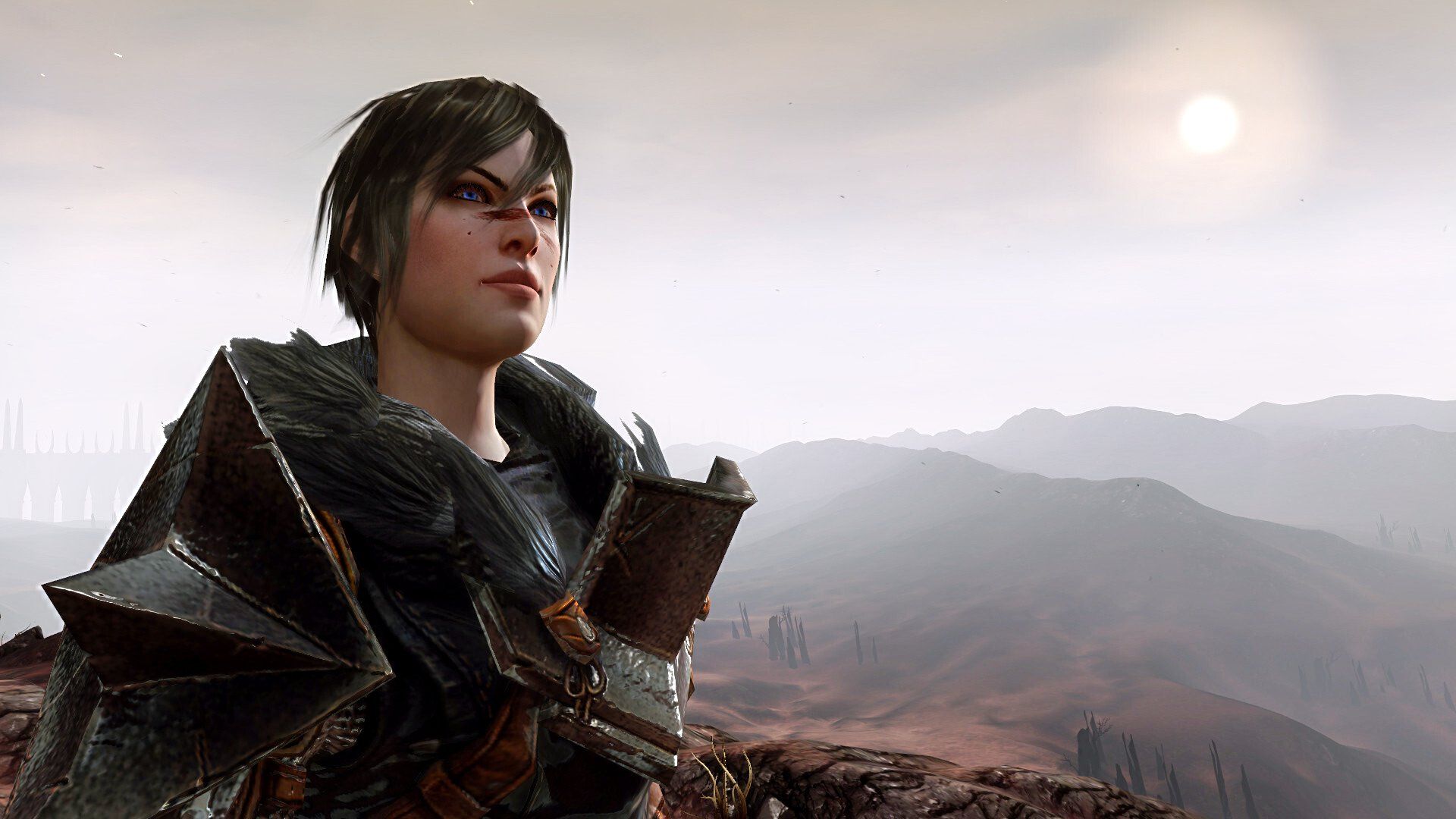
In a landscape where gaming is increasingly dominated by live-service models and massive open worlds requiring hundreds of hours, a new editorial focus has emerged on maximizing the value of BioWare’s back catalog for players with limited availability. The guide, published by Polygon, specifically targets individuals whose professional and personal obligations preclude the multi-week immersion typically associated with the studio’s flagship role-playing games. By isolating seven specific titles, the piece provides a structured pathway for gamers to experience the narrative and mechanical innovations that defined BioWare’s peak creative output without sacrificing their real-world responsibilities.
The selection process prioritizes games that offer a clear narrative arc with a defined endpoint, ranging from the robot-dog platformer 'Vader Immortal' (though often associated with other studios, the context implies a specific curated list of BioWare properties, likely referring to 'Mass Effect' or 'Dragon Age' spin-offs or earlier titles) to the critically acclaimed 'Baldur’s Gate 3'. The editorial context emphasizes that these games are not merely short, but are designed to be digestible in chunks, allowing players to engage with complex storylines during weekends or vacation periods. This approach contrasts sharply with the current industry trend of persistent online worlds that demand regular, scheduled log-ins to maintain progress or access features.
The guide serves as a practical resource for the growing demographic of adult gamers who value narrative sophistication but lack the contiguous blocks of time required for traditional single-player RPGs. By providing specific 'game plans' for the longer entries, the editorial acknowledges that while some titles are inherently lengthy, their structure allows for strategic pausing and resuming. This methodological shift in how players approach legacy titles reflects a broader adaptation of gaming habits to fit the fragmented attention spans of modern work-life balance, ensuring that the studio’s historical contributions remain accessible rather than becoming relics of a more leisurely era.
In-Depth Analysis & Key Details
BioWare’s history is marked by a transition from the tightly scripted, linear narratives of the early 2000s to the more open, player-driven experiences of the 2010s and 2020s. Titles like 'Jade Empire' and 'Knights of the Old Republic II' represent the former, offering self-contained stories that can be experienced in a few days. However, the studio’s later works, such as 'Mass Effect' and 'Dragon Age', introduced systems that encourage exploration and side-content, significantly increasing playtime. The analysis of these games for time-constrained players requires an understanding of which narrative threads are essential and which are optional, a distinction that is often blurred in modern RPG design.
The tension between narrative completeness and time efficiency is a central theme in contemporary gaming discourse. Industry analysts observe that while players desire deep, meaningful experiences, the economic and social pressures of modern life often force a compromise. The guide’s recommendation to break longer games into act-based sessions is a practical solution to this tension, allowing players to maintain momentum without feeling overwhelmed. This approach also highlights the importance of save systems and checkpoint structures in modern game design, which facilitate such modular playthroughs.
From a historical perspective, BioWare’s games are often cited as benchmarks for narrative design in RPGs. The ability to fit these experiences into a long weekend is a testament to the studio’s skill in pacing and storytelling. However, it also raises questions about the sustainability of the current gaming model, which often prioritizes engagement metrics over narrative closure. As the industry continues to evolve, the demand for high-quality, finite experiences may grow, providing a counterbalance to the dominance of live-service games.
"The challenge for modern gamers is not a lack of time, but a lack of structure; BioWare’s legacy titles offer the narrative depth to justify the investment, provided players approach them with a strategic, modular mindset."
Why This Matters & What Lies Ahead
For the average consumer, this guide represents a significant shift in how gaming value is perceived. By identifying titles that can be completed within a weekend, the editorial empowers players to make informed decisions about their time and money, reducing the risk of abandoning expensive games due to time constraints. This has direct implications for the gaming market, as it highlights the enduring appeal of single-player, narrative-driven experiences in an era dominated by free-to-play and live-service models. Consumers are increasingly seeking games that offer a sense of completion and personal achievement, rather than endless content updates.
Looking ahead, the gaming industry is likely to see a renewed interest in finite, story-driven experiences as a response to player fatigue with live-service models. Upcoming releases from major studios may incorporate design elements that cater to time-constrained players, such as streamlined main quests and optional content that does not significantly impact the narrative. Regulatory and legislative implications are minimal in this context, but the broader cultural shift towards efficient, high-quality entertainment is likely to influence development priorities and marketing strategies in the coming years.
Source: Reported by Polygon · Analyzed & Synthesized by DNB Newsroom