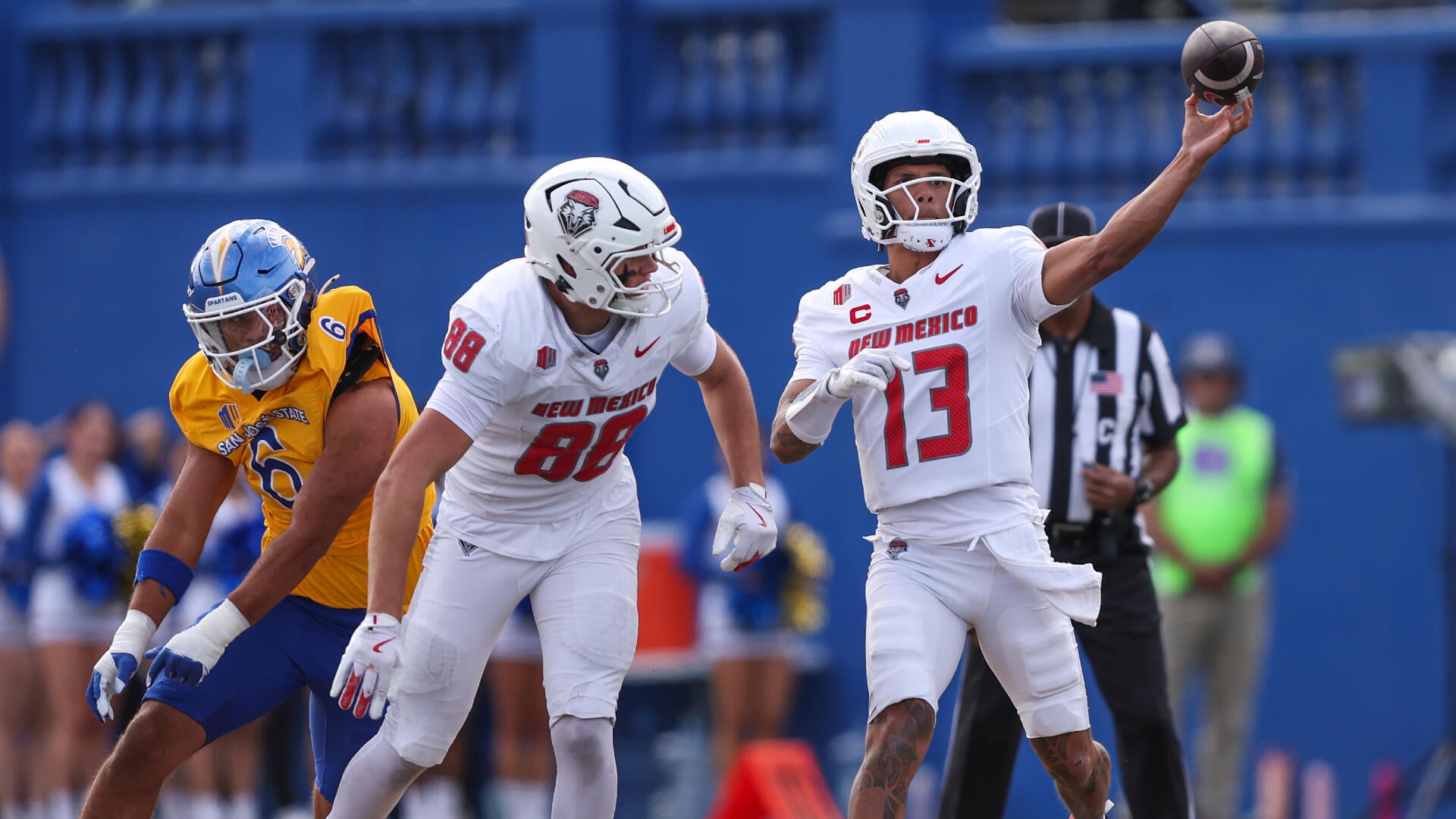
The Cincinnati Bengals' defensive architecture took a sharp hit on Sunday as rookie defensive end Cashius Howell exited the Week 8 game against the Tennessee Titans with an injury. Howell, who entered the league as a second-round selection (41st overall) in the 2026 NFL Draft, was widely regarded as the cornerstone of the Bengals' pass rush revitalization. His departure from the field was not merely a personnel change but a strategic disruption, as he had been the most consistent source of pressure on opposing quarterbacks in recent weeks. The immediate loss of his physical presence and speed on the edge has left the defensive line without its most dynamic young weapon at a crucial point in the season.
The geographical and operational context of the injury occurred during a high-stakes divisional and competitive matchup, where the Bengals were seeking to solidify their standing in the AFC. The Titans' defensive front, known for its physicality, engaged Howell in a series of complex stunts and blocks that likely contributed to the strain on his body. Medical staff quickly assessed the situation on the sideline, and while initial reports suggest it is not season-ending, the timeline for his return remains uncertain. This uncertainty creates a logistical headache for the coaching staff, who must now decide whether to insert a less experienced player into the starting lineup or rely on a more veteran, albeit slower, rotation to maintain defensive integrity.
Team officials have declined to provide specific medical details, citing the need for further imaging and evaluation. However, head coach Zac Taylor acknowledged the setback in his post-game press conference, stating that the team will evaluate Howell's condition daily and make the best decision for the roster. The response from the locker room has been one of resilience, with veteran leaders emphasizing the need to step up collectively. The absence of Howell shifts the burden to the rest of the defensive line, requiring increased effort from players who may have been in reserve roles, and tests the depth of a unit that was already scrutinized for its consistency in the first seven weeks of the season.
In-Depth Analysis & Key Details
The injury to Cashius Howell is not an isolated incident but a reflection of the broader challenges faced by NFL teams investing heavily in young talent. The 2026 NFL Draft saw a significant emphasis on pass-rushing talent, with teams like the Bengals allocating high draft capital to secure elite edge defenders. This strategy, while promising long-term success, carries inherent risks, particularly in the physical and high-contact nature of the sport. The historical data suggests that a significant percentage of high-pick rookies suffer injuries in their first two seasons, often due to the abrupt transition from college football to the professional level. The Bengals' decision to invest in Howell was a calculated risk, aiming to address a longstanding weakness in their defensive line, but the injury now forces a reevaluation of that investment's immediate return.
From a regulatory and industry perspective, the incident highlights the ongoing debate within the NFL regarding player safety and the physical demands placed on young athletes. The league has implemented various measures to protect players, including improved equipment and stricter enforcement of contact rules, yet injuries to high-value rookies remain a persistent concern. For the Bengals, the economic implications are significant, as Howell's contract, while not yet a superstar deal, represents a substantial financial commitment. His absence not only affects the team's on-field performance but also has ripple effects on the broader market, potentially influencing how other teams approach their own draft strategies and injury management. The competing perspectives within the organization now center on whether to protect Howell's long-term health by resting him or to push for a quicker return to maintain competitive momentum.
Expert analysis suggests that the Bengals' defensive line, while talented, lacks the depth to fully absorb the loss of a key player like Howell. The technical intricacies of modern NFL defense require a seamless rotation of players to maintain pressure on the quarterback, and the absence of a dynamic edge rusher can disrupt this rhythm. The injury also raises questions about the team's training and conditioning programs, as well as the effectiveness of their medical staff in preventing such setbacks. As the season progresses, the focus will shift to how the Bengals adapt to this new reality, with potential implications for their playoff prospects and long-term roster construction. The incident serves as a stark reminder of the volatility inherent in professional sports, where a single injury can alter the trajectory of a team's season.
"The loss of a high-pick rookie is not just a personnel gap; it is a strategic fracture that tests the resilience of a team's entire defensive philosophy."
Why This Matters & What Lies Ahead
For everyday readers and fans, the injury to Cashius Howell represents a tangible shift in the competitive landscape of the NFL, affecting the viewing experience and the narrative of the 2026 season. The Bengals' defensive performance is a key component of their identity, and the absence of their most exciting young player will likely lead to a more subdued and less dynamic defensive display. This has direct implications for the team's ability to win close games and maintain their position in the standings. For the broader sports industry, the incident underscores the high stakes involved in drafting and developing young talent, serving as a cautionary tale for other franchises. The financial and strategic repercussions of such injuries can influence future draft decisions and contract negotiations, potentially reshaping the competitive balance of the league.
Looking ahead, several key milestones will determine the impact of Howell's injury on the Bengals' season. The team's upcoming schedule, which includes several high-profile matchups, will serve as a test of their ability to adapt without their key rookie. Medical updates on Howell's recovery will be closely monitored, with potential return dates and game-time decisions playing a crucial role in the team's strategic planning. Additionally, the NFL's upcoming meetings and regulatory discussions on player safety may be influenced by incidents like this, potentially leading to new guidelines or protocols for protecting young players. Fans and analysts will be watching how the Bengals' coaching staff responds to this challenge, as their ability to navigate this setback will be a defining factor in their success this season and beyond.
Source: Reported by Yahoo Sports · Analyzed & Synthesized by DNB Newsroom