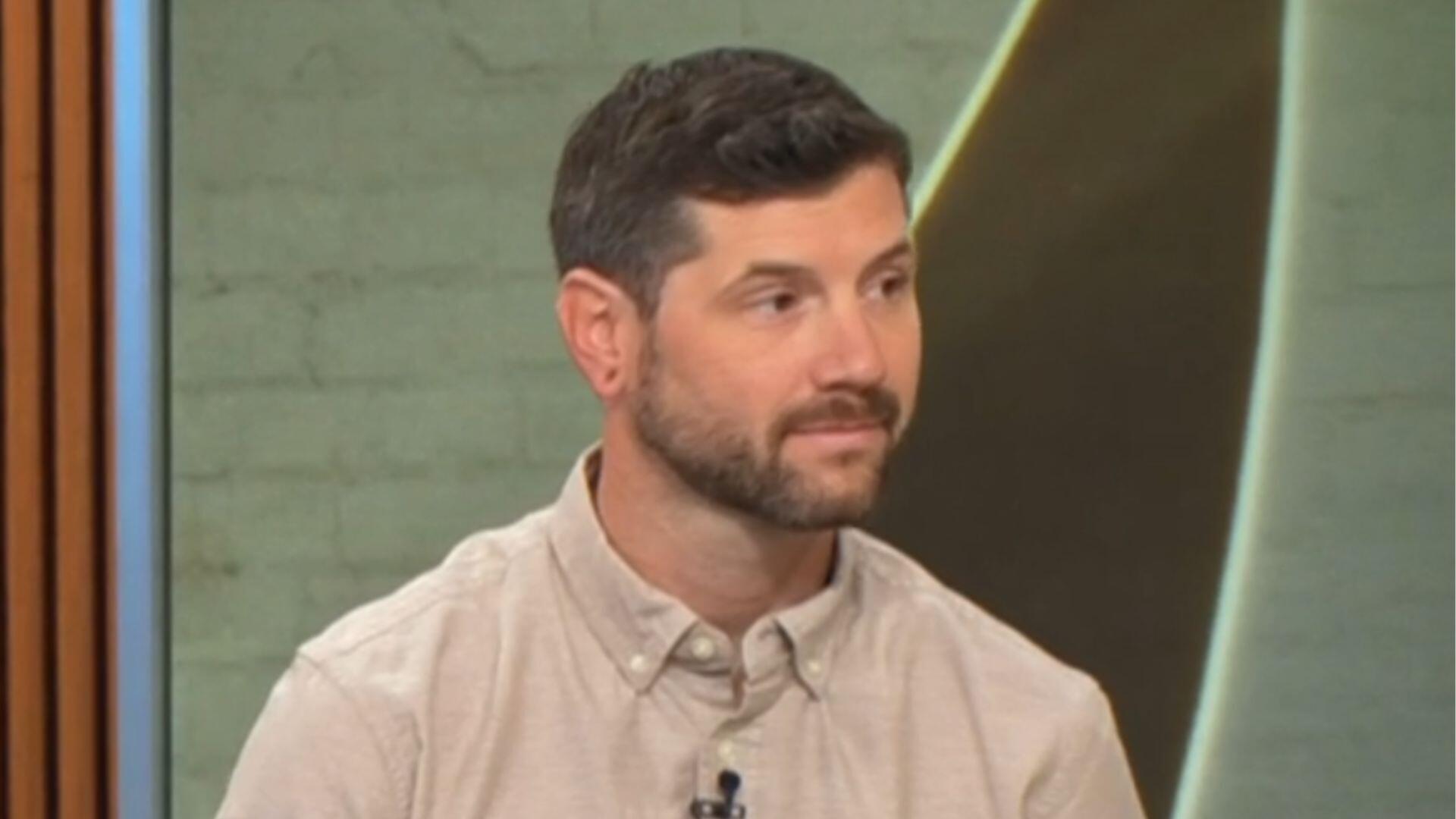
In a significant development regarding the aftermath of the school shooting in Bend, Oregon, Kaylub Giamanco has broken his silence, offering his first network television interview to detail the events that unfolded at his daughters' school. Giamanco, who was present during the incident, described his actions in halting the attack, providing a firsthand narrative that contrasts with the often fragmented and delayed information released in the immediate wake of such tragedies. His testimony centers on the critical moments where individual action intersected with the unfolding crisis, highlighting the role of bystanders in the complex chain of events during mass violence.
The incident occurred at a local educational institution in Bend, a city in eastern Oregon that has become a focal point for national discussions on school safety. Giamanco’s account places the event within the specific geographical and social context of the community, emphasizing the intimate connection between the perpetrator, the victims, and the responders. By sharing his experience, he underscores the unpredictable nature of active shooter scenarios, where the distinction between observer and participant can vanish in seconds, forcing individuals to make split-second decisions that determine life and death.
In the interview, Giamanco did not merely recount the physical actions taken but also delved into the psychological landscape of the event. He used the term 'mission mode' to describe his mental state, suggesting a shift from panic to purposeful action. This language resonates with existing psychological frameworks regarding trauma responses, where individuals may experience a narrowing of attention and a surge in adrenaline that facilitates rapid response. His willingness to share this narrative publicly adds a layer of personal testimony to the institutional responses and official investigations that have followed the shooting.
In-Depth Analysis & Key Details
The phenomenon of civilian intervention in school shootings has gained prominence in recent years, driven by a series of high-profile incidents that have exposed gaps in traditional security protocols. Historically, school safety strategies have relied heavily on lockdown procedures and law enforcement response times, which are often measured in minutes. However, the reality of active shooter situations is that the threat can escalate and resolve within seconds, a timeframe that often precedes the arrival of armed police. Giamanco’s account of entering 'mission mode' aligns with emerging research on the 'Run, Hide, Fight' doctrine, which encourages individuals to take active measures to neutralize threats when escape and concealment are not viable options. This shift in perspective challenges the passive model of safety and places a greater burden on the community to be prepared for active defense.
The debate surrounding school safety measures is multifaceted, involving tensions between security enhancements and the preservation of the educational environment. Critics of increased militarization in schools argue that it does not address the root causes of gun violence, while proponents contend that physical barriers and armed personnel are necessary deterrents. Giamanco’s experience highlights the limitations of both approaches; even in a well-secured environment, the human element remains the most unpredictable variable. The 'mission mode' response suggests that training and psychological preparedness may be as critical as physical security infrastructure. Industry analysts observe that this incident will likely fuel further discussions on the integration of mental health resources with physical security measures in schools.
From a psychological standpoint, the term 'mission mode' reflects a well-documented response to extreme stress, sometimes referred to as a state of hyperarousal or narrowed attention. In such states, individuals may suppress fear and focus exclusively on the immediate task at hand. This cognitive shift can be both a survival mechanism and a source of long-term trauma. Mental health professionals note that while such responses can be effective in the moment, they often require significant post-incident support to process the emotional and psychological aftermath. The case of Giamanco and his family serves as a case study in the dual burden of surviving violence and navigating the public scrutiny that often follows such events.
"The concept of 'mission mode' reveals the stark reality that in the face of school violence, the community itself becomes the first line of defense, transforming passive bystanders into active participants in a crisis that outpaces traditional security protocols."
Why This Matters & What Lies Ahead
For parents, educators, and communities across the United States, Giamanco’s testimony serves as a sobering reminder of the pervasive threat of gun violence in schools. The incident in Bend, Oregon, underscores the urgent need for comprehensive safety strategies that go beyond physical security to include psychological preparedness and community resilience. Families are increasingly seeking clarity on how to protect their children in an environment where the risk of violence is no longer a hypothetical concern but a tangible possibility. The narrative of a father stepping in to stop a shooter resonates deeply with the public, highlighting the personal stakes involved in the broader policy debates surrounding gun control and school safety.
Looking ahead, this incident is likely to influence legislative and policy discussions at both the state and federal levels. Lawmakers may scrutinize the effectiveness of current school safety protocols and consider new mandates for training and resource allocation. The upcoming school year will be a critical period for monitoring how communities implement changes in response to such events. Additionally, the psychological impact on students and staff will require sustained attention, with a focus on providing long-term support services. The case of Kaylub Giamanco will continue to be a reference point in discussions about the human cost of gun violence and the imperative for systemic change.
Source: Reported by CBS News · Analyzed & Synthesized by DNB Newsroom