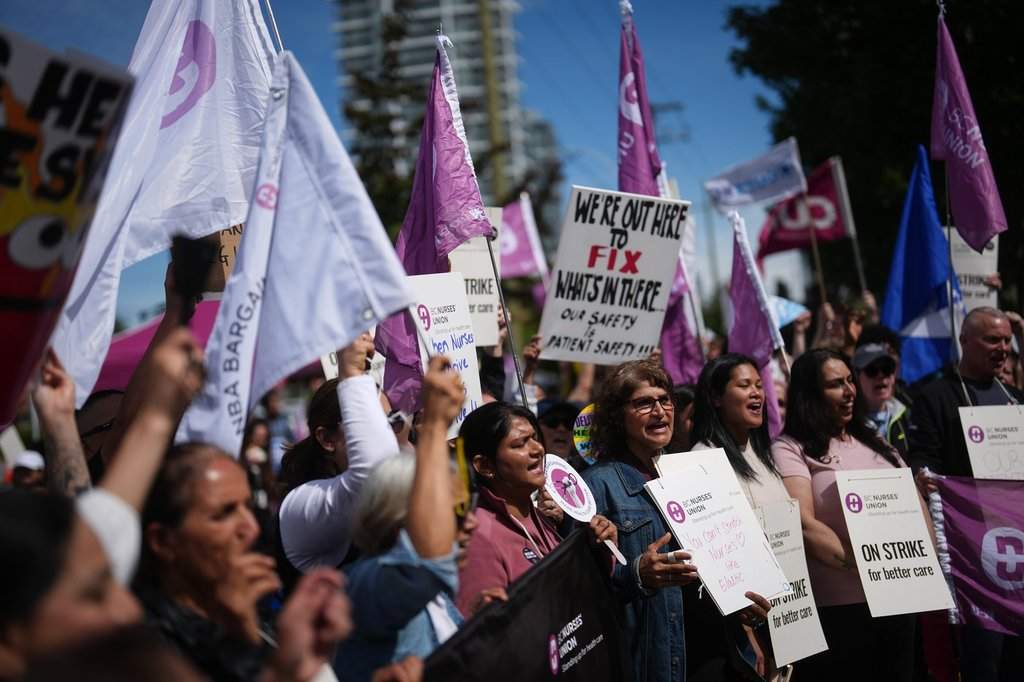
The British Columbia Nurses' Union (BCNU) confirmed Thursday that the binding arbitration process, launched after a three‑week summer picket, has reached a final verdict, ending the most recent labour standoff in the province’s health sector. The arbitration addressed outstanding compensation demands that mediation could not resolve, including a contested wage uplift and retroactive pay adjustments.
The dispute, which saw nurses from hospitals, community health centres and long‑term care facilities assemble on picket lines across Vancouver, Victoria, Kelowna and smaller regional centres, disrupted elective procedures and placed additional strain on already‑stretched emergency departments. While mediation earlier in the summer settled issues like staffing ratios and vacation entitlements, the remaining financial grievances required a neutral arbitrator’s ruling to avoid further work stoppages.
BCNU President Kathy McLeod issued a statement praising the arbitrator’s decision as “fair and forward‑looking,” emphasizing that the outcome restores stability for both members and patients. The provincial Ministry of Health, represented by Deputy Minister Lisa Horgan, welcomed the conclusion, noting that the agreement will allow health authorities to refocus on service delivery and recruitment initiatives.
In-Depth Analysis & Key Details
The current arbitration is the latest chapter in a decade‑long pattern of labour tension between BC’s public‑sector unions and the provincial government, which has repeatedly sought to contain health‑care costs amid rising demand. Historically, the province introduced wage freezes in 2019, prompting unions to pursue collective bargaining strategies that blend mediation with arbitration to secure incremental gains. This dual‑track approach reflects a broader Canadian trend where public‑sector workers leverage arbitration as a backstop when negotiations stall.
Regulatory frameworks governing public‑sector arbitration in British Columbia grant arbitrators authority to issue binding resolutions on compensation, but they cannot mandate policy changes such as staffing ratios, which remain under the purview of collective agreements. Consequently, while the arbitration settled monetary issues, broader systemic concerns—like chronic understaffing and burnout—persist, fueling ongoing debate among health‑policy analysts about the adequacy of current bargaining mechanisms.
Industry observers note that the 3.5% wage increase aligns with inflation trends but falls short of the 5% growth target advocated by the union. Labor economists point out that the arbitration’s retroactive component, covering six months of unpaid wages, will impose a one‑time fiscal impact on the health ministry’s budget, potentially influencing future fiscal planning and prompting the government to reassess its cost‑containment strategies.
"The arbitrator’s ruling bridges the gap between fiscal prudence and frontline realities, delivering a compromise that safeguards patient care while acknowledging nurses’ legitimate compensation claims."
Why This Matters & What Lies Ahead
For patients across British Columbia, the end of the arbitration means a swift return to regular appointment schedules, reduced wait times for elective surgeries, and restored confidence in the stability of the health‑care system. For the nursing workforce, the settlement provides a concrete financial uplift and retroactive pay, which can alleviate immediate economic pressures and improve morale after a protracted period of industrial action.
Looking ahead, the agreement sets a precedent for how future disputes may be resolved, especially as the province prepares its 2025 health‑care budget. Stakeholders will watch for the provincial government's next round of negotiations on staffing levels, a topic slated for discussion at the upcoming health‑care financing summit in early 2027. Additionally, the arbitration outcome may influence other public‑sector unions contemplating similar strategies, making the forthcoming legislative reviews of BC’s arbitration statutes a critical watch point for labor advocates and policymakers alike.
Source: Reported by Global News BC · Analyzed & Synthesized by DNB Newsroom


