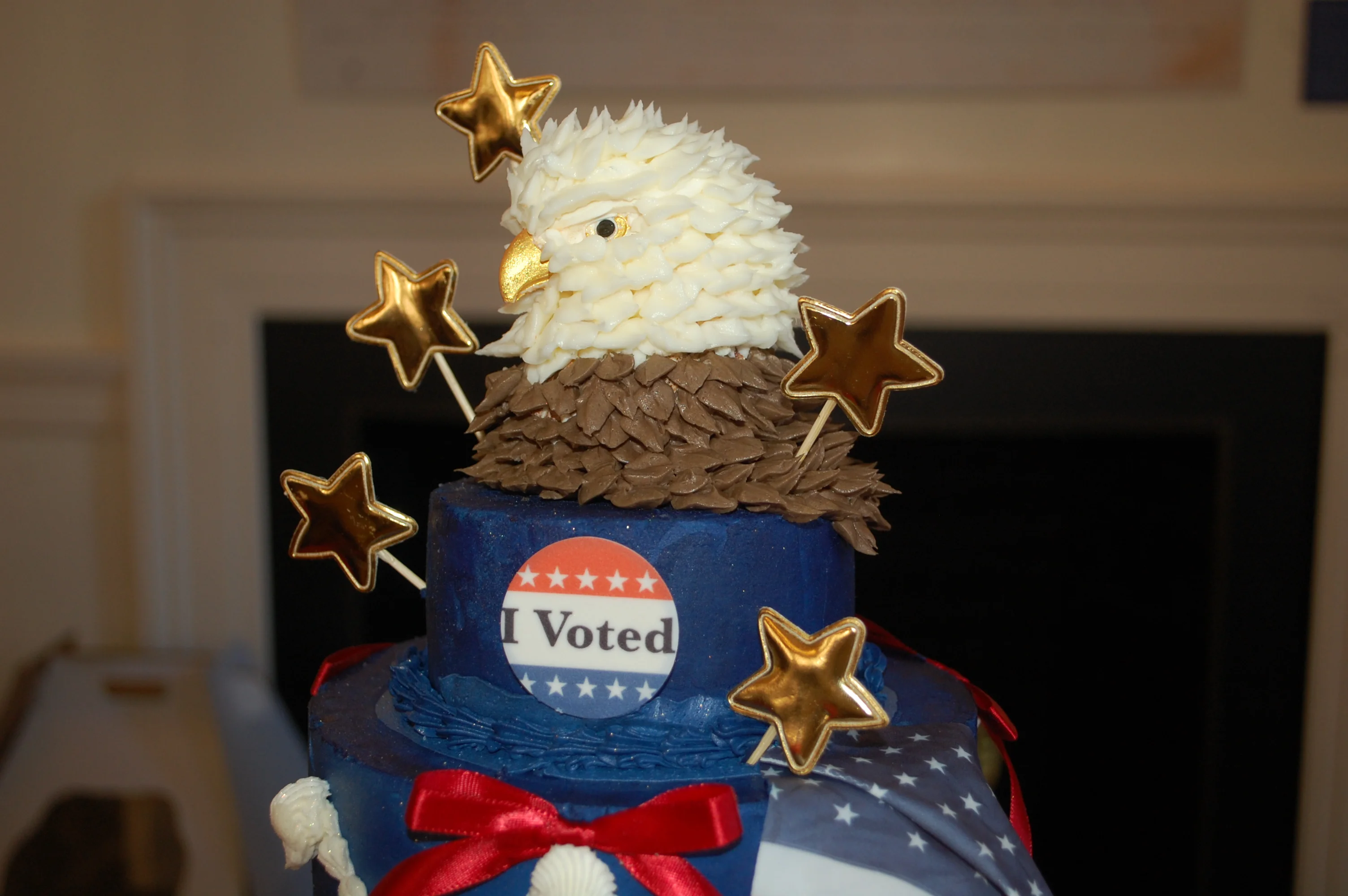
Hartford‑based pastry chefs, led by veteran baker Nicole Sousa, coordinated a statewide rollout of election‑themed confections on Tuesday, aiming to inject a dose of optimism into a politically charged atmosphere. The initiative, organized through the Connecticut Bakers Association, saw dozens of shops bake cupcakes, pies and custom‑decorated loaves emblazoned with ballot‑box motifs, delivering them to polling locations from Greenwich to Norwich.
The effort centered on the historic Old Statehouse, where Sousa narrated the lineage of election cakes that dates back to the pre‑Revolutionary era. Volunteers set up a temporary “Cake Corner” inside the building’s lobby, offering free samples to voters as they checked in, while a live‑streamed interview highlighted the symbolic link between nourishment and the nourishment of democracy.
State officials, including Secretary of the State’s Office spokesperson Maria Delgado, praised the collaboration as a creative public‑service partnership. “When citizens see a slice of cake waiting for them, it reinforces the idea that voting is both a right and a shared celebration,” Delgado said, adding that the program could serve as a model for other states seeking to boost participation through community‑driven outreach.
In-Depth Analysis & Key Details
The practice of gifting election cakes emerged in colonial New England, where local taverns and bakeries would present sweet treats to voters as a token of gratitude and a reminder of communal responsibility. By the early 19th century, the custom waned as industrialization shifted civic rituals toward more formalized venues. Today’s resurgence reflects a broader cultural shift toward experiential engagement, where food functions as a conduit for political messaging.
Regulatory bodies have historically been cautious about overt political messaging in commercial settings, but the Connecticut initiative skirts partisan lines by focusing on the act of voting itself. Legal scholars note that the state’s endorsement of a neutral, celebratory gesture aligns with First Amendment protections while avoiding the pitfalls of corporate political speech. Economically, the campaign offers a modest stimulus to the state’s $3.2 billion bakery sector, which has struggled with post‑pandemic labor shortages and rising ingredient costs.
Experts in civic psychology argue that tangible incentives—such as a slice of cake—activate the brain’s reward pathways, potentially increasing the likelihood of voter participation. Dr. Elena Ramirez, a professor of political behavior at the University of Connecticut, points out that the sensory experience of taste can reinforce abstract civic concepts, making the act of voting feel more personal and less bureaucratic.
"A piece of cake may seem simple, but it’s a reminder that democracy, like baking, requires the right ingredients, patience, and a willingness to share the results with the whole community."
Why This Matters & What Lies Ahead
For ordinary Connecticut residents, the cake initiative transforms a routine civic duty into a moment of shared joy, encouraging first‑time voters and reinforcing community bonds in neighborhoods where political disengagement has been rising. Small‑business owners also stand to benefit from heightened foot traffic and media exposure, creating a virtuous cycle that links local economies with democratic health.
Looking ahead, the state plans to evaluate the program’s impact on voter turnout through a post‑election survey, with results slated for release ahead of the 2028 electoral cycle. Lawmakers are already debating whether to codify the “Civic Confection” model into a broader civic‑engagement framework, potentially extending similar initiatives to public libraries, parks and municipal events across the Northeast.
Source: Reported by NPR · Analyzed & Synthesized by DNB Newsroom


