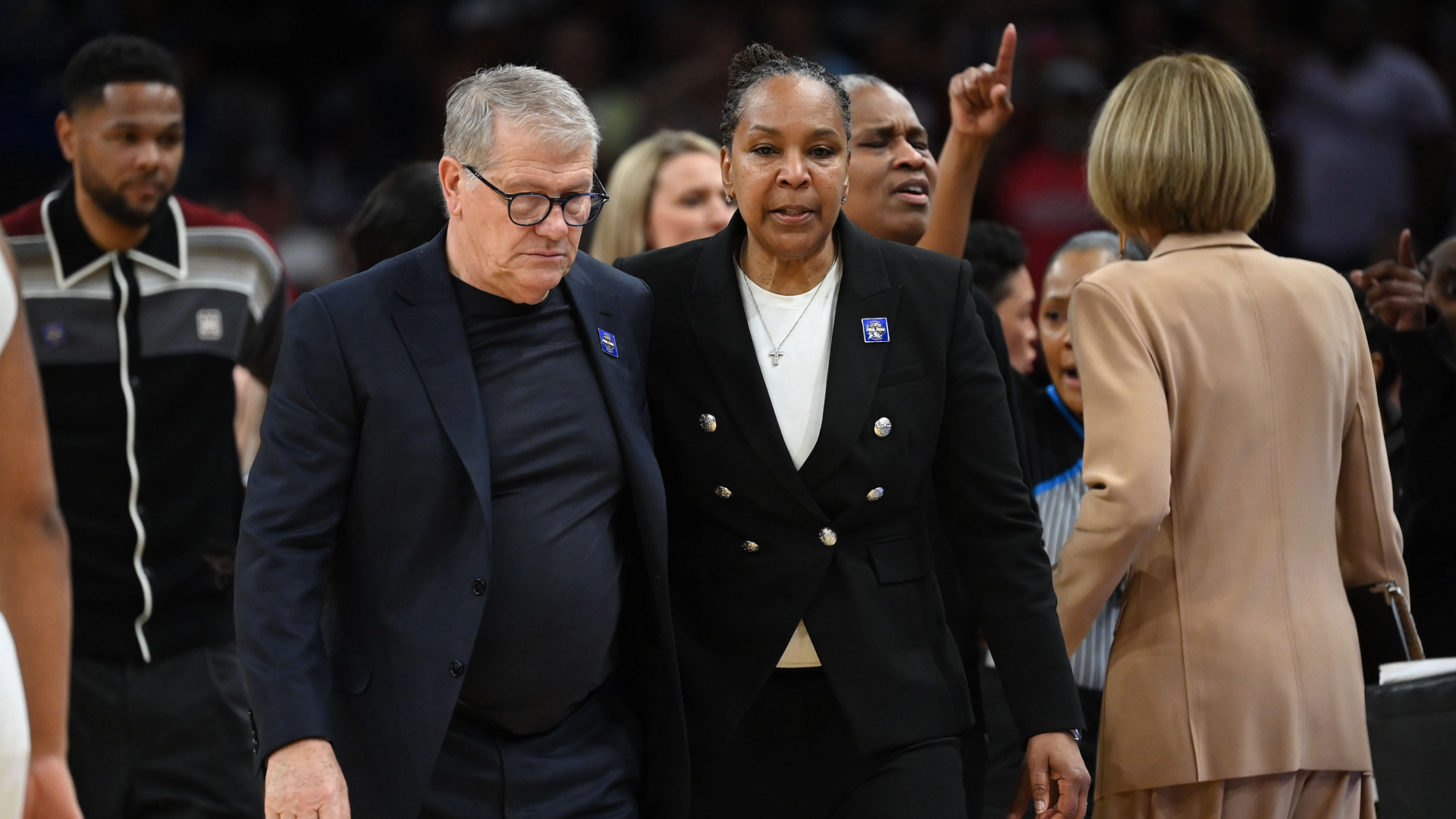
The basketball world turns its attention to the resumption of one of the most intense rivalries in collegiate athletics, as the University of Connecticut Huskies host the University of South Carolina Gamecocks on Tuesday. This matchup is not merely a regular-season fixture but a pivotal moment for both head coaches, Geno Auriemma and Dawn Staley, who are set to face off again after the acrimony that characterized their previous meeting in the Final Four. The anticipation surrounding this game is heightened by the unresolved tensions from last season's tournament, creating a charged atmosphere that extends beyond the hardwood and into the broader narrative of women's basketball leadership.
The operational context of this game is defined by the high stakes of conference play and the national spotlight that follows both programs. UConn, traditionally the powerhouse of the Big East, seeks to maintain its status as a perennial contender, while South Carolina, a dominant force in the ACC, aims to prove its resilience and offensive prowess on a hostile court. The geographical and logistical preparation for this game involves extensive scouting and strategic adjustments, with both coaching staffs focusing on neutralizing the other's key strengths. The venue, likely the Gampel Pavilion in Storrs, Connecticut, will be filled with a passionate fan base that adds an additional layer of psychological pressure on the visiting Gamecocks.
Official remarks from both coaching staffs have been measured yet firm, emphasizing respect for the opponent while underscoring the competitive fire that drives their teams. Auriemma has historically focused on defensive integrity and ball security, areas that were scrutinized in the previous season's finale. Staley, known for her innovative offensive schemes, has highlighted the importance of execution and composure under pressure. Stakeholders, including athletic directors and conference officials, view this game as a barometer for the health and competitiveness of the sport, with the outcome potentially influencing media rights discussions and fan engagement metrics for the remainder of the season.
In-Depth Analysis & Key Details
The historical background of the UConn-South Carolina rivalry is rooted in the evolution of women's college basketball from a niche sport to a mainstream phenomenon. The previous season's Final Four encounter was marked by significant controversy, with allegations of unsportsmanlike conduct and officiating disputes that dominated post-game discourse. This incident has left a lasting impact on the relationship between the two programs, with both sides navigating the delicate balance of competitive intensity and professional decorum. The structural forces at play include the increasing commercialization of the sport, where high-profile matchups are leveraged for media exposure and recruitment, adding an economic dimension to the on-court competition.
Competing perspectives on the rivalry highlight the differing philosophies of Auriemma and Staley. Auriemma's approach is often characterized by traditional values, emphasizing discipline, teamwork, and a conservative defensive strategy. In contrast, Staley's methodology is more modern and aggressive, focusing on pace, space, and individual talent development. This ideological clash is not just a tactical battle but a reflection of broader debates within the sport regarding the direction of coaching and player development. The economic consequences of these differing approaches are evident in the market value of the players and the institutional prestige of the universities, with both programs competing for top-tier recruits and fan loyalty.
Expert domain context suggests that the outcome of this game will be influenced by several key factors, including the health of star players, the effectiveness of defensive rotations, and the ability to manage foul trouble. Industry analysts observe that the psychological aspect of the game cannot be overlooked, as the memory of the previous season's finale may affect the players' mindset and decision-making. The regulatory environment, including NCAA rules on eligibility and competition, also plays a role in shaping the strategic decisions of both coaching staffs, ensuring that the game remains within the bounds of fair play while maximizing competitive advantage.
"The true measure of these two programs is not just the score on the board, but the ability to rise above past controversies and deliver a performance that honors the integrity of the game."
Why This Matters & What Lies Ahead
For everyday readers and fans, this game represents a significant moment in the cultural landscape of women's sports, where the rivalry between UConn and South Carolina serves as a proxy for broader discussions about excellence, ethics, and the future of the sport. The outcome will have direct implications for the national rankings and the seeding of the NCAA tournament, affecting the paths of both teams and their potential opponents. Additionally, the game's performance will influence media coverage and fan engagement, with high-quality play and respectful competition likely to enhance the sport's reputation and attract new audiences.
Upcoming milestones to watch include the conclusion of the regular season, conference tournaments, and the NCAA tournament selection Sunday. These events will determine the final standings and the potential matchups in the postseason, with the UConn-South Carolina rivalry potentially extending into the national championship game. Regulatory votes and policy changes within the NCAA, such as those related to player compensation and conference realignment, will also impact the long-term stability and competitiveness of both programs. Fans and stakeholders should monitor these developments closely, as they will shape the future of women's college basketball and the legacy of the Auriemma-Staley rivalry.
Source: Reported by CBS Sports · Analyzed & Synthesized by DNB Newsroom