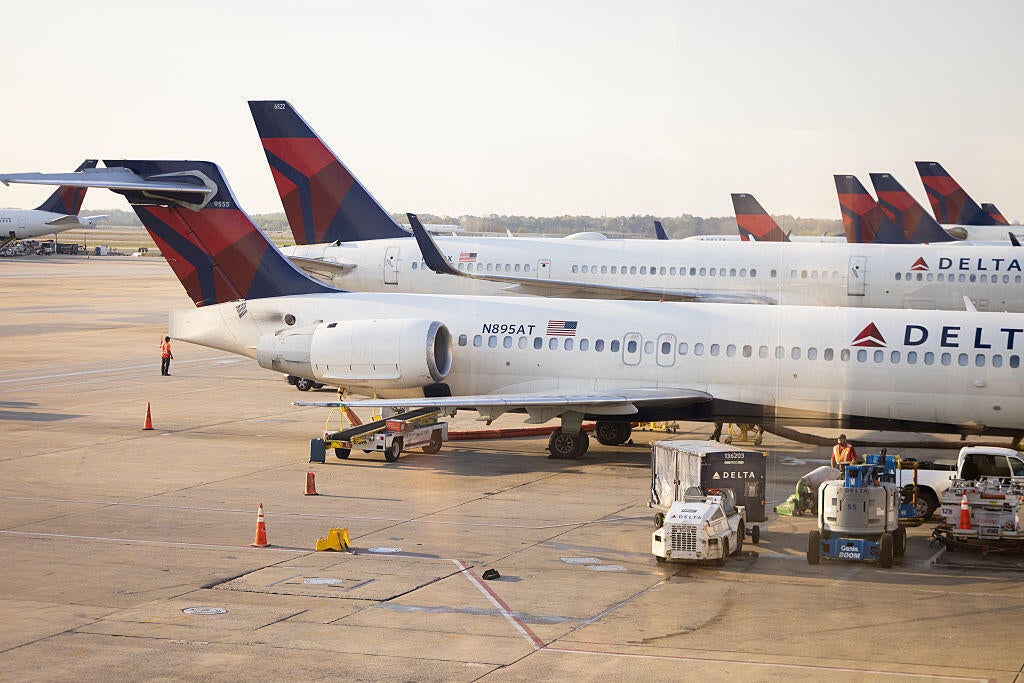
Hartsfield-Jackson Atlanta International Airport, the central nervous system of the United States commercial aviation network, faced a severe operational crisis on Sunday when a technical issue disrupted flight operations. The malfunction specifically affected Delta Air Lines, the airport's primary carrier, leading to the delay of more than 1,300 flights. This scale of disruption is rare and immediately raised concerns among passengers, airline staff, and aviation regulators about the resilience of the hub's digital and physical infrastructure.
The geographical and operational context of the incident is critical; Atlanta serves as a major connecting point for domestic and international travel. When a hub of this magnitude experiences a technical outage, the impact is not limited to direct flights but extends to connecting passengers across the country. The delay of over 1,300 flights suggests a systemic issue rather than isolated equipment failures, potentially involving ground control systems, baggage handling networks, or communication arrays that coordinate the flow of aircraft and personnel.
In the immediate aftermath, airline officials and airport authorities moved to stabilize operations. While specific technical details of the malfunction have not been fully disclosed, the focus shifted to clearing the backlog and ensuring the safety of all passengers. Stakeholders, including Delta Air Lines and the Atlanta airport authority, are coordinating to restore normalcy, though the full recovery of the schedule may take several days due to the compounding nature of flight delays.
In-Depth Analysis & Key Details
The incident at Atlanta serves as a stark reminder of the historical vulnerabilities inherent in the hub-and-spoke model of modern aviation. While this model maximizes efficiency and connectivity, it also creates single points of failure. Historical data from previous major outages at hubs like Chicago O'Hare and Denver International Airport indicates that technical failures can lead to prolonged disruptions, often lasting 24 to 48 hours as crews, aircraft, and passengers are reallocated. The structural forces at play include the increasing complexity of airport management systems, which integrate weather data, air traffic control, and airline scheduling into a single digital ecosystem.
From a regulatory and economic perspective, such disruptions highlight the tension between operational efficiency and redundancy. Industry analysts observe that while airlines invest heavily in predictive maintenance and digital upgrades, the sheer volume of flights at a hub like Atlanta makes complete redundancy costly and logistically challenging. The economic consequences are significant, with potential losses in ticket revenue, compensation claims, and reputational damage. Furthermore, the incident may prompt regulatory bodies to review the standards for technical infrastructure at major U.S. airports, potentially leading to new guidelines for fail-safe mechanisms and emergency response protocols.
Expert domain context suggests that the root cause of such outages often lies in the intersection of legacy hardware and modern software implementations. Aviation safety advocates note that while the immediate risk to passenger safety is low, the operational risk is high. The event underscores the need for continuous investment in infrastructure modernization and the development of robust contingency plans that can withstand unexpected technical failures. The broader implication is a renewed focus on the resilience of critical national infrastructure in an era of increasing digital dependency.
"In the high-stakes environment of modern aviation, a single technical glitch at a major hub can ripple across the entire national network, exposing the delicate balance between efficiency and resilience."
Why This Matters & What Lies Ahead
For everyday readers and travelers, this incident represents a direct disruption to personal plans, business travel, and the broader economy. The delay of over 1,300 flights means thousands of passengers faced missed connections, hotel costs, and significant inconvenience. Beyond the immediate travel impact, the event highlights the fragility of the U.S. transportation system, which is a critical component of the national economy. Businesses that rely on timely air cargo and executive travel may face operational challenges, and the incident could influence consumer confidence in airline reliability. The financial markets may also react to the news, with potential short-term dips in airline stocks as investors assess the cost of recovery and potential regulatory changes.
Looking ahead, key milestones to monitor include the official investigation report from the Federal Aviation Administration (FAA) and the National Transportation Safety Board (NTSB), if they decide to open a formal inquiry. These reports will provide detailed insights into the technical cause of the outage and the effectiveness of the airline's and airport's response. Additionally, stakeholders should watch for any legislative or regulatory actions aimed at improving the resilience of major airport infrastructure. The coming weeks will be crucial in determining whether this incident leads to meaningful changes in how major hubs manage technical risks, potentially setting new standards for the industry.
Source: Reported by ABC News · Analyzed & Synthesized by DNB Newsroom