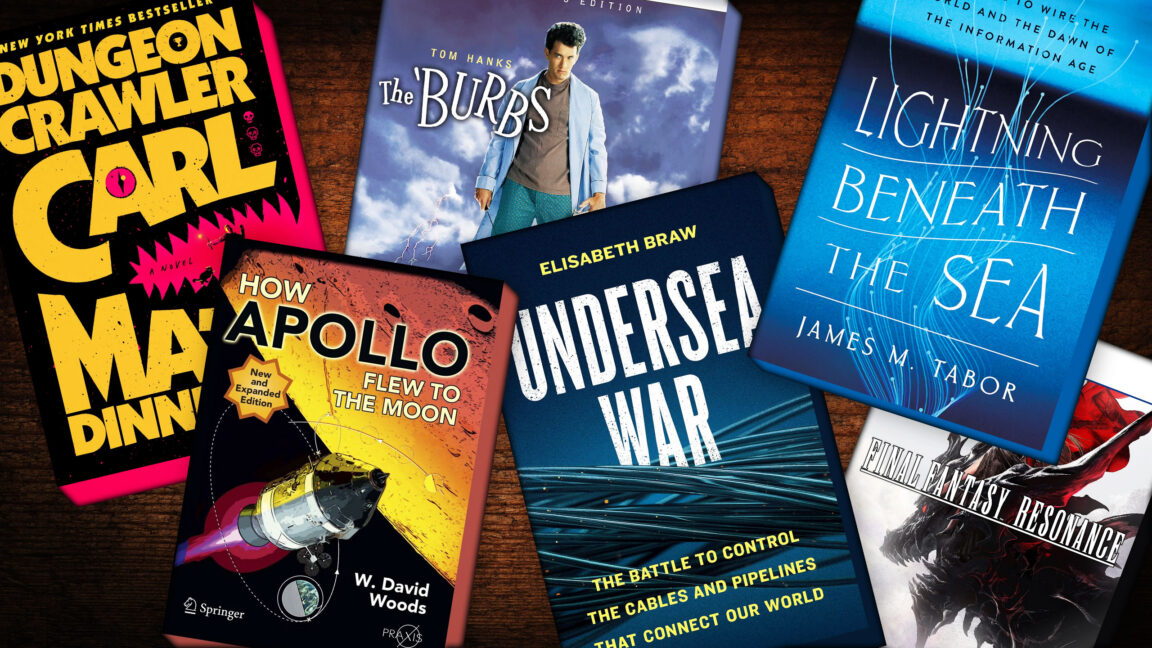
Ars Technica, a prominent technology news outlet, has officially released its annual holiday gift guide for the 2026 season. The publication conducted an internal survey among its editorial team to identify the most compelling and desirable items purchased or recommended by staff members during the year. The resulting list serves as a vetted resource for readers seeking high-quality gifts that align with the interests of technology enthusiasts and general consumers alike.
The curated selection spans multiple distinct categories, moving beyond the traditional focus on smartphones and laptops. Notable inclusions in the 2026 list are physical books, which cater to readers seeking intellectual engagement, and bicycles, which appeal to those interested in sustainable urban mobility and fitness. Additionally, the list features specific home entertainment items, such as media releases of the film 'The Burbs,' indicating a continued appreciation for classic cinema and high-fidelity home theater setups among the staff.
This annual feature is a staple of Ars Technica’s editorial calendar, designed to provide practical, expert-vetted advice during the peak holiday shopping period. By aggregating the personal choices of its staff, the outlet offers a transparent look into the consumption habits of those who analyze the technology industry. The list is presented as a definitive guide for buyers looking to make informed purchasing decisions based on peer-reviewed recommendations from industry insiders.
In-Depth Analysis & Key Details
The selection of items for the 2026 gift list reflects broader structural shifts in consumer behavior within the technology sector. While the industry is often perceived as hyper-focused on the latest hardware iterations, the inclusion of physical books and bicycles suggests a counter-trend toward durability, sustainability, and offline experiences. This aligns with growing industry observations that consumers are increasingly valuing long-term utility and environmental impact over rapid obsolescence and disposable tech.
From a market perspective, the prominence of home entertainment items like 'The Burbs' highlights the enduring strength of the physical media and home theater markets. Despite the dominance of streaming services, there remains a robust niche for collectors and enthusiasts who prioritize high-quality video and audio formats. This segment of the market continues to thrive, driven by consumers who view media consumption as a curated experience rather than a passive utility.
The internal polling method used by Ars Technica provides a unique qualitative data point for understanding niche consumer preferences. By relying on the personal experiences of its staff, the publication avoids the biases often associated with algorithmic recommendation engines. This approach ensures that the recommendations are grounded in real-world usage and satisfaction, offering a more authentic perspective on what constitutes a high-value gift in the current economic landscape.
"The 2026 gift list signals a decisive pivot toward tangible, durable, and experiential value, challenging the prevailing narrative that technology consumption is solely about the latest digital gadget."
Why This Matters & What Lies Ahead
For consumers, this gift guide provides a trusted source of recommendations that are free from corporate sponsorship influence, allowing buyers to make decisions based on genuine peer recommendations. The focus on items like bicycles and books also touches on broader societal trends, including the growing importance of sustainable transportation and the value placed on intellectual and cultural enrichment. These choices reflect a desire for products that offer long-term satisfaction and contribute positively to personal well-being and environmental stewardship.
Looking ahead, industry analysts will monitor whether these preferences translate into broader market trends for the 2026 holiday season. Retailers and manufacturers may adjust their inventory and marketing strategies to align with the demand for durable, non-electronic, or hybrid-tech products. The success of such items will provide valuable insights into the evolving priorities of tech-savvy consumers, potentially influencing product development and investment decisions in the coming years.
Source: Reported by Ars Technica · Analyzed & Synthesized by DNB Newsroom


