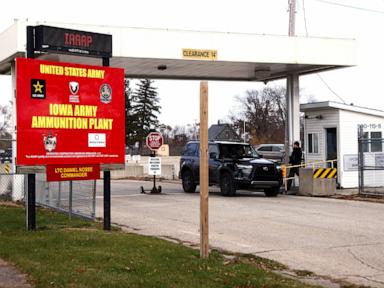
The U.S. Army has finalized its schedule for a significant controlled detonation at the Iowa Army Ammunition Plant in Middletown, setting the event for approximately 9:00 a.m. Central Time on Wednesday. This operation involves the disposal of lead azide, a chemical compound known for its extreme sensitivity to shock and friction, which has been stored at the facility for an extended period. The announcement marks the culmination of a complex planning phase that saw multiple postponements due to evolving safety assessments and logistical constraints, underscoring the high level of caution required when handling such volatile materials.
The Iowa Army Ammunition Plant, a critical node in the nation's munitions supply chain, is located in a rural area of Iowa where the intersection of military operations and civilian community life is a constant point of negotiation. The detonation site is situated within the plant's secured perimeter, but the blast radius and potential for airborne particulates have necessitated the establishment of temporary exclusion zones. Local authorities have been briefed on the operational timeline, and residents in the immediate vicinity have been advised to monitor official channels for real-time updates regarding traffic disruptions and safety precautions during the morning hours.
Army officials emphasized that the decision to proceed with the detonation was made only after a thorough review of meteorological conditions and safety protocols. The operation is designed to safely neutralize the hazardous stockpile, thereby reducing the long-term risk of accidental ignition or environmental contamination. Initial responses from local stakeholders have been largely supportive of the Army's commitment to transparency, with community leaders acknowledging the importance of removing such dangerous materials from active storage. The Army has pledged to conduct a post-detonation environmental assessment to ensure that air and soil quality remain within regulatory limits.
In-Depth Analysis & Key Details
The scheduled detonation of lead azide at the Iowa Army Ammunition Plant is not an isolated incident but rather a symptom of broader structural challenges facing the U.S. defense industrial base. Many of the Army's legacy ammunition facilities were constructed decades ago, often with storage methods that are now considered outdated or insufficiently secure by modern safety standards. The presence of lead azide, a material that has fallen out of favor in modern munitions due to its instability, highlights the difficulty of managing obsolete inventory. The delays in this specific operation reflect the bureaucratic and technical hurdles inherent in coordinating large-scale hazardous material disposals, where any deviation from protocol can result in significant liability and public scrutiny.
From a regulatory perspective, the event sits at the intersection of military operational requirements and environmental compliance. The Army must balance the imperative to clear hazardous stockpiles with the need to demonstrate zero harm to the surrounding ecosystem. This tension is particularly acute in rural communities like Middletown, where the local economy may depend on the continued presence of the military installation, yet residents are increasingly vocal about their right to a safe environment. Industry analysts observe that such operations often serve as test cases for new disposal technologies and safety frameworks, which may be adopted across other DoD facilities facing similar inventory challenges.
The technical intricacies of detonating lead azide require a nuanced understanding of chemical stability. Unlike bulk explosives, lead azide is a primary explosive that can detonate from minimal stimuli, meaning the disposal method must be precise to avoid chain reactions. The Army's decision to use a controlled detonation rather than other disposal methods, such as incineration or burial, suggests a preference for complete neutralization. This approach, while more complex, offers the highest degree of certainty that the material will not pose a future threat. The success of this operation will likely inform future protocols for handling sensitive explosives at other U.S. military installations, potentially setting a new standard for hazardous material management in the defense sector.
"The controlled detonation of lead azide is not merely a logistical task; it is a critical test of the Army's ability to modernize its infrastructure while safeguarding the communities that host our nation's defense assets."
Why This Matters & What Lies Ahead
For the residents of Middletown and the broader Iowa region, the successful execution of this detonation represents a tangible improvement in local safety and environmental health. The removal of a highly sensitive explosive from storage reduces the risk of accidental incidents that could have devastating consequences for both human life and the local ecosystem. Furthermore, the Army's commitment to transparency and community engagement in this process sets a precedent for how military operations should be conducted in close proximity to civilian populations. This collaboration is essential for maintaining public trust and ensuring that military installations can continue to operate effectively without compromising the well-being of nearby residents.
On a national scale, the outcome of this operation has implications for the Department of Defense's budget and strategic planning. If the Army can demonstrate that it can safely and efficiently dispose of hazardous legacy materials, it may strengthen its case for additional funding to upgrade other aging facilities. Conversely, any complications or environmental violations could lead to increased regulatory oversight and potential legal liabilities. Stakeholders, including legislators and environmental advocates, will be closely monitoring the post-detonation reports to assess the Army's adherence to safety and environmental standards. The coming weeks will be crucial for determining whether this operation serves as a model for best practices in hazardous material management or a cautionary tale about the risks of delaying necessary remediation efforts.
Source: Reported by ABC News · Analyzed & Synthesized by DNB Newsroom