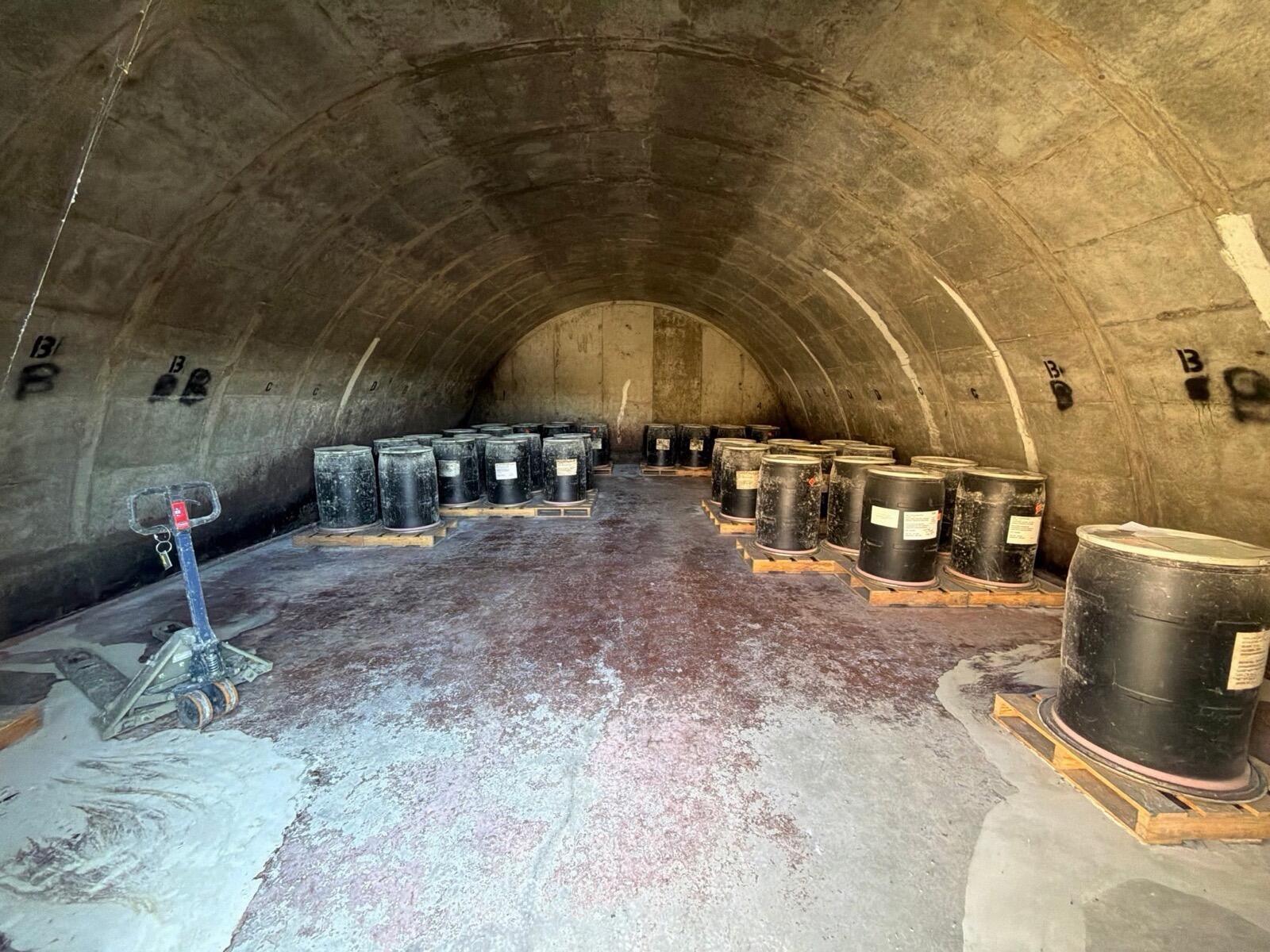
The U.S. Army has confirmed that it will proceed with the detonation of a hazardous stockpile of degrading explosives at a munitions plant in Iowa on Wednesday. This decisive action follows several days of high-stakes back-and-forth between legislative representatives and judicial bodies, which had cast uncertainty over the timing and legality of the operation. The primary driver for this immediate intervention is the unstable nature of the lead-based explosives, which pose a significant risk of accidental ignition or environmental contamination if left in their current state.
The facility in question is a key node in the military’s supply chain for munitions, and the presence of deteriorating materials represents a critical safety vulnerability. The geographical context of the plant, situated in Iowa, places the operation in close proximity to civilian communities and agricultural land, amplifying the stakes of any potential mishap. The Army’s decision to move forward indicates that the risk assessment has reached a threshold where the danger of inaction outweighs the procedural hurdles previously raised by political and judicial stakeholders.
Official statements from the Department of Defense emphasize the necessity of removing the degrading explosives to prevent a catastrophic failure. While specific names of individual politicians or judges were not cited in the immediate wire report, the broader context suggests a complex interplay of local political concerns and federal judicial oversight. The Army’s stance is clear: the integrity of the stockpile can no longer be guaranteed, and immediate remediation is required to safeguard both military personnel and the surrounding public.
In-Depth Analysis & Key Details
This incident underscores the growing challenges associated with the management of aging military infrastructure and hazardous materials. The U.S. military holds vast stockpiles of munitions, many of which are decades old and subject to chemical degradation. The presence of lead in these explosives adds a layer of environmental complexity, as lead contamination is a persistent public health concern. The structural forces at play include the tension between rapid operational needs for safety and the slower, more deliberate pace of legal and political oversight.
The recent standoff between politicians and the courts reveals the deep-seated tensions that arise when federal authority intersects with local governance and judicial review. Industry analysts observe that such delays, even if brief, can exacerbate the risks associated with unstable materials. The economic consequences of a potential explosion, including cleanup costs, liability claims, and operational disruptions, far outweigh the administrative costs of expediting the detonation. This case highlights a recurring pattern where bureaucratic and legal processes may inadvertently increase risk in high-stakes safety scenarios.
From a technical perspective, the degradation of explosives is a well-documented phenomenon, influenced by factors such as temperature, humidity, and the chemical composition of the propellants. Lead-based compounds are particularly concerning due to their toxicity and the difficulty of remediating lead contamination in soil and water. Aviation safety advocates and environmental regulators note that the Army’s decision to prioritize immediate detonation reflects a standard protocol for handling imminent hazards, where the probability of a catastrophic event necessitates swift action.
"The resolution of this standoff is not merely a procedural victory; it is a critical acknowledgment that the stability of hazardous military assets cannot be held hostage to political or judicial delays when public safety is at immediate risk."
Why This Matters & What Lies Ahead
For everyday readers and local communities in Iowa, this operation is a direct measure to prevent a potential environmental and health crisis. Lead contamination from exploding munitions can have long-lasting effects on local water supplies, soil quality, and public health. The successful completion of this detonation will mitigate these risks, ensuring that the surrounding area remains safe for residents and agricultural activities. Furthermore, this event serves as a reminder of the hidden dangers associated with military installations and the importance of transparent communication between federal agencies and local stakeholders.
Looking ahead, this incident may influence future legislative and judicial approaches to the management of hazardous military materials. Upcoming milestones to monitor include any subsequent environmental impact assessments, potential congressional hearings on military safety protocols, and court rulings that may set precedents for similar situations in other states. Regulatory bodies and industry groups will likely scrutinize the Army’s handling of this incident to determine if changes in policy or procedure are necessary to prevent future delays in critical safety operations.
Source: Reported by CBS News · Analyzed & Synthesized by DNB Newsroom