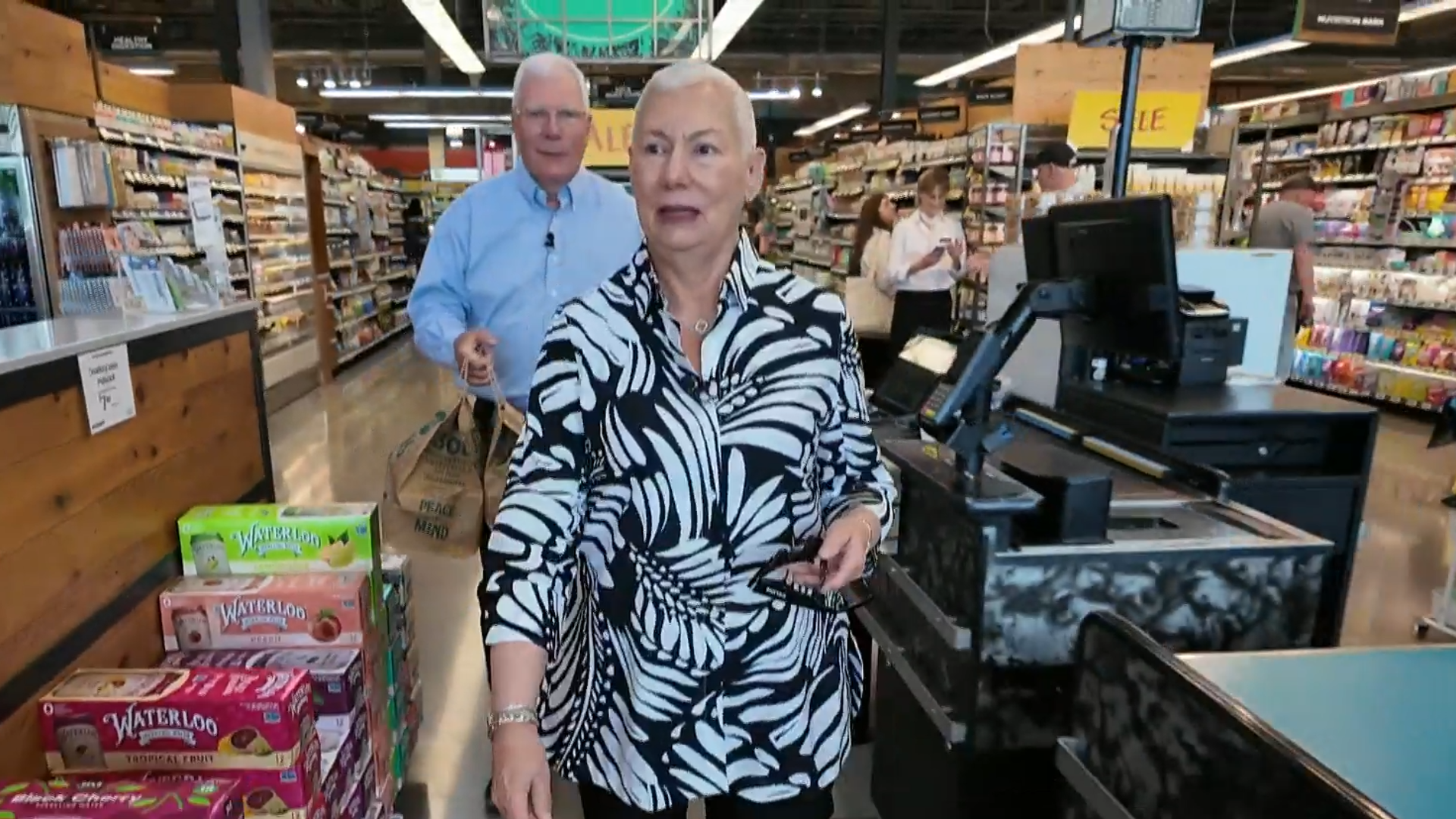
The United States Department of Agriculture confirmed that grocery prices have risen about one‑third between January 2019 and June 2026, a trajectory that has squeezed middle‑income budgets nationwide. In response, shoppers are increasingly turning to bulk‑buy clubs, private‑label alternatives, and community‑sharing programs to stretch every dollar.
Across metropolitan areas from Detroit to Phoenix, neighborhood pantries and “buy‑nothing” groups have proliferated, offering residents access to surplus produce and donated goods. Simultaneously, major retailers such as Walmart and Target have expanded their value‑brand shelves, while discount chains like Aldi and Lidl report record foot traffic as price‑sensitive consumers flock to lower‑cost aisles.
Federal Trade Commission spokesperson Jenna McAllister noted that the surge in consumer‑savings tools reflects “a broader shift in purchasing behavior driven by sustained inflationary pressure.” Industry groups, meanwhile, caution that while short‑term discounts ease household strain, they may also compress margins for small grocers and independent producers.
In-Depth Analysis & Key Details
The current price spike traces back to a confluence of pandemic‑induced supply chain disruptions, labor shortages, and heightened commodity costs that began in 2020. Over the past six years, the USDA’s Food Price Outlook has highlighted persistent volatility in meat, dairy, and produce markets, amplifying the baseline inflation that now exceeds the overall consumer price index.
Regulators and policymakers are debating whether targeted subsidies or tax incentives could alleviate the burden without distorting market competition. Some consumer‑advocacy coalitions argue for stronger enforcement of price‑gouging statutes, while trade officials warn that excessive intervention could impede imports that help stabilize supply. Meanwhile, analysts observe that the rise of digital rebate platforms—such as Ibotta and Fetch—has introduced a new layer of price competition, effectively turning everyday shopping into a quasi‑auction for discounts.
"When grocery bills outpace wages, shoppers become innovators, and the market reshapes around their ingenuity."
Why This Matters & What Lies Ahead
For the average American, the shift toward bulk buying, private‑label products, and rebate apps can mean the difference between food security and hardship, especially in low‑income neighborhoods where a single price increase can trigger a cascade of financial stress. The trend also pressures traditional supermarkets to rethink pricing strategies, potentially accelerating the consolidation of the grocery sector.
Legislators are slated to review a bipartisan bill next month that would fund community food hubs and expand SNAP eligibility thresholds. Concurrently, the Federal Trade Commission plans a hearing on digital rebate practices to assess their impact on competition and consumer transparency. These developments will shape how effectively households can sustain the savings tactics they have adopted.
Source: Reported by CBS News · Analyzed & Synthesized by DNB Newsroom