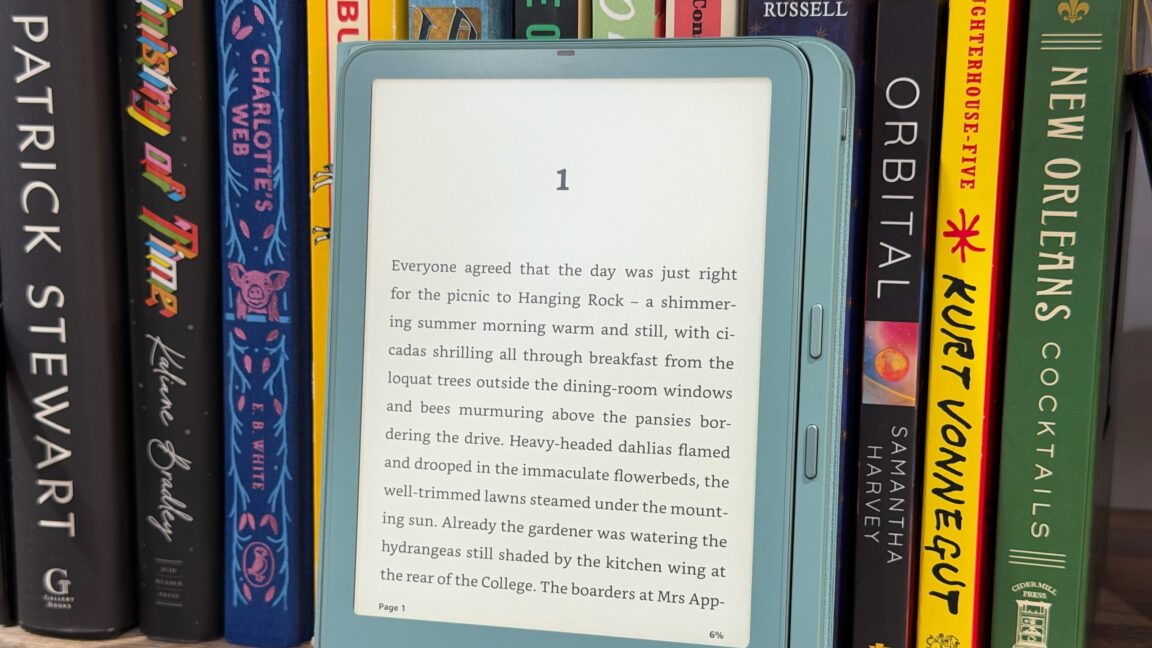
Amazon unveiled the refreshed Kindle Paperwhite on Monday, positioning it as the flagship of its e‑reading lineup. The device restores the beloved physical page‑turn buttons that were removed in 2020, a move welcomed by long‑time users who prefer tactile feedback.
The updated model ships with a 7‑inch 300‑ppi glare‑free display, adjustable warm light, and an enhanced waterproof rating, but it arrives with a price point that surpasses the previous generation’s launch cost. Retail listings show the new Paperwhite listed at a premium that places it above the $150 threshold, a notable jump in a segment traditionally anchored by affordability.
Amazon’s product chief, Jeff Carr, emphasized that the added hardware and display upgrades justify the higher price, citing “a more immersive reading experience for our customers.” Early reactions from consumer forums highlight enthusiasm for the buttons but also concern over the cost differential, prompting a mixed reception among the e‑reader community.
In-Depth Analysis & Key Details
The reintroduction of physical page‑turn keys reflects a broader industry trend of revisiting legacy features to differentiate products in a saturated market. Earlier Kindle iterations phased out hardware buttons in favor of touch navigation, a decision driven by cost savings and design minimalism. However, feedback loops from avid readers and a resurgence of interest in tactile interfaces have prompted manufacturers to reconsider.
Regulatory scrutiny over pricing practices in the digital‑goods sector has intensified as consumers face higher upfront costs for devices that serve as gateways to subscription services. Analysts note that Amazon’s pricing strategy may be calibrated to offset rising component costs, such as the shift to a higher‑resolution e‑ink panel and more robust waterproofing standards, while still preserving profit margins.
From a technical standpoint, the new Paperwhite’s display utilizes a next‑generation electrophoretic ink that delivers deeper contrast and faster refresh rates, features that were previously reserved for premium models. This convergence of high‑end specifications into a mainstream product underscores Amazon’s intent to consolidate its dominance amid growing competition from Kobo’s Aura line and Apple’s iPad Mini as secondary reading platforms.
"Restoring tactile page‑turn buttons while raising the price illustrates Amazon’s gamble that premium hardware will outweigh cost concerns for dedicated readers."
Why This Matters & What Lies Ahead
For everyday readers, the added buttons may improve accessibility and reduce eye strain associated with prolonged touch navigation, potentially expanding the device’s appeal to older demographics and those with motor‑skill challenges. However, the higher price could deter price‑sensitive consumers, nudging them toward cheaper alternatives or subscription‑only models, thereby reshaping market share dynamics.
The launch arrives ahead of the upcoming Federal Trade Commission review of digital‑device pricing, a hearing slated for early 2027 that will examine whether dominant platforms are leveraging market power to inflate hardware costs. Stakeholders will watch Amazon’s pricing trajectory closely, as it may set a benchmark for future e‑reader pricing and influence legislative proposals aimed at enhancing consumer affordability in the digital publishing ecosystem.
Source: Reported by Ars Technica · Analyzed & Synthesized by DNB Newsroom


