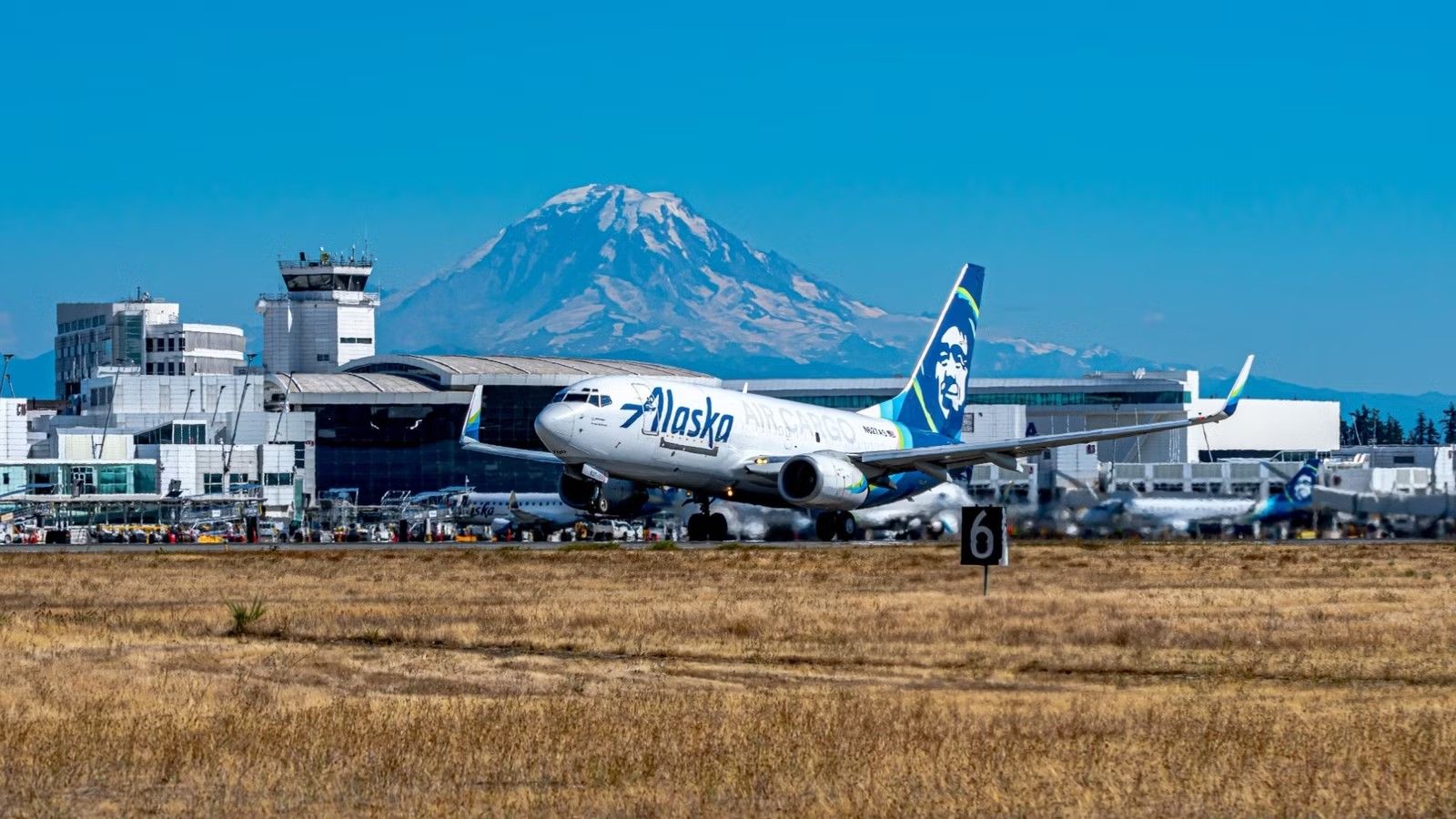
Alaska Airlines has confirmed its ongoing commitment to retiring its last Boeing 737-700 aircraft, replacing them with newer generations of the 737 family to bolster its primary operational routes. This strategic decision marks the final chapter for a specific variant that has served the carrier for decades, driven by the economic necessity of reducing lifecycle costs and the operational benefits of a more standardized fleet. The airline’s leadership emphasizes that this upgrade is not merely cosmetic but a fundamental restructuring of its asset base to ensure long-term viability in a competitive market.
The geographical focus of this transition is the 'Milk Run,' a colloquial term for the dense network of short-haul routes connecting major hubs in Alaska and the Pacific Northwest, such as Seattle, Portland, and Anchorage. These routes are critical to Alaska Airlines' identity and revenue, requiring aircraft that can turn quickly, operate efficiently on short legs, and withstand the varied weather conditions of the region. By swapping the 737-700s for larger or more modern variants, the airline aims to increase seat capacity per flight while maintaining the high frequency of service that defines these corridors.
Industry observers note that this move is part of a broader pattern among US carriers to retire older, less efficient aircraft in favor of newer models that meet stricter environmental regulations and offer superior passenger amenities. Alaska Airlines has historically been a pioneer in adopting new aircraft technologies, and this latest phase-out underscores its dedication to operational excellence. Stakeholders, including regional airports and tourism boards, view this upgrade positively, anticipating that improved reliability and modern cabins will enhance the overall travel experience for both business and leisure passengers.
In-Depth Analysis & Key Details
The retirement of the 737-700 fleet is rooted in the economic realities of aircraft maintenance and fuel consumption. Older aircraft, even when well-maintained, tend to have higher per-seat fuel burn rates and require more frequent and costly repairs as they age. For a carrier like Alaska Airlines, which operates in a region with high fuel costs and demanding weather conditions, these inefficiencies can quickly erode profit margins. By standardizing on newer 737 models, the airline can achieve economies of scale in training, maintenance, and supply chain management, leading to significant long-term savings.
From a regulatory and geopolitical perspective, the aviation industry is under increasing pressure to reduce carbon emissions. Newer aircraft variants are designed to meet stricter environmental standards, allowing carriers to comply with emerging regulations without incurring heavy penalties or carbon offsets. This transition also reflects a shift in passenger expectations, as travelers increasingly prioritize comfort, space, and modern amenities when choosing an airline. The 'Milk Run' routes, while short, are high-volume, and any improvement in passenger experience can translate into higher customer loyalty and market share.
Industry analysts observe that this fleet modernization is a competitive necessity rather than an optional upgrade. As low-cost carriers continue to expand into the Pacific Northwest, Alaska Airlines must differentiate itself through reliability, frequency, and service quality. The 737-700, while a workhorse, is no longer sufficient to meet these evolving standards. By investing in newer aircraft, the airline is positioning itself for future growth and resilience against market disruptions, such as fuel price volatility or supply chain issues.
"The retirement of the 737-700 fleet is not just a mechanical upgrade; it is a strategic realignment of Alaska Airlines' operational DNA for the next decade of sustainable aviation."
Why This Matters & What Lies Ahead
For everyday travelers, this fleet upgrade promises a more reliable and comfortable flying experience on the region's most critical routes. Passengers can expect fewer delays due to maintenance issues, more modern cabins, and potentially lower fares as operational efficiencies are passed on to consumers. This is particularly important for business travelers who rely on the 'Milk Run' for daily commutes, as well as tourists exploring Alaska and the Pacific Northwest, who benefit from increased service frequency and capacity.
Looking ahead, industry stakeholders should monitor the progress of this fleet transition and its impact on Alaska Airlines' financial performance and market share. Key milestones include the completion of the 737-700 retirement, the introduction of any new aircraft variants, and the airline's response to emerging regulatory requirements on emissions. Additionally, the competitive landscape in the Pacific Northwest will be closely watched, as other carriers may respond with their own fleet upgrades or service adjustments. The success of this modernization effort will serve as a case study for other regional carriers facing similar challenges.
Source: Reported by Simple Flying · Analyzed & Synthesized by DNB Newsroom