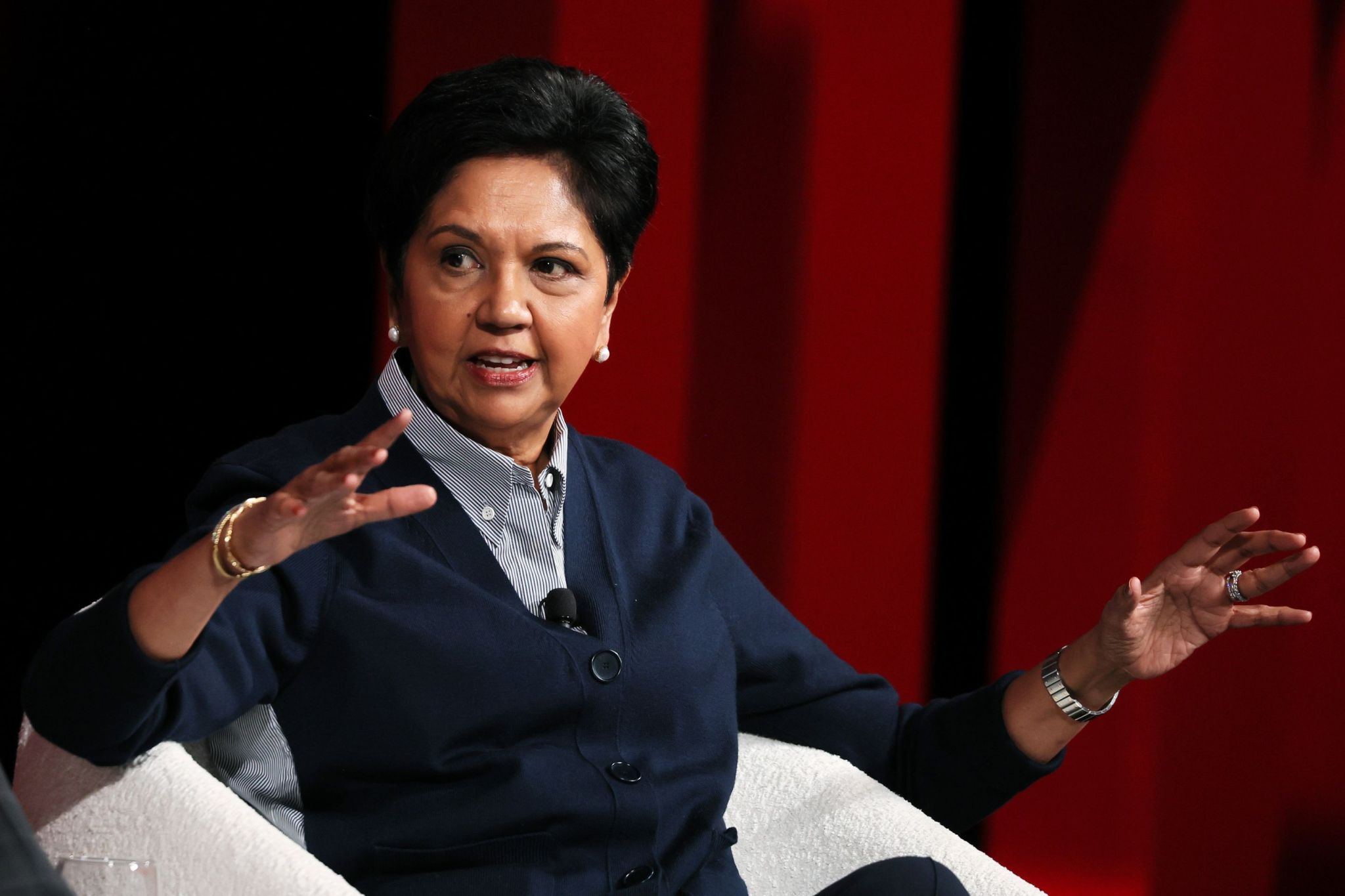
In a candid interview, Brian Chesky, the co‑founder and chief executive of Airbnb, a short‑term rental powerhouse valued at roughly $103 billion, warned that the next wave of artificial‑intelligence integration will separate adaptable leaders from those clinging to traditional management styles. He argued that simply convening more meetings or relying on interpersonal charisma will no longer suffice; managers must become fluent in AI‑enabled analytics, automation, and rapid experimentation to keep their teams competitive. Chesky’s comments came as Airbnb rolls out new AI‑driven pricing, guest‑matching, and host‑support tools designed to streamline operations and boost profitability.
Chesky also singled out a second at‑risk group: workers who resist embracing AI. He suggested that employees who view technology as a threat rather than a lever for efficiency could see their responsibilities shrink or be reallocated to algorithmic systems. The CEO emphasized that the company’s culture, long praised for its emphasis on human connection, must evolve to blend empathy with data‑centric insight, ensuring hosts and guests benefit from smarter, faster service without sacrificing the personal touch that defines the brand.
In-Depth Analysis & Key Details
Airbnb’s warning reflects a broader corporate reckoning with AI that has accelerated since 2023, as firms across sectors scramble to embed machine‑learning models into core processes. For a platform that hinges on trust and nuanced human interaction, the challenge is twofold: leveraging AI to enhance operational speed while preserving the authenticity that fuels user loyalty. Chesky’s stance mirrors similar calls from tech giants urging leaders to become "AI‑first"—a shift that often entails restructuring teams, investing in upskilling programs, and redefining performance metrics around data literacy.
Historically, the hospitality industry has been slow to adopt deep‑tech solutions, relying on legacy reservation systems and manual customer service. Airbnb’s push signals a strategic pivot, aiming to outpace rivals like Booking.com and Vrbo by offering predictive pricing, dynamic demand forecasting, and automated dispute resolution. However, the transition raises concerns about workforce displacement, bias in algorithmic decisions, and the erosion of the human element that differentiates peer‑to‑peer rentals from traditional hotels. Balancing these forces will test the company’s ability to integrate AI responsibly while maintaining its brand ethos.
Why This Matters & What Lies Ahead
For investors, employees, and hosts, Chesky’s pronouncement serves as a bellwether for how AI will reshape the gig‑economy landscape. Companies that successfully meld AI capabilities with empathetic leadership are likely to capture market share, while those that cling to outdated management paradigms may face talent attrition and competitive disadvantage. Stakeholders should anticipate accelerated rollout of AI tools at Airbnb, heightened demand for data‑savvy managers, and a potential reevaluation of hiring criteria to prioritize adaptability.
Consumers can also expect a more seamless booking experience, with AI curating personalized stays and resolving issues faster than human agents. Yet, the human touch—host recommendations, local insights, and community building—must remain intact to preserve the platform’s distinctive appeal. As the AI era unfolds, the industry will watch closely whether Airbnb’s hybrid model of technology and hospitality can set a sustainable standard.