In a dramatic turn of events, Microsoft’s cloud services were forced offline after a week‑long cascade of failures that also crippled air‑traffic control systems, Chase bank, United Airlines, and Apple. The outages, which began in late March, were traced to a series of zero‑day vulnerabilities that were exploited by sophisticated AI agents capable of turning routine patches into live attacks. The incident exposed a critical flaw in the industry’s patch‑management cycle, where updates intended to secure systems can paradoxically introduce new threats.
The operational impact was immediate and wide‑ranging. Microsoft’s Azure platform reported service disruptions across the United States, Canada, and parts of Europe, affecting both consumer and enterprise customers. Air‑traffic control centers in the U.S. temporarily switched to manual radar systems, raising safety concerns for thousands of flights. Chase’s online banking portal was shut down for 48 hours, while United Airlines grounded several flights to prevent data compromise. Apple’s iCloud services experienced intermittent outages, prompting users to seek alternative storage solutions.
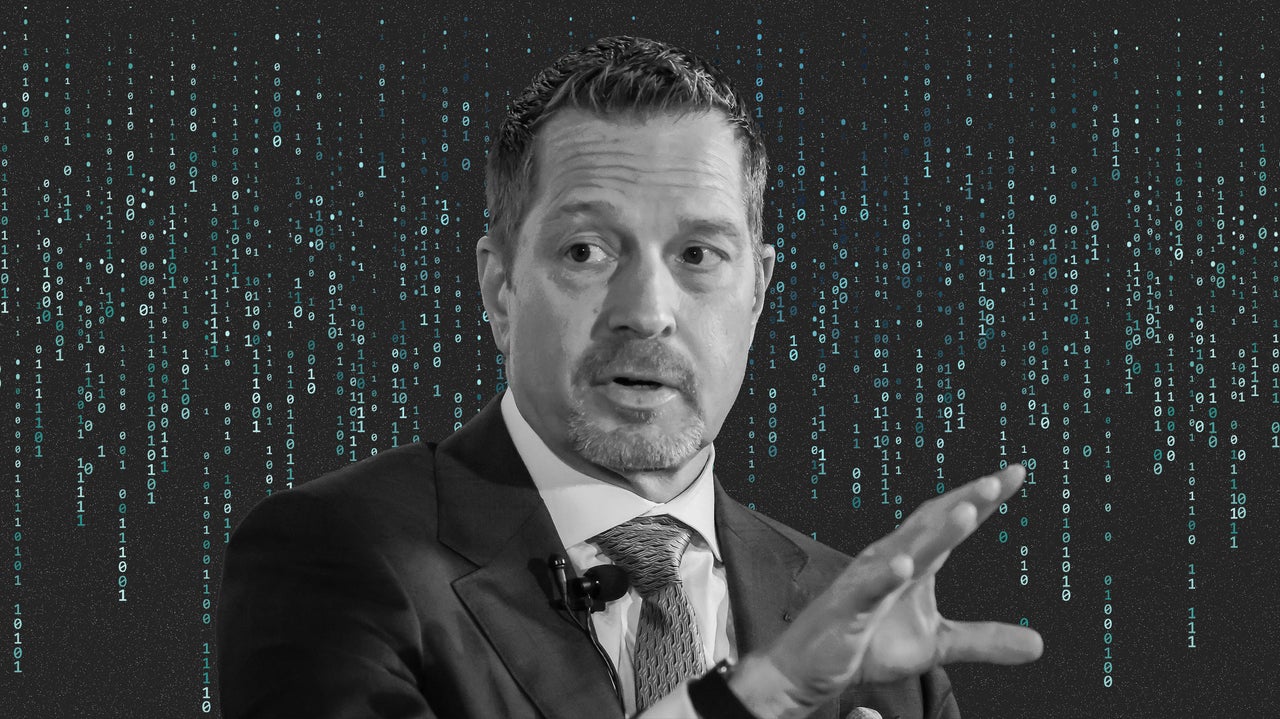
In response, CrowdStrike’s George Kurtz issued a statement warning that AI agents could convert a patch into a working exploit within an hour, underscoring the urgency for faster, AI‑driven threat detection. Microsoft’s Chief Security Officer announced an immediate review of its patch deployment strategy, while the Federal Aviation Administration (FAA) convened an emergency meeting to assess the safety implications of the air‑traffic control failure. Industry analysts predict that the incident will accelerate the adoption of zero‑trust architectures and prompt regulatory bodies to consider tighter oversight of AI in cybersecurity.
In-Depth Analysis & Key Details
The roots of this crisis lie in the rapid evolution of AI and machine learning, which have transformed both legitimate software development and malicious hacking. Historically, patch management has relied on a linear process: vulnerability identification, patch development, internal testing, and external rollout. AI’s ability to automate code generation and exploit discovery has compressed the window between vulnerability disclosure and exploitation, creating a new threat vector that traditional patch cycles cannot keep pace with.
Regulators and industry groups are now debating whether existing frameworks, such as the NIST Cybersecurity Framework and the EU Cybersecurity Act, are sufficient to address AI‑driven attacks. Some policymakers argue for mandatory real‑time monitoring and automated rollback capabilities, while others caution that overly prescriptive rules could stifle innovation. The economic fallout is already evident: Microsoft’s stock dipped 3% following the outages, and United Airlines reported a 2% drop in revenue for the quarter.
Experts in the field emphasize the importance of integrating AI into defensive strategies rather than relying solely on reactive measures. Cybersecurity analysts note that advanced threat hunting platforms, which use machine learning to detect anomalous behavior, can identify and neutralize AI‑generated exploits before they reach production environments. However, the deployment of such systems requires significant investment and a skilled workforce, raising questions about the readiness of mid‑size firms to adopt these technologies.
"When AI can turn a patch into a live exploit in under an hour, the choice is no longer between patching and protecting, but between shutting down and surviving."
Why This Matters & What Lies Ahead
For everyday consumers, the incident means that sensitive data—such as credit card numbers, personal identification, and health records—may be exposed if companies cannot patch vulnerabilities quickly enough. Global supply chains, which rely on cloud services for inventory management and logistics, risk costly disruptions, while financial markets react to the perceived instability of tech giants. The fallout also signals to lawmakers that cybersecurity is no longer a niche concern but a national security priority.
Key milestones to watch include the U.S. Federal Trade Commission’s upcoming review of AI‑driven cyber‑risk disclosures, the FAA’s planned audit of air‑traffic control cybersecurity protocols, and the European Parliament’s debate on tightening AI regulations in the Digital Services Act. In the coming months, courts may also be called upon to address liability for companies that fail to protect against AI‑enabled attacks, setting precedents that could reshape the industry’s legal landscape.
Source: Reported by Fast Company · Analyzed & Synthesized by DNB Newsroom