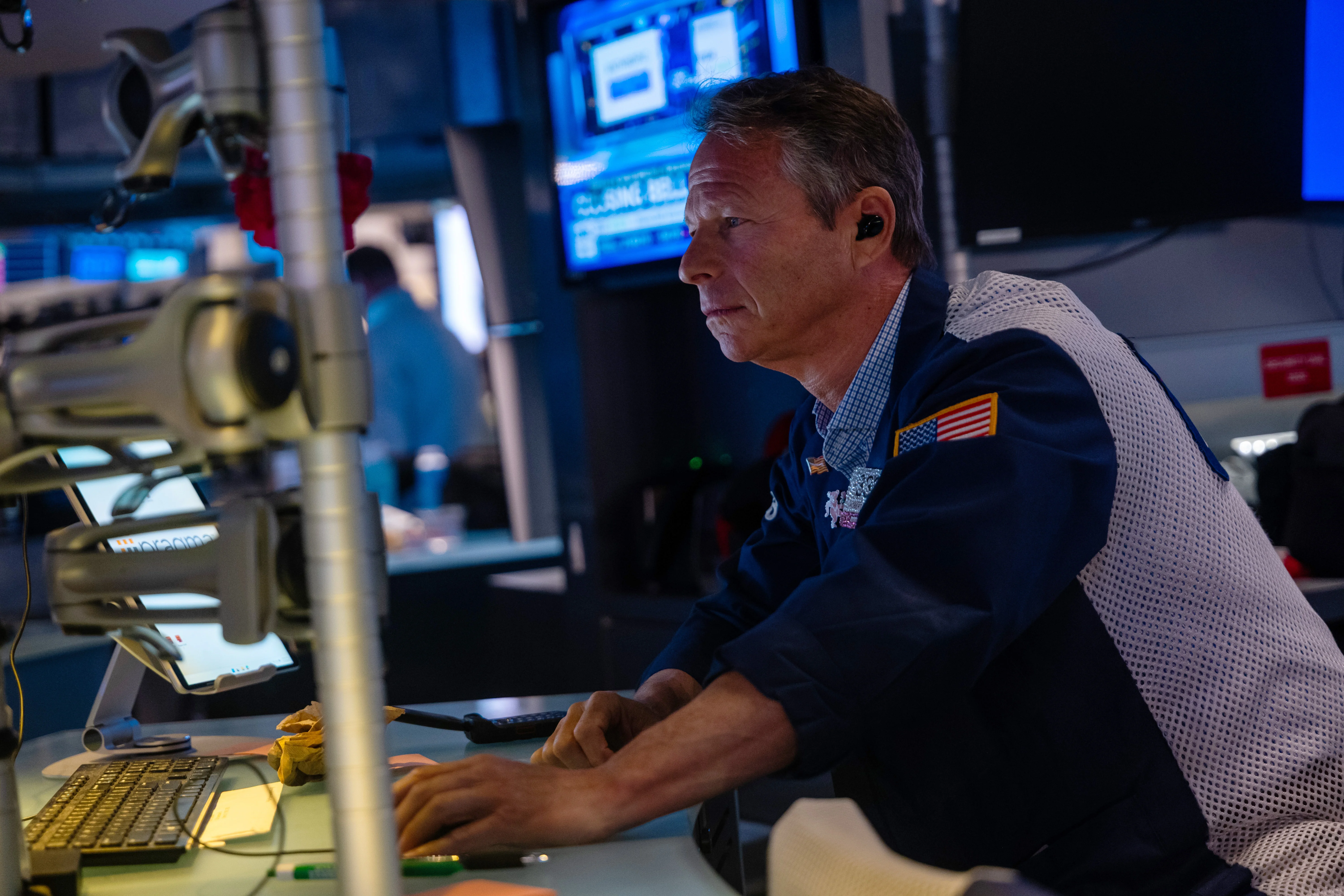
On Monday, the Nasdaq Composite slipped 1.8% after a 12% drop in AI‑focused companies such as Nvidia, Palantir, and Cloudflare. The sell‑off began in the pre‑market session, as traders reacted to a series of earnings reports that fell short of expectations.
The decline unfolded across the United States, with the Dow Jones Industrial Average falling 0.6% and the S&P 500 slipping 0.9%. Investors in the technology sector were hit hardest, as the broader market reacted to concerns about overvaluation and supply‑chain constraints.
In a statement released by the SEC, the agency said it was reviewing trading activity for signs of manipulation and would consider regulatory action if necessary. Meanwhile, institutional investors issued cautious comments, warning that the market’s current fragility could expose systemic risks.
In-Depth Analysis & Key Details
The AI boom, which began in the late 2010s, has driven unprecedented capital inflows into machine‑learning startups and established tech giants alike. Yet the sector’s rapid expansion has outpaced the development of robust risk‑management frameworks, leading to heightened volatility.
Regulators are grappling with how to balance innovation with investor protection. While the Commodity Futures Trading Commission has proposed tighter oversight of AI‑related derivatives, the SEC’s inquiry reflects a growing concern that market manipulation could undermine confidence in the broader economy.
Industry analysts note that the volatility may prompt a recalibration of valuation models, with a shift toward more conservative growth projections. They also warn that the downturn could slow the pace of AI adoption in industries such as finance, healthcare, and autonomous vehicles.
"The market’s current fragility could expose systemic risks that extend far beyond the tech sector."
Why This Matters & What Lies Ahead
For everyday investors, the AI slump means higher uncertainty in portfolio returns and a potential drag on retirement savings that are increasingly tech‑heavy. The ripple effect may also impact consumer prices, as companies facing tighter capital constraints could raise costs to maintain profitability.
Key milestones to watch include the SEC’s planned hearing on March 15, where industry representatives will testify on market‑making practices, and the upcoming Federal Reserve policy meeting on March 20, which could address broader financial stability concerns.
Source: Reported by NPR · Analyzed & Synthesized by DNB Newsroom