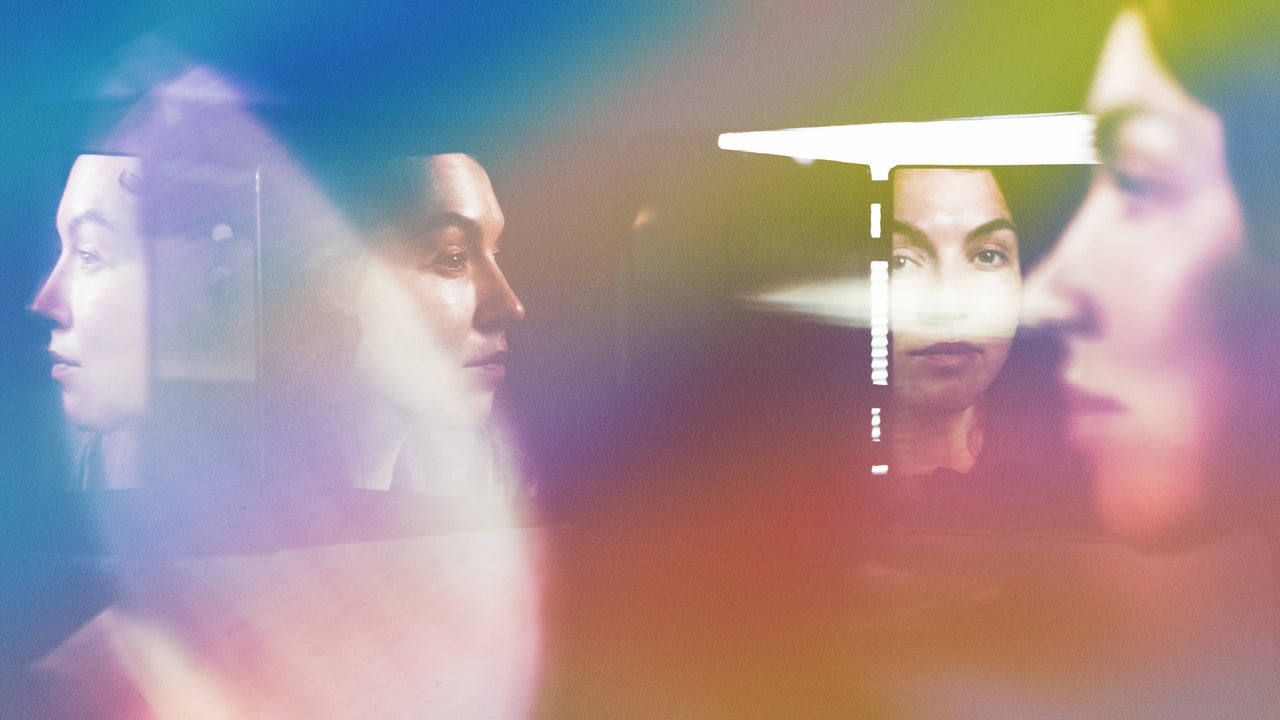
The digital media landscape is being reshaped as a wave of AI‑driven replicas—often called “deep‑fake influencers”—began posting on TikTok, YouTube and Instagram last month, amassing millions of views. These synthetic personas copy the speech patterns, visual style and even trademark catchphrases of real creators without consent, and the platforms’ ad‑sharing algorithms reward them with a share of the revenue.
The phenomenon first attracted attention when a fabricated version of a well‑known lifestyle vlogger posted a choreography video that quickly outperformed the original’s recent upload. Within weeks, dozens of look‑alike channels emerged, each leveraging the same underlying generative models to churn out content that siphons audience attention and advertising dollars away from the genuine creators.
In-Depth Analysis & Key Details
The rise of AI clones exploits a regulatory blind spot: existing copyright law protects original works but does not clearly extend to a person’s digital persona, while personality rights vary widely across jurisdictions. Tech companies argue that their terms of service already forbid impersonation, yet enforcement is hampered by the speed at which new deep‑fake accounts are generated.
Industry observers are split. Some see the technology as a natural evolution of virtual influencers that could open new revenue streams for brands, provided clear consent mechanisms are built in. Others caution that unchecked replication erodes trust in online media and could fuel a broader wave of misinformation, urging legislators to draft specific provisions that address AI‑generated likenesses.
"Without decisive legal safeguards, AI‑cloned influencers threaten to turn personal brand equity into a commodity harvested by anonymous algorithms."
Why This Matters & What Lies Ahead
For creators, the financial bleed could be significant, as advertisers increasingly allocate budgets to the highest‑performing channels regardless of authenticity. Audiences, too, risk being misled, blurring the line between genuine expression and algorithmic fabrication.
Policymakers in the EU, US and Canada are slated to debate amendments to copyright and privacy statutes later this year, with hearings expected in the Senate Commerce Committee and the European Parliament’s Digital Services Committee. The outcome will shape whether AI‑generated personas become a regulated asset class or remain a legal grey zone.
Source: Reported by Fast Company · Analyzed & Synthesized by DNB Newsroom