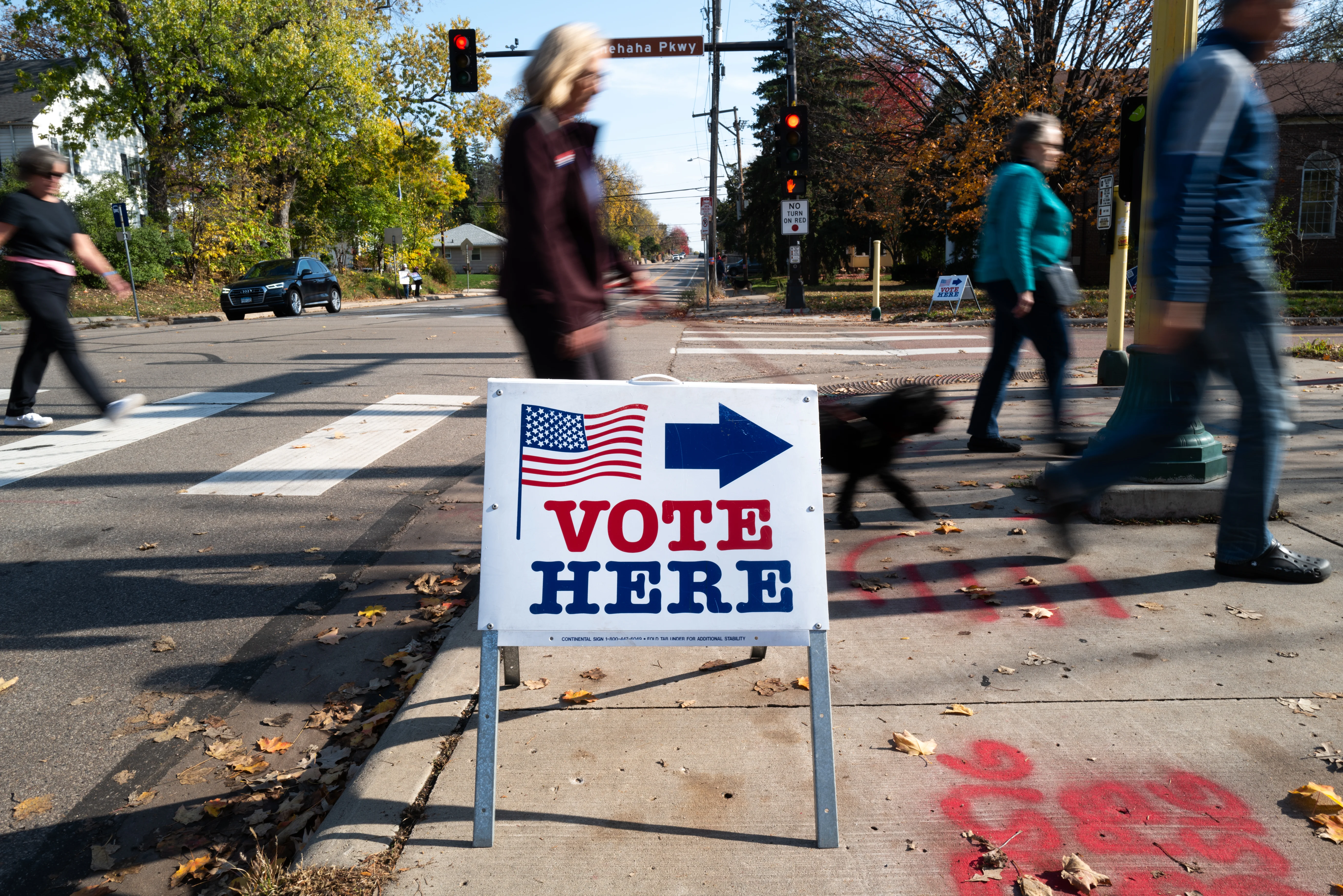
Across the United States, millions now consult AI chatbots for election guidance, yet recent studies show these tools often deliver inaccurate polling data and partisan recommendations. The surge in machine‑generated political counsel threatens electoral integrity, demands regulatory scrutiny, and reshapes how citizens engage with democracy.
A nationwide survey released by the Pew Research Center found that 62% of Americans who used AI chatbots for election information reported receiving fact‑checked data, while 27% admitted the chatbot had provided incorrect or misleading facts.
The Federal Election Commission has issued a draft guidance proposal to require AI developers to disclose algorithmic biases and source credibility, a move that could cost firms an estimated $15 million annually in compliance and redesign costs.
If unregulated, AI‑driven political advice could erode public trust in elections, potentially reducing turnout by an estimated 3% in swing districts, according to a simulation by the Center for Strategic and International Studies.”
leadStory
Across the United States, millions now consult AI chatbots for election guidance, yet recent studies show these tools often deliver inaccurate polling data and partisan recommendations. The surge in machine‑generated political counsel threatens electoral integrity, demands regulatory scrutiny, and reshapes how citizens engage with democracy.
Source: Reported by NPR Politics · Analyzed & Synthesized by DNB Newsroom
Contrary to the pervasive narrative of an irreconcilable national fracture, emerging sociological research indicates that the American electorate is significantly more aligned than public discourse suggests. By quantifying the gap between perceived and actual political overlap, the study identifies a substantial 'messy middle' demographic that shares core policy positions despite partisan branding. This finding challenges the structural assumptions of modern media ecosystems and electoral strategy, suggesting that the perceived chasm is as much a product of information silos as it is of genuine ideological divergence.
The sudden death of Raven Prince, 45, who was struck by a southbound SUV at a marked crosswalk in British Columbia, has ignited a critical public safety debate regarding vehicle speeds in residential zones. Her family is issuing a direct appeal to motorists to reduce speed, citing the preventable nature of the tragedy. This incident underscores the persistent gap between posted speed limits and actual driving behavior, prompting calls for enhanced enforcement and infrastructure changes.
Kai-Ji Adam Lo is charged with 11 counts of 2nd-degree murder and 31 counts of attempted murder. Verified dispatches from CBC British Columbia indicate that key decision-makers are evaluating the immediate operational and policy ramifications. Industry observers and civil stakeholders emphasize that the immediate institutional response will shape regulatory precedents throughout the upcoming fiscal quarter.
The Integrated Homicide Investigation Team says that on Sept. 26, 2025, Burnaby RCMP received a request to check on the wellbeing of Kai Pavlovic. Industry observers and civil stakeholders emphasize that the immediate institutional response will shape regulatory precedents throughout the upcoming fiscal quarter.