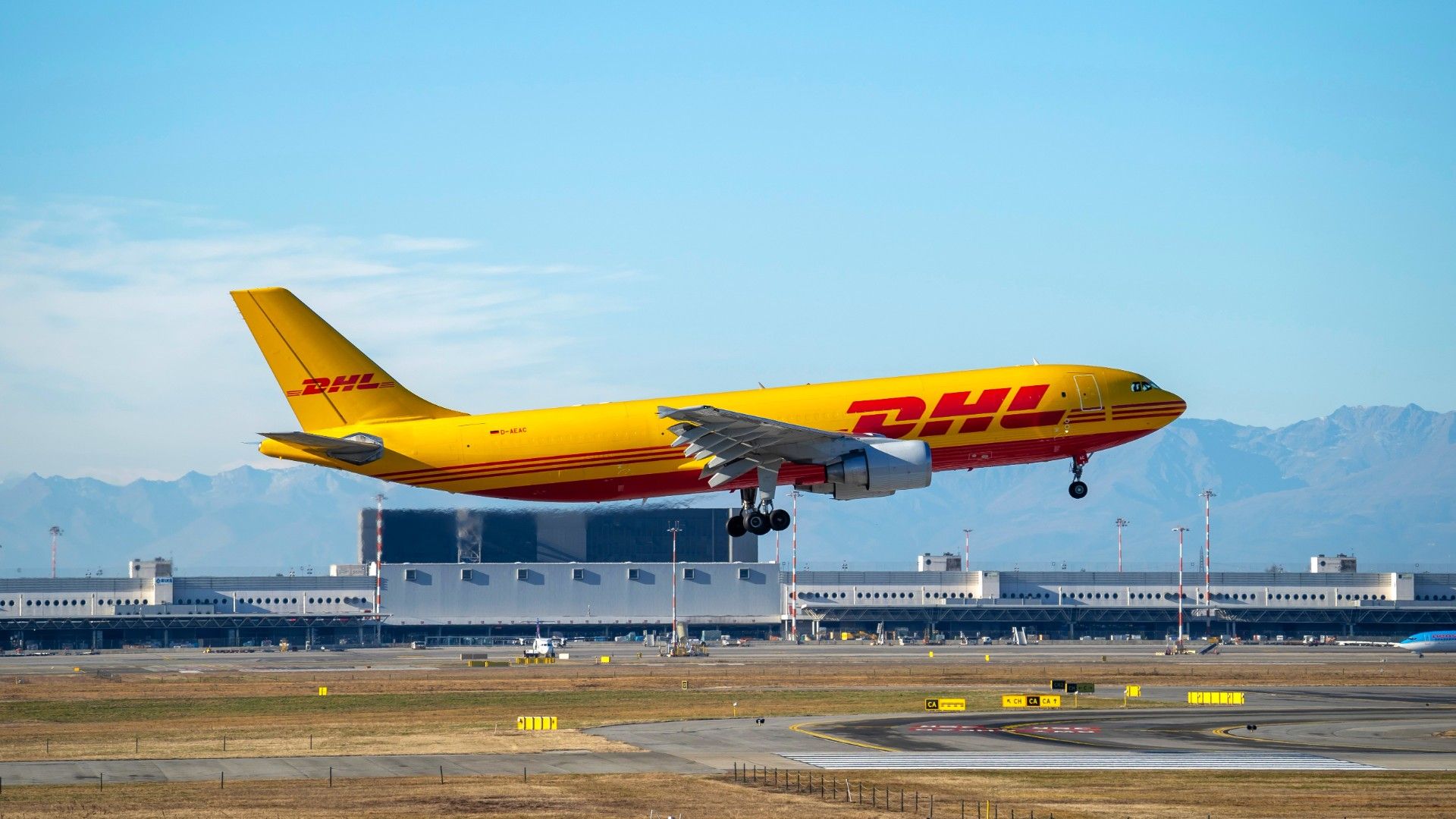
The Air Accidents Investigation Branch (AAIB) has published a detailed bulletin shedding new light on the circumstances surrounding the destruction of an Airbus A300 at London Heathrow Airport. While the physical incident occurred more than a year ago, the recent release of this official documentation provides the first comprehensive, authoritative account of the specific sequence of events that led to the aircraft's write-off. The report identifies the core issue as a tail strike sustained during an aborted landing, a moment of high stress that overwhelmed the aircraft's structural integrity and operational viability.
The geographical and operational context of the event is critical to understanding the severity of the outcome. Heathrow is one of the world's busiest and most congested airports, characterized by complex approach corridors and strict noise abatement procedures. The aircraft in question, a 33-year-old Airbus A300, was attempting to land when the crew initiated a go-around. It was during this critical phase of flight, as the aircraft rotated to climb away from the runway, that the tail section made contact with the tarmac. This type of impact, known as a tail strike, causes immediate and often irreversible damage to the aft fuselage and empennage.
Official remarks from the AAIB emphasize that the investigation focused on understanding why the tail strike occurred and why it resulted in the total loss of the airframe. The bulletin does not assign individual blame but rather examines the systemic and procedural factors at play. Stakeholders in the aviation industry have noted that such incidents, while rare, serve as stark reminders of the precision required in commercial aviation. The release of this data allows for a transparent review of the event, contributing to the broader body of knowledge used to improve safety standards across the global aviation sector.
In-Depth Analysis & Key Details
The historical background of the Airbus A300 is essential to understanding the technical complexities of this incident. As one of the first wide-body twin-engine jets, the A300 has a long operational history, with many examples still in service decades after their initial certification. However, age brings with it specific maintenance considerations and performance characteristics that differ from modern, fly-by-wire aircraft. The A300's manual flight controls and older avionics require a different level of pilot input and situational awareness compared to contemporary models. This incident underscores the ongoing debate within the industry regarding the operational limits and safety margins of legacy aircraft types in modern, high-traffic environments.
Regulatory and industry perspectives on such events often diverge. While the AAIB's role is strictly factual and non-punitive, industry analysts observe that the economic consequences of writing off a 33-year-old airframe are significant for the operator. The cost of repair for a tail strike on an aircraft of this vintage often exceeds the residual value of the plane, leading to an immediate write-off. This financial reality pressures airlines to make difficult decisions about the retirement of older fleets versus the investment in new, more efficient models. The tension between extending the service life of existing assets and the imperative for constant technological renewal is a central theme in current aviation economics.
From a technical standpoint, tail strikes are a well-documented risk in aviation, particularly during go-arounds. The pilot must manage the aircraft's pitch and thrust simultaneously while transitioning from landing to climbing flight. In the case of the A300, the lack of automated protections found in newer aircraft means that human error or misjudgment of the aircraft's attitude can lead to ground contact. Expert domain context suggests that such incidents are often the result of a combination of factors, including weather conditions, traffic density, and crew workload. The AAIB's detailed analysis helps to isolate these variables, providing a clear picture of how the event unfolded and what measures can be taken to prevent similar occurrences in the future.
"The destruction of a 33-year-old A300 at Heathrow serves as a stark reminder that in aviation, the margin for error is non-existent, and the intersection of legacy technology and modern operational density demands unwavering precision."
Why This Matters & What Lies Ahead
For everyday travelers and the broader public, the release of this AAIB bulletin reinforces the robustness of the aviation safety oversight system. While the incident resulted in the loss of an aircraft, the transparent reporting and detailed analysis contribute to a culture of safety that protects passengers and crew. The public interest in such reports is high, as they provide insight into the real-world challenges faced by pilots and the rigorous standards maintained by regulatory bodies. Understanding these events helps to build trust in the aviation industry, which relies on public confidence to operate effectively.
Looking ahead, industry stakeholders and regulatory bodies will monitor the implementation of any recommendations derived from this investigation. While the AAIB bulletin is a factual record, it often informs broader safety directives and training updates. Airlines operating similar legacy aircraft may review their go-around procedures and crew training modules to ensure that lessons from this incident are integrated into their operational practices. Upcoming regulatory reviews and safety audits will likely focus on the operational profiles of older aircraft types in congested airports, ensuring that all necessary safeguards are in place to prevent future tail strikes and similar incidents.
Source: Reported by Simple Flying · Analyzed & Synthesized by DNB Newsroom