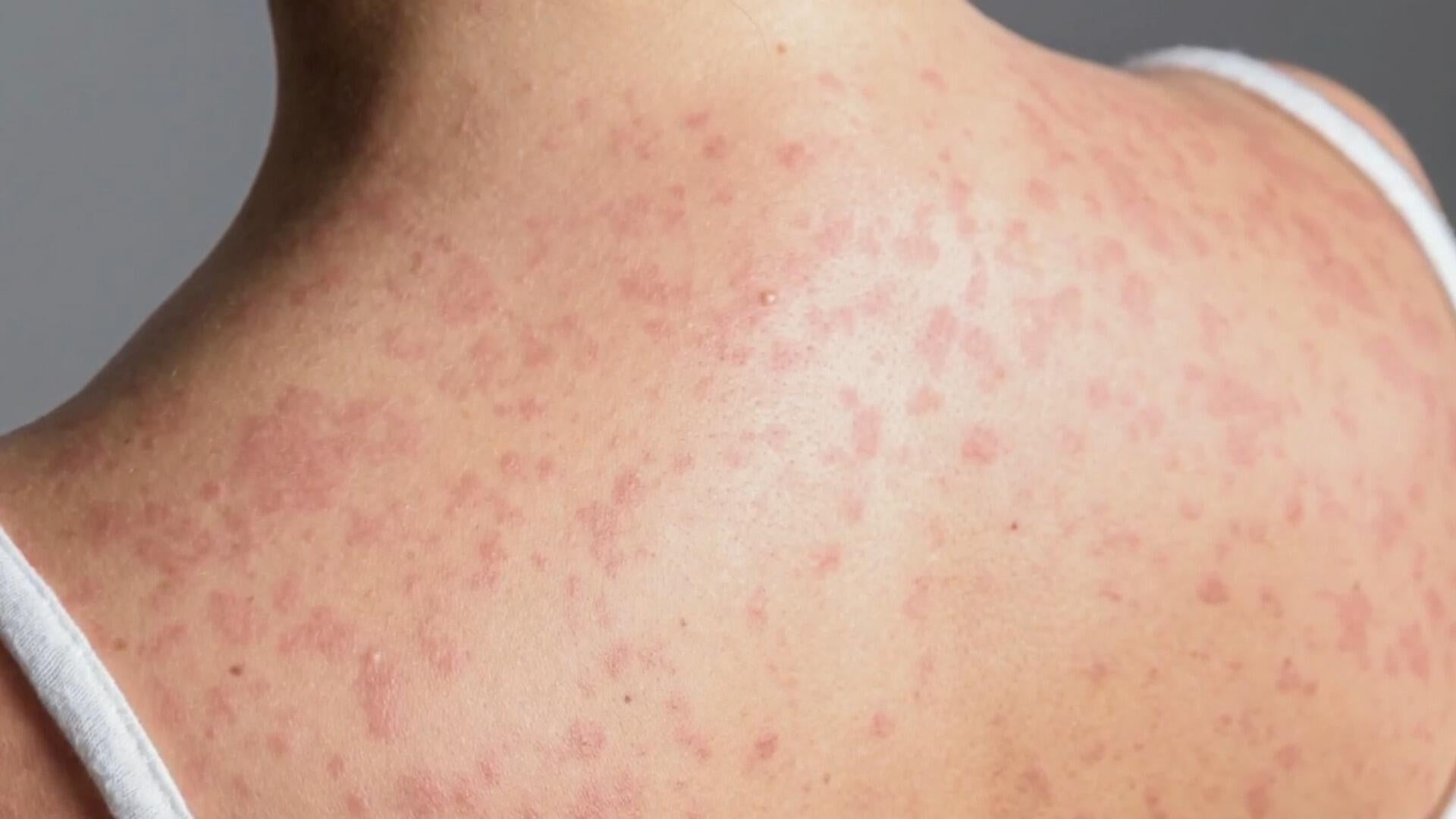
The measles outbreak in Pennsylvania has intensified to a critical threshold in 2026, with state health authorities confirming nine deaths directly linked to the disease. This grim milestone accompanies a total of more than 1,600 confirmed cases, establishing the state as one of the most affected jurisdictions in the nation. The rapid accumulation of severe outcomes signals that the virus is no longer merely circulating but is causing significant morbidity and mortality among susceptible individuals.
The geographical focus of this crisis has shifted heavily toward Lancaster County, where local health departments are managing a dense cluster of infections. Reporting from the region indicates that the outbreak is concentrated in communities with historically lower vaccination rates, where the virus is finding fertile ground for sustained transmission. The operational response in these areas has required significant resource allocation to contact tracing, isolation protocols, and public education campaigns aimed at halting further spread.
State and federal health officials have emphasized the direct correlation between the surge in cases and gaps in vaccine coverage. While no single policy failure is cited as the sole cause, the collective response from public health entities points to a systemic erosion of immunity. The declaration of these figures serves as a stark reminder that measles, once considered a controlled threat, has re-emerged as a lethal pathogen in the modern American healthcare landscape.
In-Depth Analysis & Key Details
The current surge represents a historic reversal in the United States' fight against measles, a disease that had been effectively eliminated from the country for decades. Historically, the U.S. relied on high vaccination rates to maintain herd immunity, creating a buffer that prevented sustained transmission. The fact that case numbers have now reached their highest point in over thirty years suggests that this buffer has been critically breached, allowing the virus to re-establish itself in the population. This shift is not merely a statistical anomaly but a structural failure in the maintenance of public health infrastructure.
Regulatory and sociological analyses suggest that the resurgence is driven by a complex interplay of vaccine hesitancy, misinformation, and access barriers. Industry analysts observe that the clustering of cases in specific counties, such as Lancaster, indicates that the virus is exploiting pockets of unvaccinated individuals rather than spreading randomly. This pattern is consistent with previous outbreaks in other states, where community immunity fell below the threshold necessary to stop transmission. The economic consequences of such outbreaks are substantial, placing strain on local healthcare systems and increasing the burden on emergency services.
From a technical standpoint, measles is one of the most contagious diseases known, with a high reproduction number that allows it to spread rapidly in susceptible populations. The severity of the disease, particularly in young children and immunocompromised individuals, explains the high mortality rate observed in this outbreak. Public health experts note that the virus can remain viable in the air for up to two hours, making airborne transmission a significant challenge in indoor settings. This technical reality underscores the necessity of high vaccination coverage to prevent such outbreaks from gaining traction.
"The return of measles to the highest levels seen in three decades is not a temporary fluctuation but a critical warning that our collective immunity has been compromised, demanding an immediate and unified public health response."
Why This Matters & What Lies Ahead
For everyday citizens, the resurgence of measles poses a direct threat to public safety, particularly for those who cannot be vaccinated due to age, medical conditions, or other factors. The high number of cases and deaths in Pennsylvania indicates that the risk is not theoretical but present in many communities. Financially, the outbreak places additional pressure on healthcare budgets, as hospitals and clinics must manage increased patient loads and provide intensive care for severe cases. This has implications for insurance costs and the overall stability of the healthcare system, particularly in regions with limited resources.
Looking ahead, stakeholders must monitor the upcoming public health reports and legislative sessions where vaccine policy may be debated. Key milestones to watch include the release of new state-level data on vaccination rates and any potential federal interventions to support affected regions. Regulatory votes on vaccine mandates or public health funding may also be on the horizon, as policymakers seek to address the root causes of the outbreak. The coming months will be critical in determining whether the U.S. can regain control over measles and prevent further loss of life.
Source: Reported by CBS Health · Analyzed & Synthesized by DNB Newsroom