dailynewsnblog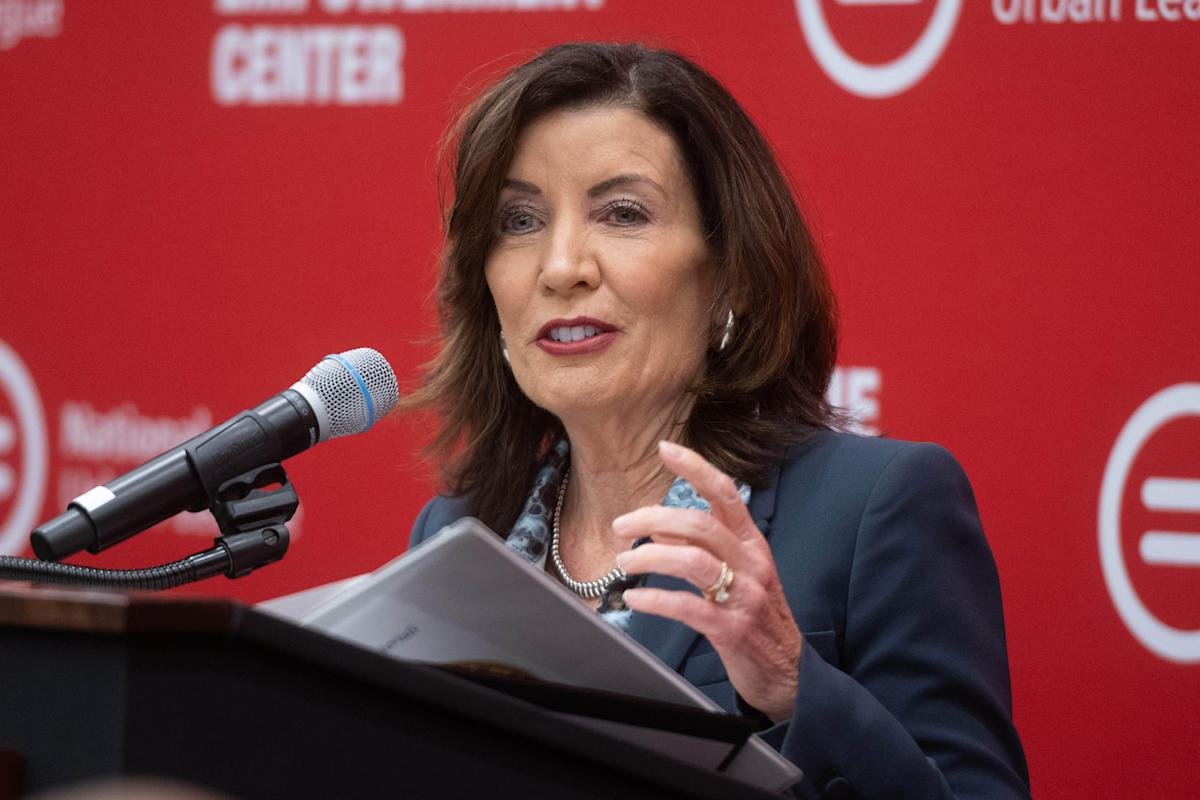
New York is taking steps to regulate the use of AI in the state’s entertainment industry. NY State Governor Kathy Hochul passed two pieces of legislation on Thursday that forces certain productions to disclose the use of AI-generated performers, and defines rules around how someone’s likeness can be used after their death.
Assembly Bill A8887B, now known as S.8420-A, specifically covers the use of AI performers in advertisements. Per Hochul’s announcement, the law “requires persons who produce or create an advertisement to identify if it includes AI generated synthetic performers.” S.8391, meanwhile, “requires consent from heirs or executors if a person wishes to use the name, image, or likeness of an individual for commercial purposes after their death.”
“By signing these bills today, we are enacting common sense laws that will ensure we are fully transparent when using images generated by artificial intelligence and also prevent the unauthorized commercial use of a deceased individual’s name or likeness,” Governor Hochul said in the announcement. “In New York State, we are setting a clear standard that keeps pace with technology, while protecting artists and consumers long after the credits roll.”
The use of AI performers and deepfakes made using the likenesses of actors were major focuses of the contract SAG-AFTRA won during its strike in 2023. The union ultimately agreed to allow for the use of things like digital replicas and AI-generated performers, with some key carveouts. For example, actors have to give their explicit consent for a digital replica to be made in their image. They also have to give their consent each time the replica is used and are supposed to receive a pre-negotiated rate every time the replica appears in a production.
New York’s new regulations put further safeguards around both practices, and join a growing collection of state AI laws that have passed or are currently being considered this year. Because of the close relationship between tech companies and the Trump administration, though, multiple attempts have been made to prevent such laws from existing at all. A decade-long ban on state AI regulation was included in early drafts of the Big Beautiful Bill, and David Sacks, venture capitalist and White House Special Advisor, has reportedly gone to great lengths to try and get President Donald Trump to sign an executive order banning state AI regulation. The effort may have been worth it: The president posted on Tuesday that he would sign a new executive order focused on AI this week.