dailynewsnblog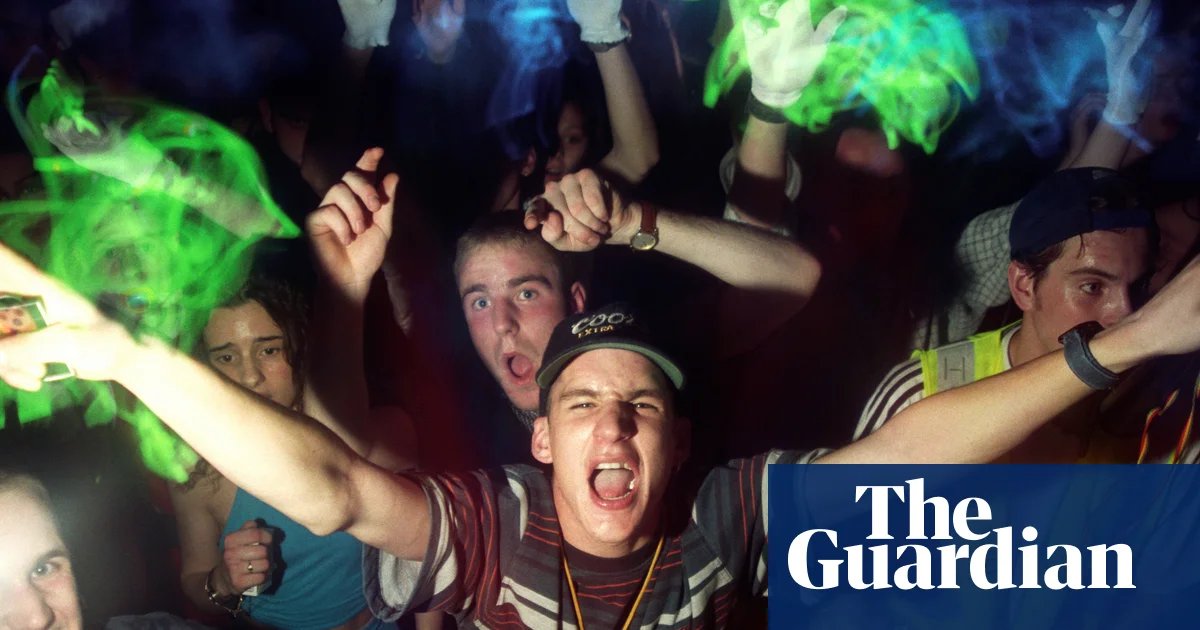
Queues ran down the street outside, condensation dripped off the walls inside, memories were made – and lost – and it all unfolded without a smartphone in sight. For those who remember the Manchester nightclub Sankeys in its heyday 30 years ago, the venue was a clubbing mecca.
“Sweat was dripping off the walls,” said Lee Spence, a promoter and resident DJ at the club from 2002 to 2012, who remembers once double booking Chase & Status and Carl Cox on the same night. “It was an atmosphere like nothing else I’d really seen.”
It closed in 2017 but now, against a tide of closing venues, Sankeys is back. And like when it first opened more than three decades ago, there will be no phones on the dancefloor.
David Vincent, one of the nightclub’s founders, who is behind its resurrection, said venues needed to return to a more “intimate” experience in the club rather than the selfie frenzies that saturate social media.
“The phones are the problem,” he said. “People are more bothered about having a phone and filming the DJ rather than dancing.”
The aim in particular is to tackle incessant filming on the dancefloor. “We’re probably going to put a sticker on their camera so they can’t film. People need to stop taking pictures and start dancing to the beat,” Vincent said.
Sankeys will reopen in late January in a 500-capacity venue in Manchester city centre. By reputation alone, it should enjoy a busy start despite clubbers perhaps still nursing their festive hangovers.
But the challenge for the venue is stark: nearly 800 late-night venues in the UK have closed during the past five years, according to the most recent data from the Night Time Industries Association (NTIA). It reported a 26.4% drop in late-night venues since March 2020.
Michael Kill, the NTIA chief executive, said the reopening of Sankeys was “more than just a venue returning”. “It signals [Manchester’s] commitment to nurturing spaces that are central to the cultural heartbeat of nightlife,” he said, adding that it showed there was still “strong demand for shared, immersive experiences that only physical spaces can provide”.
The no-phones policy follows similar moves by other venues across Britain including Amber’s in Manchester and FOLD in east London. Kill said he had seen more and more clubs banning cameras from the dancefloor in an effort to “reflect the essence of the live experience”.
He said: “By encouraging guests to be present and fully engage with music and community, these policies aim to recapture some of the spontaneity and social connection that can be diluted in a digital-first world.”
Spence said it would be impossible to replicate “the exact version that we had before” but he embraced the opportunity of a new place for hedonists of tomorrow. “The world’s changed. It’s a different venue but I do think that something new could be created.”
Sankeys first opened in 1994 as Sankeys Soap in the basement of the Beehive Mill, a former soap factory in the industrial area of Ancoats. It is widely considered to have been the successor to the Haçienda club. In 2010, DJ Mag rated it the best club in the world, and it debuted artists such as Daft Punk, the Chemical Brothers and David Guetta. The venue was sold to property developers.
With the reopening, Vincent hopes that spotlighting new DJs will draw in a new, younger crowd. One of the consequences of the UK’s declining nightclub industry is the absence of platforms for undiscovered and up-and-coming artists.
“What we will be doing is booking a lot of young fresh talent,” he said. “Back in the day, when the Chemical Brothers or Daft Punk played, they became stars. Hopefully we’ll be doing that again with some new future stars.”
Davina Vernizeau, a regular raver at Sankeys when she was a university student in the early 00s, said: “It wasn’t just about the music for me. It felt like finding a set of like-minded people where we all belonged, we were all united and met there in the same place every week.”