dailynewsnblog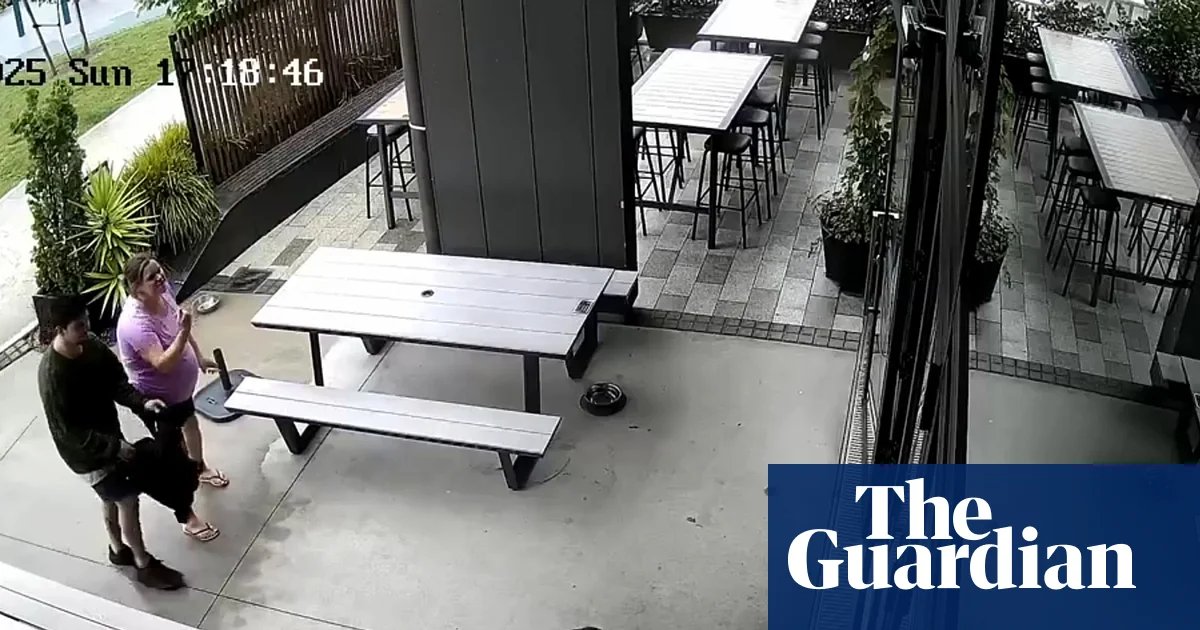
On a wet, lazy Sunday evening a baby fur seal waddled into a craft beer bar in Richmond, at the top of New Zealand’s South Island. Accustomed to seeing animals in the pet-friendly bar, co-owner Bella Evans initially assumed the visitor was a dog before she took a closer look.
“Everyone was in shock,” Evans said. “Oh my gosh. What do we do? What’s going on?”
The creature was apparently lost and curious. Scientists refer to an annual “silly season” for seals and sea lions, a period of months during which they regularly appear in strange places – houses, golf courses or busy roads.
A customer grabbed a sweater and tried to usher the seal out of the back door. Evading its pursuers, the creature dashed into a bathroom and then hid under the dishwasher, which was swiftly unplugged.
Another customer fetched a dog crate from home, and Evans made a plan to lure the visitor out of its hiding place using a pizza topping the pub was offering as a special. “I just went to my fiance, I said, ‘grab the salmon! Grab the salmon!’”
Then it was a brief wait for conservation rangers to arrive. It turned out they were already tracking the wandering seal.
“It was their fourth call for the day,” Evans said. “They had been driving around this new-build subdivision trying to find this baby seal.”
New Zealand’s Department of Conservation (DoC) confirmed it received “numerous” reports from the public about a seal spotted in Richmond on Sunday before it turned up at the pub. Bar staff “did a great job keeping the seal safe” until rangers arrived, said DoC spokesperson Helen Otley.
The seal was released on nearby Rabbit Island, considered a safe location because of its dog-free status, Otley said. It’s not unusual for curious young seals to show up in unexpected places at this time of year, she added, as they follow rivers and streams up to 15 km (9 miles) inland.
“They can turn up in unusual places, like this pub, but this is normal exploratory behaviour,” Otley said.
Successful conservation programs in New Zealand have resulted in growing seal and sea lion populations, bringing them into closer contact with humans than before.
Evans, who has owned the pub with her partner for just a few months, said the baby fur seal was the first patron she’s had to evict. But she said the animal, named Fern by staff, was welcome back.
“There’s been the running joke that we’ve got the seal of approval,” she said.