dailynewsnblog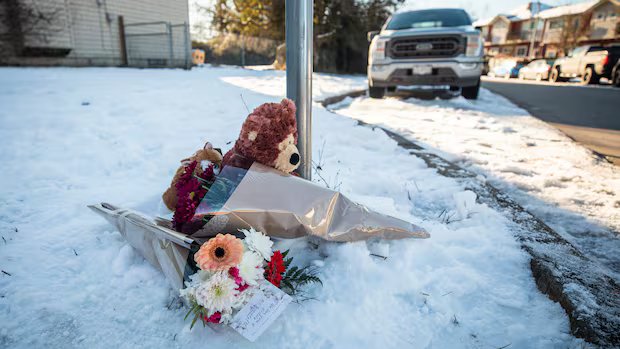

Listen to this article
Estimated 5 minutes
The audio version of this article is generated by text-to-speech, a technology based on artificial intelligence.
WARNING: This story mentions threats of suicide.
B.C.’s police watchdog says there are no reasonable grounds to believe an officer committed any offence in the shooting death of a 15-year-old in Surrey earlier this year.
The Independent Investigations Office of B.C. (IIO) was called in to look into what happened after the teen was fatally shot by police on Feb. 9, 2025.
According to the IIO’s report released Dec. 4, the teen, who was autistic and had attention-deficit hyperactivity disorder, called police threatening suicide.
Officers responded, along with Car 67 — the police mental health outreach unit that includes a mental health nurse — but when the teen pointed what appeared to be a gun at police, two officers shot at him, the report says.
He was declared dead at the scene.
The IIO is called in any time police are involved in a situation that results in death or serious harm in B.C.

Timeline according to report
According to the report, when officers found the teen, he was sitting in the snow and had a realistic-looking gun. He had told the 911 operator that he did not trust police.
The mental health nurse stayed in the Car 67 vehicle out of concern for their safety.
As the first officer approached the teen, he told the IIO that he gave a “big friendly wave” and told the teen he was with the police and there to help — to which the teen responded “something to the effect of [f–k] off,” the report says.
A few minutes later, the officer said the teen began walking away.
Another officer approached and was about 50 metres away when he saw the gun in the teen’s hand, and told him to “drop the weapon.”
The teen then ran away, the officer said.

B.C.’s police watchdog is investigating after a teen was shot and killed during a confrontation with police in Surrey on Sunday. The head of the Independent Investigations Office, Jessica Berglund, explains what that process looks like and how they aim to improve the conduct of police.
The report says police followed the teen on foot.
According to the report, witnesses said the teen had a “blank” look on his face, while others said he looked confused.
No one suggested he threatened them directly.

The IIO said in its report that the teen did not drop his gun when police told him to, multiple times.
Officers said he pointed the weapon at himself and at police. They also said they couldn’t get close enough to “establish a dialogue” with the teen, or use something like pepper spray or a Taser.
An officer with a police dog arrived, but that officer said they were also unable to get close enough to use the dog.
At 3:17 p.m., according to the report, the teen turned the gun on police.
“Two officers almost simultaneously discharged their firearms,” the report says. The teen was hit by one bullet.

Officers began lifesaving attempts and paramedics were called. The teen was declared dead shortly after.
The report notes that police agencies have acknowledged the need to be better-informed when responding to people who are neurodivergent — including people like this teen, who was autistic.
The IIO says that the teen’s lack of response to police officers’ efforts to speak with him have been described by experts as “sensory overload.”
Because the teen pointed a realistic-looking gun at police and at himself, the IIO says police focused on the appropriate response to what they considered a risk to the teen, the public and officer safety.
“The responding officers were acting in the lawful execution of their duty in attempting to apprehend the [teen], who was reasonably understood to be in possession of a loaded firearm and intending to harm himself with it in a public place,” the report reads.

The interaction lasted more than 20 minutes, according to the report.
“The outcome was tragic and not desired by anyone who was interviewing in this investigation; however, the death was not the result of any unjustified use of force by any officer,” the report says.
If you or someone you know is struggling, here’s where to look for help:
If you’re worried someone you know may be at risk of suicide, you should talk to them about it, says the Canadian Association for Suicide Prevention. Here are some warning signs:
- Suicidal thoughts.
- Substance use.
- Purposelessness.
- Anxiety.
- Feeling trapped.
- Hopelessness and helplessness.
- Withdrawal.
- Anger.
- Recklessness.
- Mood changes.