dailynewsnblog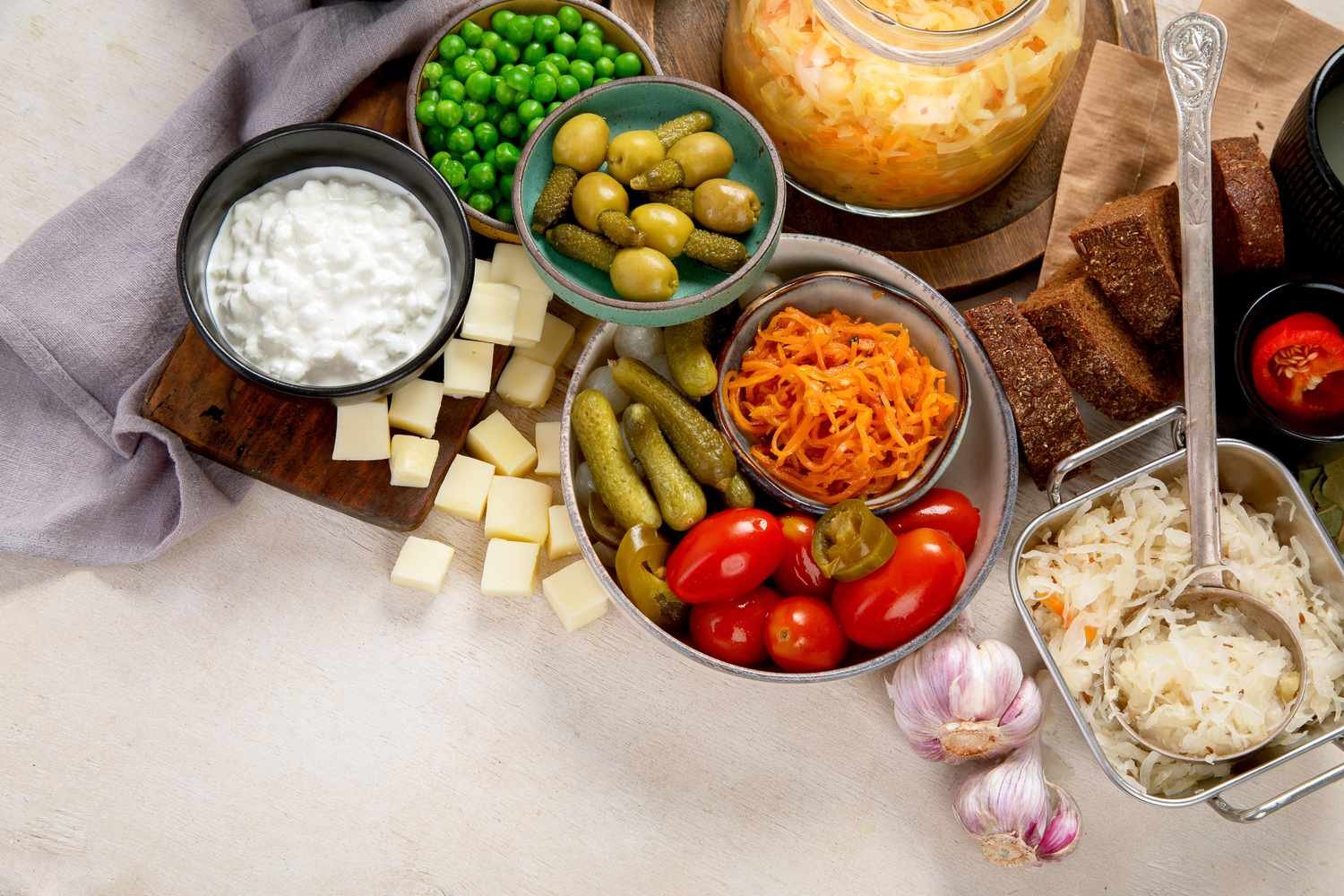
Sauerkraut, made with fermented cabbage, is known for its gut-friendly benefits. However, other fermented foods may offer as much, if not more, gut health benefits thanks to higher probiotic counts, a wider variety of species, or other helpful nutrients and compounds.
1. Kefir
mescioglu / Getty Images
Kefir is a tangy, fermented dairy drink that may offer more gut benefits than other fermented foods, including sauerkraut. It’s made by adding kefir grains (a mix of bacteria and yeast) to milk, resulting in a drink that can contain up to 50 different species of bacteria and yeast.
Kefir is uniquely rich in species such as Lactobacillus kefiranofaciens and Lactobacillus kefiri as well as yeasts such as Saccharomyces cerevisiae and Kluyveromyces marxianus. Thanks to this, kefir may help boost beneficial gut bacteria, improve microbial balance, and support digestion.
Kefir is also a good source of protein (about 10 grams per serving), B vitamins, calcium, magnesium, and other nutrients. On top of that, it contains bioactive peptides formed during fermentation, which may offer antioxidant effects, support immune health, and help regulate blood pressure.
2. Kimchi
VICUSCHKA / Getty Images
Kimchi is a tangy, spicy dish made by fermenting vegetables like cabbage and radishes with spices. It shares some bacterial species with sauerkraut, like Leuconostoc mesenteroides, but it also contains others such as Lactobacillus sakei and Weissella koreensis, giving it a broad probiotic profile.
Kimchi supports gut health by increasing microbial diversity, which is key to a resilient gut microbiome. Because it’s made from vegetables, it also has fiber, vitamins, minerals, and antioxidants. The fiber acts as a prebiotic, helping feed the good bacteria already living in your gut.
Regularly eating kimchi has been linked to improved digestion, immune function, and even heart health.
3. Yogurt
Fleur Schinning Photography – www.fleurschinning.com / Getty Images
Yogurt is one of the most well-known probiotic foods, made by fermenting milk with bacteria, such as Streptococcus thermophilus and Lactobacillus delbrueckii. Many yogurts also include added strains such as Lactobacillus acidophilus and Bifidobacterium animalis, which may offer extra gut support.
These probiotics may help balance gut bacteria, improve digestion, and reduce symptoms of irritable bowel syndrome (IBS), like bloating, constipation, or diarrhea. Yogurt also supports those with lactose intolerance, as the fermentation process breaks down much of the lactose, making it easier to digest.
In addition to probiotics, yogurt is rich in protein, calcium, potassium, phosphorus, and vitamins A, B2, and B12—making it a well-rounded choice for your gut and overall health.
4. Tempeh
daniaphoto / Getty Images
Tempeh is made by fermenting soybeans, resulting in a firm, cake-like texture. What makes it unique is that it’s fermented using fungi—specifically Rhizopus oligosporus species—as well as beneficial bacteria like Lactobacillus plantarum, Lactobacillus fermentum, and Lactobacillus brevis.
Tempeh is high in fiber, which feeds good gut bacteria, and its probiotics may help support a healthy microbiome. Its impressive protein content and plant-based nutrients make it a popular choice for vegetarians and vegans.
Tempeh may also reduce inflammation and act as an antioxidant, further supporting gut and immune health.
5. Lassi
Olga Chzhu / Getty Images
Lassi is a traditional Indian drink made from yogurt and often blended with fruit or spices like cardamom. Like yogurt, it contains several potential health-promoting probiotics such as Streptococcus thermophilus and Lactobacillus helveticus.
Lassi is especially helpful for digestion and may be easier to tolerate for people who are lactose intolerant, thanks to the fermentation process.
It’s been linked to gut health benefits like reduced IBS symptoms. And it also shows potential support for heart health, blood sugar control, and immune function.
:max_bytes(150000):strip_icc():format(webp)/MorganPearsonHeadshot-f4e60d46bf1841febdcce502314aa6d6.JPG)