dailynewsnblog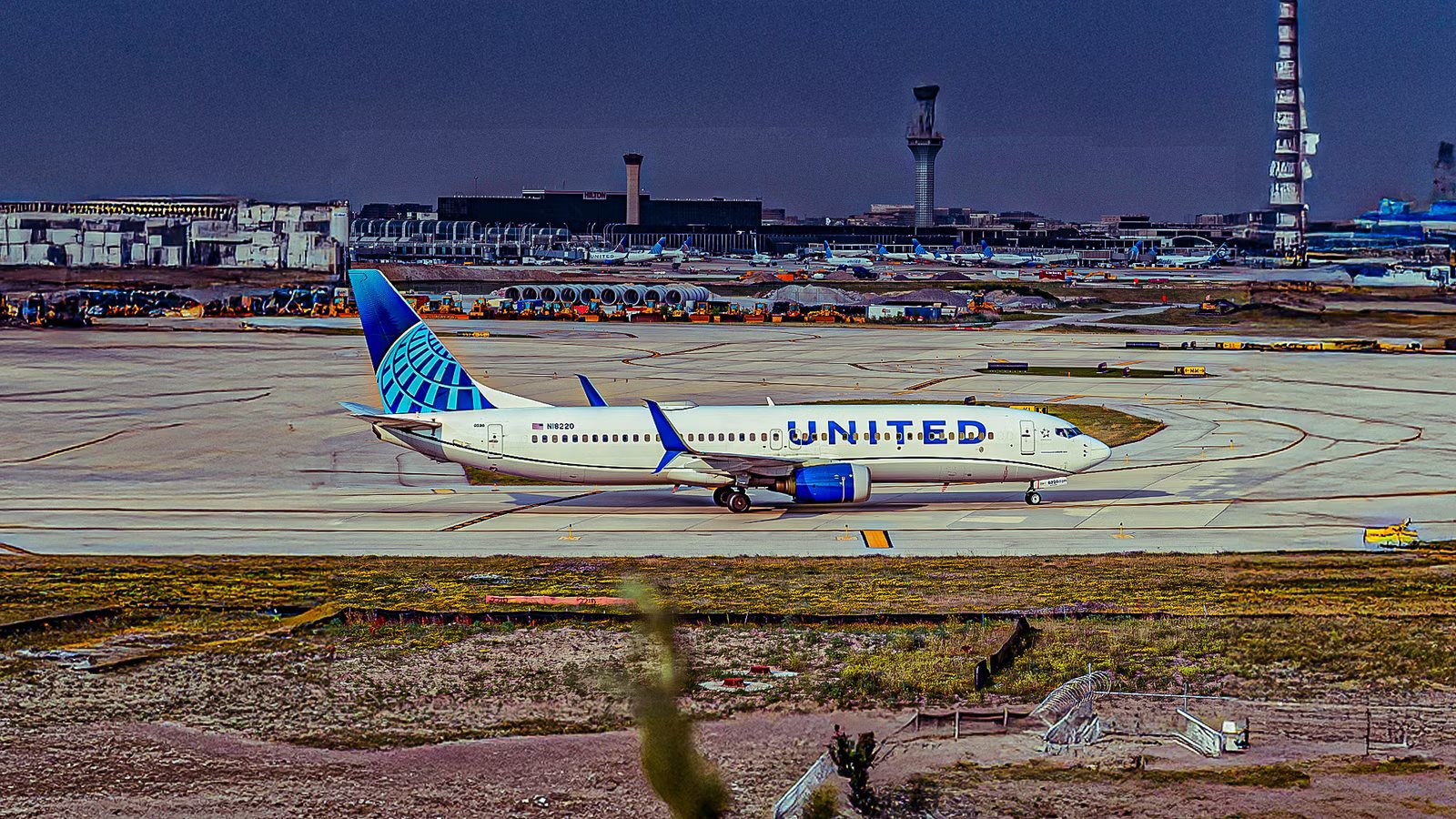
 United Airlines is introducing a new artificial-intelligence-powered tool for its airport staff, dubbed ‘ConnectionSaver.’ The program is intended to help UA employees working at airports like
  Denver International Airport (DEN) with extremely high connecting flight volume to make the best judgment call on whether to delay aircraft or not for flyers running late.
The software will analyze the potential impact to aircraft schedules and assess the risk of wider operational disruptions to help gate agents and other staff at busy airports decide if they should hold a jet or not for late connections. United claims that ConnectionSaver has already helped make 54,000 connections possible this year.
ConnectionSaver: No Traveler Left Behind

The AI-driven system is connected to the United Operations Center in Denver but it is also available to customers with the UA mobile app. Customer service supervisors at the Operations Center weigh the risk to the individual traveler and the impact of delaying their connection on the wider schedule to make real-time decisions. The app will display a countdown until the departure time of the connection flight as well as turn-by-turn directions for travelers to navigate the terminal from their arrival to the connecting departure.
The algorithm factors in a long list of variables to inform UA staff decisions including crew connections, crew duty times, the aircraft routing, as well as the maximum hold time on the ground and latest possible arrival at the destination. In the past, United’s customer service would typically be forced to leave behind flyers that are now making connections thanks to the AI program.
Vincent Passafiume, United’s director of airport operations customer service, gave this comment to 9 News:
“If they’re at risk of missing their connection, the system will tell us, can we hold that flight and still get them on to that original connecting flight while also not risking the customers that are already on board that aircraft and getting it to their destination on time.”
Artificial Intelligence Takes The Wheel… Or Yoke

The United Hub at Denver handles over 550 flights per day. ConnectionSaver pushes real-time data directly to United’s Station Operations Center in Denver. Supervisors get a complete picture of which passengers are in danger of a ‘misconnect.’ It will only recommend holding a plane for a few extra minutes if the pilot can safely make up that time in the air to ensure an on-time arrival.
ConnectionSaver simulates the flight’s route, weather patterns, and taxi speeds. If the algorithm decides to hold the aircraft for a flyer, they will receive a push notification stating that ConnectionSaver has been activated for your peace of mind. Another customer-centric feature of the new AI service is automatic rebooking should a traveler not make it onto their connection. ConnectionSaver will generate a list of recommended rebooking options and include compensation for lodging and meals, if applicable.
The scaling of artificial intelligence at United Airlines and across the broader commercial aviation industry represents a fundamental shift toward automated decision-making. As the integration of AI in the global aviation network expands rapidly, the technology is expected to heavily reshape ops in both the corporate office and the airport.
United Airlines’ Mobile App Rolls Out New TSA Wait Time Tracker At 7 Airports
United Airlines’ latest app update offers passengers a glimpse into the future of air travel, with real-time TSA wait times now integrated directly.
The Rise Of Machine Learning In Commercial Aviation

By some accounts, United is embedding machine learning and generative AI into almost every tier of its business. In late 2025, United CFO Mike Leskinen confirmed that AI-driven efficiency had already automated and replaced 8% of corporate management roles, with another 4% scheduled for reduction in 2026.
So far, AI has also been used to generate weather delay messages to travelers when their itinerary is impacted by severe conditions. UA claims this has led to a roughly 6% increase in customer satisfaction.
Machine learning is also being applied to maintenance for the fleet and scheduling as algorithms are used to optimize flight routes based on massive amounts of data on weather conditions, airspace conditions, and estimated aircraft payloads. Airlines, including United, have had some setbacks with full integration, but virtually every carrier is pushing ahead with more AI at every level of the business model.