dailynewsnblog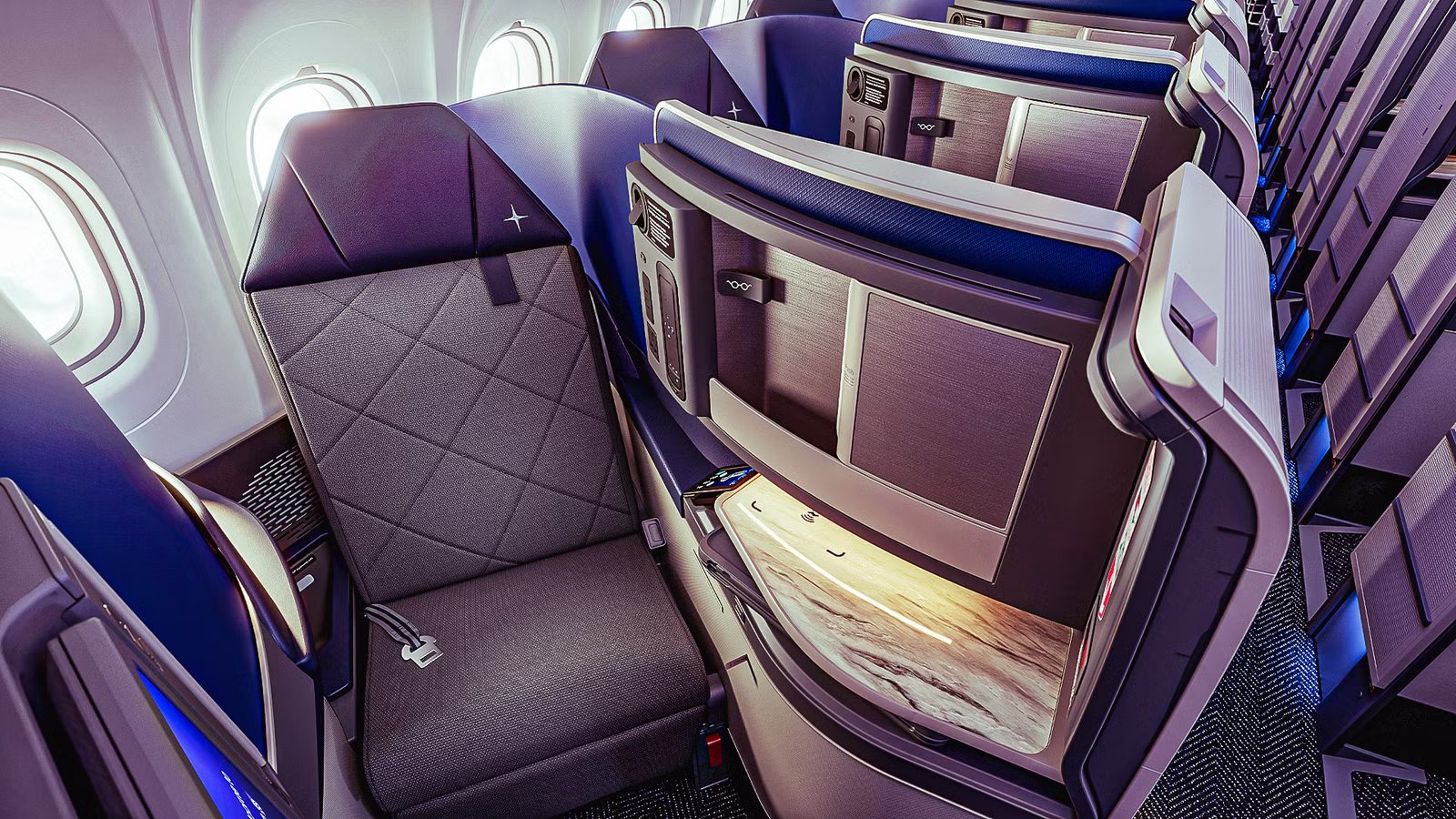
 United Airlines will introduce lie-flat Polaris suites on domestic flights lasting less than six hours, even though it might initially appear excessive. Traditionally, lie-flat seats are associated with long-haul overnight routes where sleep is essential. Flights between Newark and Los Angeles or San Francisco, while lengthy by domestic standards, are still daytime sectors for many travelers. Yet United’s new Airbus A321neo “Coastliner” program is not primarily about passenger comfort alone. It is a calculated response to competitive pressure, aging aircraft, premium revenue trends, and changing expectations among high-yield travelers.
On March 24, 2026, United officially unveiled the Coastliner subfleet, consisting of 40 leased A321neos internally designated A321LF. These aircraft are configured specifically for premium transcontinental operations and feature 20 Polaris lie-flat suites in a 1-1 layout, but the broader significance of the Coastliner initiative extends far beyond the seats themselves. United is effectively rebuilding its domestic premium strategy. The airline believes premium demand on transcontinental routes remains strong enough to justify international-style products on domestic flights. More importantly, United sees an opportunity to capture lucrative corporate travelers who increasingly view lie-flat seating not as a luxury, but as an expected standard on premium coast-to-coast service.
Aging 757s Force A Change

The immediate catalyst behind the Coastliner project is the gradual obsolescence of United’s Boeing 757-200 fleet. United currently operates approximately 40 of the type on premium transcontinental routes linking Newark with Los Angeles and San Francisco. However, the youngest aircraft in the fleet is now roughly 29 years old. While the 757 remains respected for its performance capabilities and operational flexibility, maintaining aging narrowbody aircraft has become increasingly expensive and operationally inefficient.
The issue extends beyond maintenance costs alone. Over the years, United’s premium transcontinental product was inconsistent because different aircraft types rotated through the network. Some flights featured domestic widebodies with superior seating and amenities, while others relied on older narrowbodies with dated interiors. For premium travelers paying thousands of dollars for business-class tickets, unpredictability became a growing source of frustration. Customers booking lie-flat products could suddenly find themselves on aircraft with inferior seating if operational substitutions occurred. Competitors differentiated themselves by offering more standardized premium experiences on transcontinental services.
The Coastliner addresses this problem directly. Instead of adapting general-purpose aircraft for premium flying, United designed a dedicated subfleet specifically for the mission. Every Coastliner aircraft will feature the same cabin layout, Polaris suites, and onboard amenities. This consistency is central to the strategy because reliability matters significantly to corporate clients and frequent business travelers. The fleet renewal also solves a broader operational challenge. Older aircraft require more unscheduled maintenance, consume more fuel, and pose a greater risk of scheduling disruption. Replacing the 757 fleet with modern A321neos improves operational reliability while simultaneously elevating the passenger experience. In practical terms, United is using premium seating as the public-facing component of a much larger modernization effort.
|
Comparison of Current and New United Premium Transcontinental Cabins by Seats |
|||
|---|---|---|---|
|
Aircraft |
Polaris |
Premium Plus |
Economy |
|
A321neo Coastliner |
20 |
12 |
129 |
|
757-200 |
16 |
166 |
|
|
Source: AeroLOPA |
|||
Airbus Steps In After Boeing Delays

United’s choice of the A321neo was not originally part of the airline’s long-term plan. The carrier had intended to deploy the Boeing 737 MAX 10 in this role, but prolonged certification delays significantly complicated that strategy. Rather than continue waiting for an uncertain timeline, United moved toward the Airbus aircraft. Fleet planning is increasingly shaped not only by ideal long-term strategies but also by manufacturer production constraints and certification uncertainty. Boeing’s difficulties with the MAX program created openings for Airbus across several market segments, and United’s Coastliner project became one of the most visible examples.
Catch what other flight trackers miss
Emergency squawks, holds, NOTAMs — live signals, no signup.
Open tracker
Catch what other flight trackers miss
Emergency squawks, holds, NOTAMs — live signals, no signup.
Open tracker
The A321neo is particularly well-suited for premium transcontinental service because it combines strong range capability with lower operating costs than older narrowbodies. Compared with the 757, the aircraft offers superior fuel efficiency, quieter cabins, and modern avionics. These improvements reduce operating expenses while simultaneously enhancing passenger comfort. While the A321neo initially emerged as a pragmatic response to Boeing delays, the program also signals a strategic evolution in United’s thinking about domestic premium travel. The airline appears increasingly committed to specialized premium narrowbody fleets rather than relying on mixed aircraft assignments.
The cabin configuration itself demonstrates that intent. United selected a highly premium-heavy layout with only 161 seats, well below the A321neo’s maximum capacity. Dedicating so much cabin space to premium products indicates confidence that high-yield passengers will continue generating disproportionate revenue on transcontinental routes. Travelers at the top end of the market tend to remain more resilient, especially on business-focused routes linking financial and technology centers.
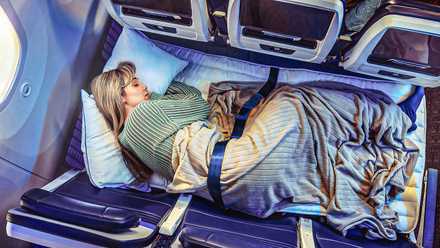
What United Airlines’ Relax Row Economy Beds Actually Cost Vs Premium Economy On Long-Haul Flights
The sky bed offers economy passengers a cheaper sleep-focused alternative to Premium Plus on long-haul international flights.
United Is Fighting For High-Value Travelers

The most important factor behind the Coastliner strategy is competition. The transcontinental market between New York and the West Coast has evolved into one of the most aggressively contested premium battlegrounds in North American aviation. JetBlue Airways fundamentally reshaped customer expectations when it introduced Mint business class, offering lie-flat seating at prices often lower than legacy competitors.  Delta Air Lines subsequently expanded its premium strategy with high-end A321neo cabins featuring Delta One suites on key routes.
  American Airlines also built a strong reputation with its Airbus A321T fleet, although the carrier has recently begun reconfiguring those aircraft toward less premium-intensive layouts.
United recognized that maintaining older 757s while competitors introduced newer premium products risked weakening its position among high-revenue travelers. The Coastliner strategy, therefore, centers on market positioning as much as product quality. By introducing dedicated Polaris-equipped aircraft specifically for transcontinental flying, United aims to present itself as the most reliable legacy option for premium domestic travel.
The timing is also notable because American Airlines has scaled back aspects of its premium transcontinental strategy. United appears to believe the competitive landscape now offers an opportunity to establish stronger leadership among legacy carriers while continuing to challenge JetBlue’s Mint product directly. Rather than treating premium transcontinental routes as extensions of standard domestic operations, United is increasingly treating them as specialized business markets that require dedicated aircraft, upgraded amenities, and internationally competitive service standards.
It’s About More Than Just Lie-Flat Seats

Although the Polaris suites attract the most attention, the Coastliner initiative involves a broader overhaul of the onboard experience. United is attempting to narrow the distinction between domestic premium travel and international business class service. One of the most significant additions is Polaris Lounge access for business class passengers on these domestic routes. Traditionally, United reserved Polaris Lounges primarily for international premium travelers. Extending access to domestic transcontinental passengers represents a substantial enhancement, bringing the elevated international business class experience to domestic flights. This decision is designed to compete more directly with Delta One lounges and JetBlue’s premium ground experience for Mint passengers.
The new Polaris suites themselves also reflect extensive product development. United states that the seats were developed over more than five years of research and offer greater shoulder and elbow room than several competing products. Privacy and personal space have become increasingly important differentiators in premium aviation, especially as business travelers seek environments suitable for working, relaxing, or sleeping. The suites will be in a 1-1 configuration, giving each passenger both window and aisle access. Technology upgrades further reinforce the premium positioning. The Coastliner aircraft includes 4K OLED entertainment screens with Bluetooth connectivity, allowing passengers to pair personal wireless headphones directly with the inflight entertainment system. Premium travelers often evaluate an airline based on the cumulative quality of every stage of the journey, including lounges, seating, entertainment, dining, and cabin ambiance. United’s decision to invest heavily in these areas reflects confidence that customers are willing to pay for a superior experience even on flights lasting fewer than six hours.

Massive News: United Airlines Unveils First-Ever Domestic Polaris Routes
United brings Polaris branding and premium lounge access to select domestic routes for the first time.
The Coastliner Reflects A Larger Shift In Airline Economics

The Coastliner program is ultimately part of a much broader transformation underway at United. The carrier expects to receive more than 250 new aircraft by April 2028 as part of an extensive fleet renewal initiative. According to Chief Commercial Officer Andrew Nocella, the strategy is designed to give passengers “more premium amenity and seat choices.” Behind that statement lies a significant shift in airline economics. Airlines are prioritizing premium revenue growth because premium cabins generate far higher margins. As a result, United believes premium demand on transcontinental routes is sustainable enough to justify allocating significant cabin space to high-end seating. Once the Coastliner fleet is fully deployed, the airline projects it will offer nearly twice as many lie-flat seats compared to its closest competitor.
The strategy, therefore, extends beyond replacing aging aircraft. United is restructuring its premium domestic business around the assumption that customer expectations have permanently changed. Lie-flat seating on five or six-hour flights is no longer viewed as an unnecessary indulgence. In competitive business markets, it is increasingly becoming a baseline expectation. United believes premium domestic flying has evolved into a market where international-style products are no longer optional for major carriers. In that environment, lie-flat seats on sub-six-hour routes are not excessive. They are becoming essential competitive tools.