dailynewsnblog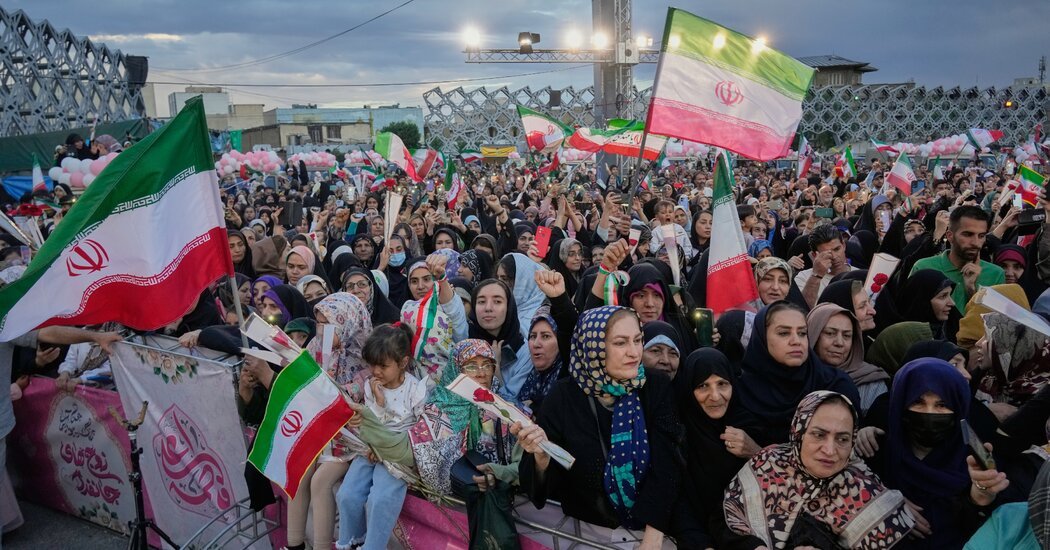
“Our military forces have made the best possible use of the cease-fire period to rebuild their capabilities,” Gen. Mohammad Bagher Ghalibaf, the speaker of Iran’s Parliament who has been leading negotiations with the United States, said in an audio address to the nation earlier this month. “We will make the enemy regret any renewed aggression against Iran.”
At the same time, Iranian officials courted regional mediators, signaling that they would be open to resolving the standoff diplomatically to avert the resumption of war.
Foreign Minister Abbas Araghchi spoke to European and regional counterparts and the United Nations secretary general, António Guterres, seeking to defuse tensions, according to readouts by Iran’s foreign ministry. Iran also hosted Prime Minister Shehbaz Sharif of Pakistan and its top army chief, Field Marshal Syed Asim Munir, who met with Iran’s political and military leadership and pushed for Tehran to agree to a proposed agreement.
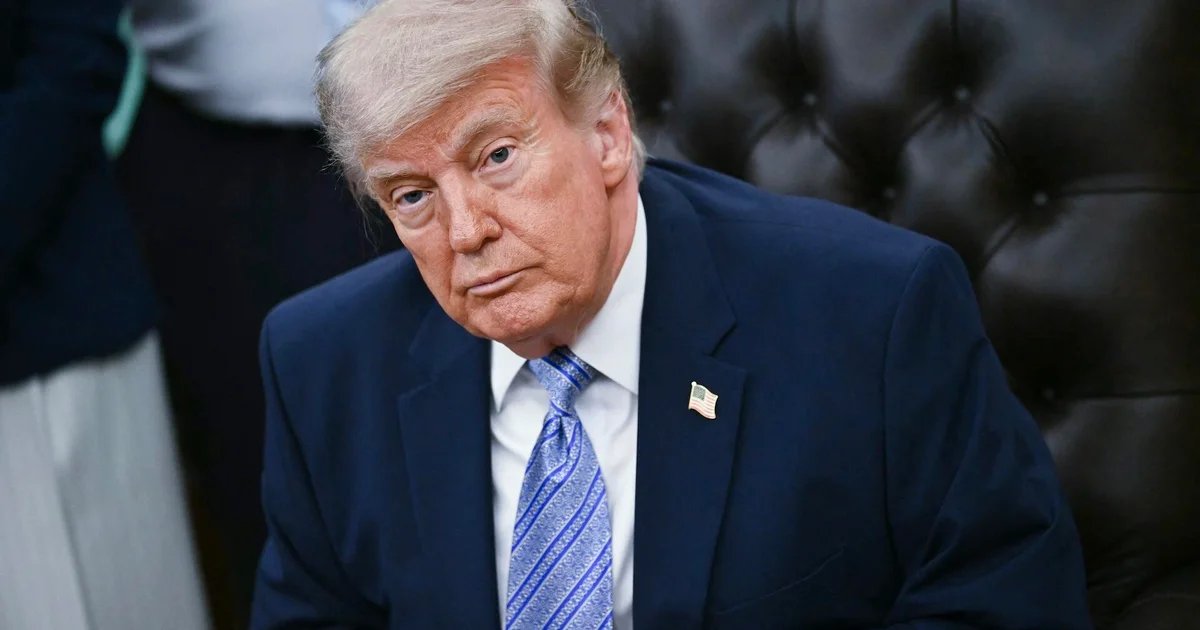
“The Iranians have shown that Trump can achieve less through threats and coercion than through diplomacy,” said Omid Memarian, a senior a senior analyst at DAWN, a Washington-based think tank focused on U.S. foreign policy. “For both sides, negotiations are becoming unavoidable because of the enormous costs of continuing the war.”
The Iranian officials said that the new supreme leader, Ayatollah Mojtaba Khamenei, who was injured on the first day of the war and is in hiding, had authorized General Ghalibaf to make decisions about the agreement and had informed other top generals and the negotiating team about how much Iran was willing to concede.
Many ordinary Iranians welcomed the news of a potential agreement. Iran is still reeling from the economic fallout of the war, including widespread layoffs, skyrocketing inflation, a shortage of medicine and gasoline, and damage to the country’s critical infrastructure amounting to more than $300 billion.
Many Iranians had been anticipating that airstrikes would resume as early as this weekend. Mr. Trump had repeatedly threatened to destroy power plants and infrastructure, causing panic among citizens already struggling from the economic impact of the bombardment and blockade.
“We were trying to figure out if we should leave Tehran if bombs fall again, and buying water and batteries,” Nazanin, 56, an engineer in Tehran, said in a phone interview, asking to be identified by only her first name. “I gave a big sigh of relief.”