dailynewsnblog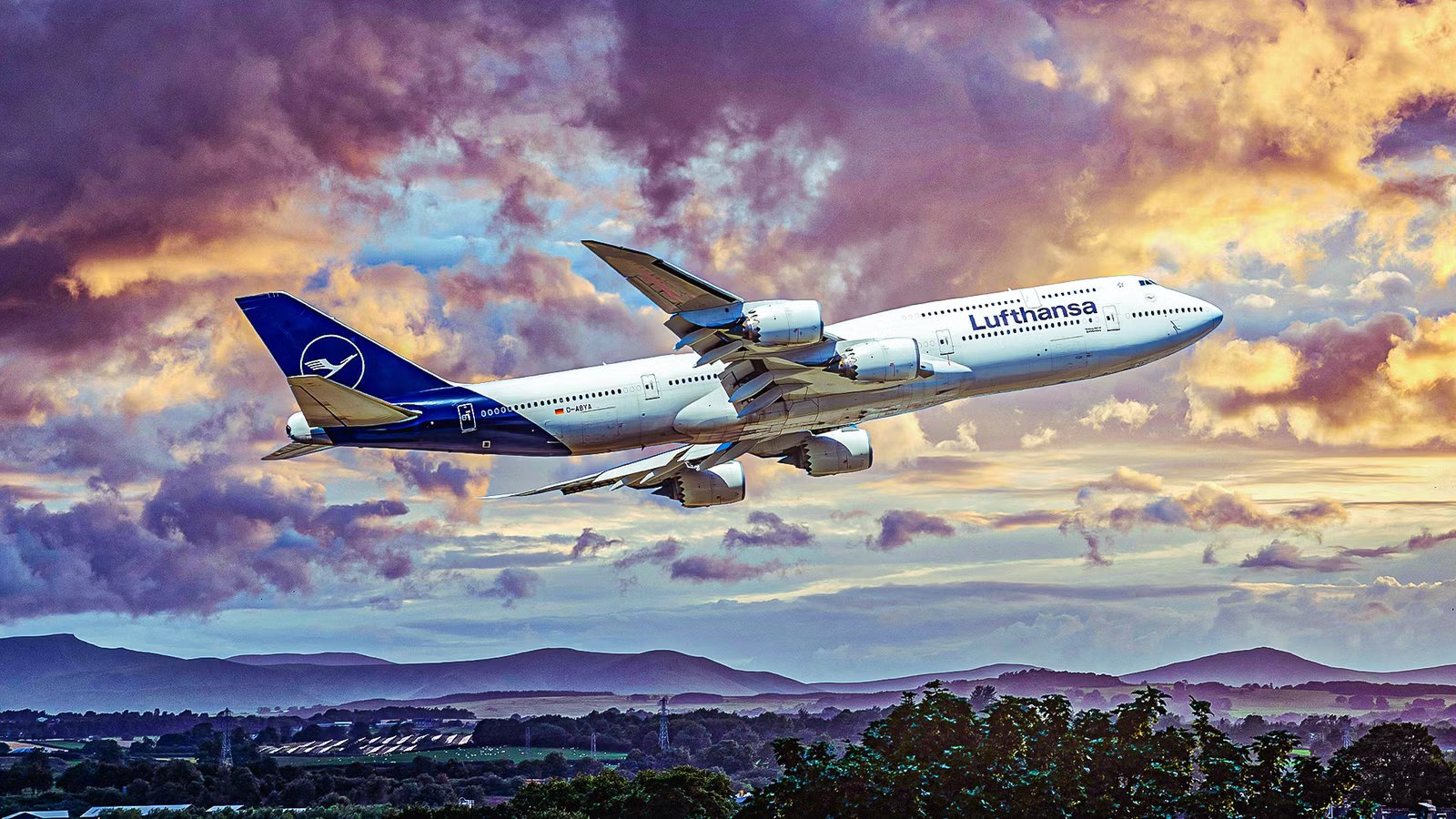
In recent years,  Lufthansa has stood out from the crowd by continuing to operate multiple types of widebody quadjets, despite these aircraft having largely fallen out of service due to their lower cost-efficiency compared to more modern twinjets. Now, however, even the German flag carrier is beginning to wind down its quadjet operations, as evidenced by the latest schedule changes.
Indeed, the airline’s withdrawal of the Boeing 747 from service means that, as of this winter, two major US airports will no longer have any passenger 747 flights. While the ‘jumbo jet’ remains more active on the cargo front, which will delight planespotters at airports around the world, its increasing rarity on the passenger side of things means that avgeeks are running out of chances to fly on the type.
The End Of The Line

Earlier this week, Aeroroutes reported that Lufthansa had filed a wide range of schedule changes concerning its long-haul operations over the northern hemisphere winter season. These will take effect on Sunday, October 25, when the IATA winter schedule begins, following the end of the summer timetable. Most notable among these changes is the withdrawal of the Boeing 747 from two US routes.
Simple Flying Quiz
Easy (15s)Medium (10s)Hard (5s)
Indeed, on the route from Frankfurt Airport (FRA) to George Bush Intercontinental Airport (IAH) in Houston, Texas, the German flag carrier will replace the 747-400 with the 787-9 Dreamliner this winter. Meanwhile, the 747-8 will no longer fly from Frankfurt to San Francisco International Airport (SFO), with the Airbus A350-900 taking its place. Lufthansa confirmed the retirements in a statement.
“The last four remaining Airbus A340-600s will leave the fleet in October. (…) Two Boeing 747-400s will be grounded from October onwards for the coming winter. The final farewell to this aircraft type is planned for next year.”
What Does This Mean In Terms Of Capacity?

Aside from the obvious downside of local avgeeks in Houston and San Francisco having fewer 747 aircraft to spot, these changes also stand to impact capacity on these two routes. According to current fleet data from aeroLOPA, Lufthansa’s Boeing 747-400s have 371 seats, while the 747-8s have either 348 or 364 seats, depending on the layout.
Looking at the Houston route to begin with, the 787-9 Dreamliner twinjets set to replace Lufthansa’s 747-400 quadjets on this corridor over the winter have either 287 or 294 seats. As such, the deployment of these aircraft would respectively represent a capacity decrease of either 22.64% or 20.75%. Over the course of an entire winter season, this certainly makes a big overall difference.
Meanwhile, as previously noted, the A350-900 will replace the 747-8 on Lufthansa’s route from Frankfurt to San Francisco International Airport in the 2026/27 northern hemisphere winter season. Lufthansa has various configurations for this model, but only one has first class, like the 747-8. This layout has 267 seats overall, representing a 23.28% or 26.65% decrease in capacity vs the Boeing 747-8.
So Long: Why Lufthansa Is Saying Goodbye To Its Quadjets Sooner Than Expected
The carrier’s accelerated fleet transformation reflects a broader industry pivot towards efficiency and sustainability.
Air China Will Keep The 747 Alive At JFK & Dulles

There are currently two more US routes from FRA where Lufthansa also plans to cut its use of 747 jets this winter. These corridors serve  John F. Kennedy International Airport (JFK) and Washington Dulles International Airport (IAD). In both cases, the A350-900 will take over, assuming duties from the 747-400 to JFK and the 747-8 to Dulles.
However, this does not mean that these two major US hub airports in the east of the country will be completely devoid of passenger 747 flights this winter. Indeed, according to current scheduling data from Cirium, an aviation analytics company, Air China plans to continue serving bothfacilities from its hub at Beijing Capital International Airport (PEK) with the 747-8.