dailynewsnblog
NEW YORK (AP) — The U.S. stock market is yo-yoing on Tuesday as artificial-intelligence stocks keep swinging following their sudden and sharp losses from last week.
The S&P 500 fell 0.2% after bouncing between an early gain of 1% and a midmorning drop of 0.6%. The Dow Jones Industrial Average was up 162 points, or 0.3%, as of 11 a.m. Eastern time, and the Nasdaq composite was 0.6% lower.
Indexes pulled lower as companies selling computer chips, memory and other building blocks of the AI boom broke from early gains to losses. Micron Technology, for example, went from an early jump of 4.2% to a drop of 1.9%. That’s a day after it jumped 9.9% and two days after it plunged 13.3%.
The computer memory company’s stock has already tripled so far this year, raising criticism that it’s gone too far, too fast. Following last week’s industrywide sell-off, the question is whether AI stocks are heading for a long downturn or just needed a shake-out to get rid of excessive optimism.
The biggest gain in the S&P 500 came from J.M. Smucker, which jumped 12.3% after reporting a stronger profit for the latest quarter than analysts expected.
The company behind the Folgers, Hostess and other brands benefited from higher prices charged for coffee and sweet baked goods. It joined the long list of U.S. companies delivering stronger profit growth than analysts expected, which has helped drive the S&P 500 to record after record this year.
United Natural Foods dropped 13.5% after reporting weaker revenue for the latest quarter than analysts expected.
Nuvalent soared 38.8% after GSK agreed to buy the biotech company for $10.6 billion. The shares of U.K.-based GSK that trade in New York added 1%.
Wall Street, meanwhile, got some relief from falling oil prices. The price for a barrel of Brent crude oil dropped 3% to $91.40 after briefly topping $98 the day before.
Oil prices have swung up and down as hopes fade and rise that the United States and Iran can reach a deal to reopen the Strait of Hormuz. That would allow oil tankers to resume delivering crude from the Persian Gulf to customers.
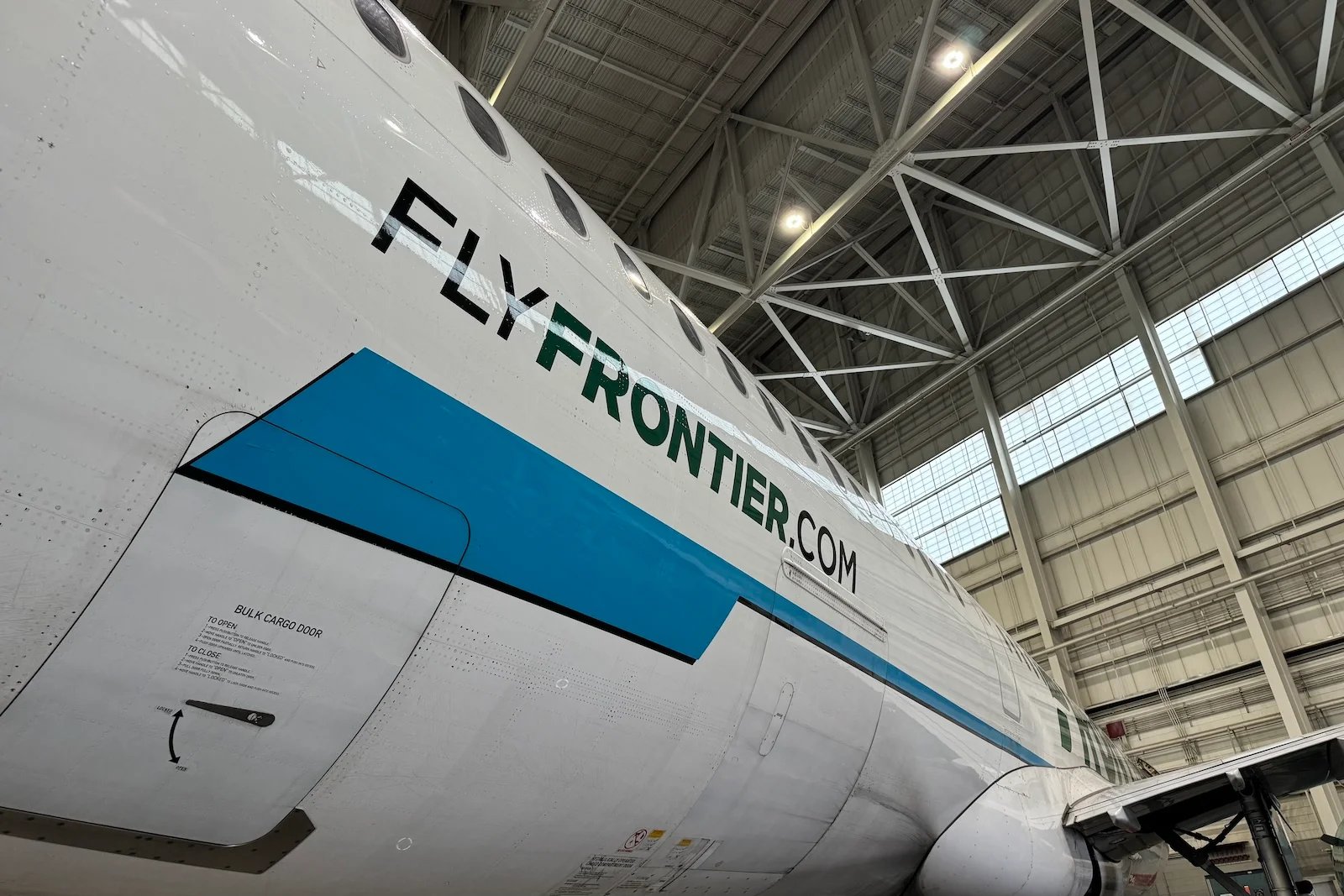
The drop in oil prices helped stocks of airlines, which have been punished by soaring fuel costs. U.S. airlines spent more than $6 billion on jet fuel in April, up 78% from a year earlier, according to government data. United Airlines rose 3%, and American Airlines climbed 3.9%.
To make up for their higher fuel bills, airlines have been raising their own airfares. It’s part of the broad, painful acceleration of inflation hitting U.S. shoppers because of the war with Iran. The high oil prices are also pushing up bond yields worldwide, raising the pressure on stock prices.