dailynewsnblog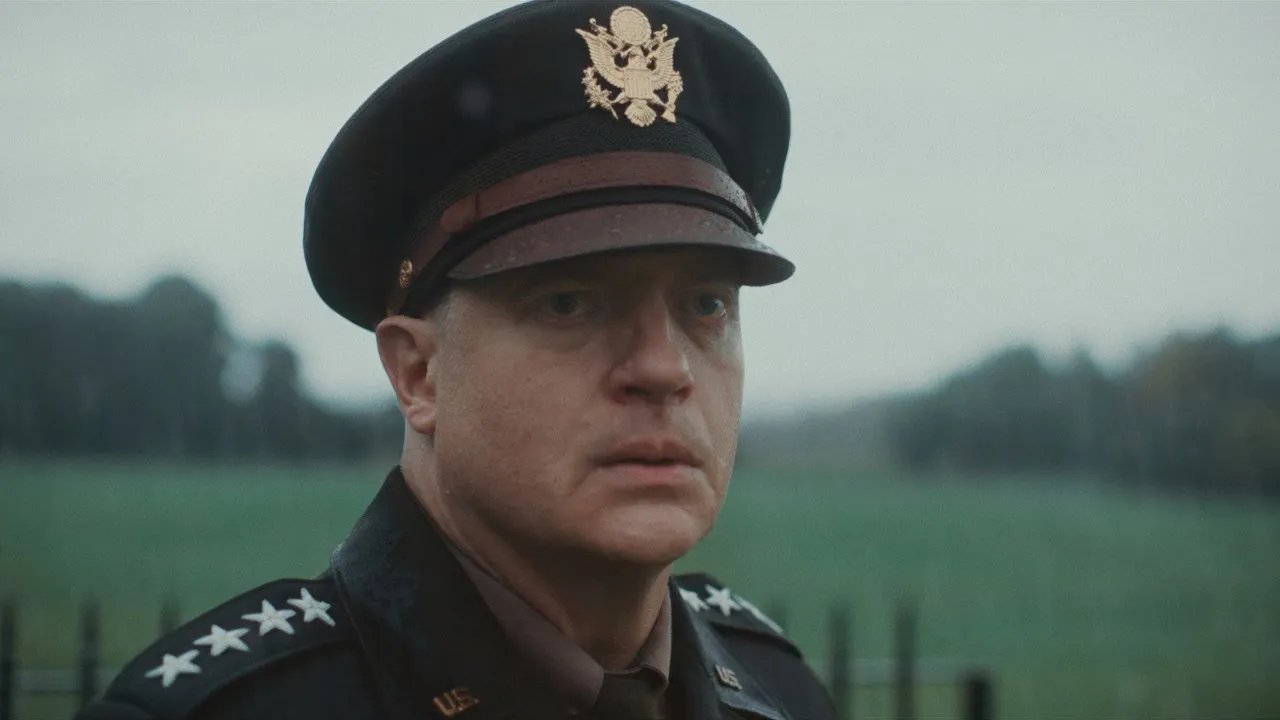
Pressure opens in theaters on May 29.
Pressure focuses on the 72 hours leading up to D-Day, the Allied invasion of Normandy in June 1944 that ultimately paved the way for the downfall of the Nazis. You’ll never see a more important movie about weather forecasts than this well-crafted, solidly performed drama directed by Anthony Maras and based on David Haig’s 2014 play of the same name.
Pressure dramatizes the fateful choice that General Dwight D. “Ike” Eisenhower (Brendan Fraser), the Supreme Commander of the Allied Expeditionary Force, must make when informed by meteorologist Group Captain James Stagg (Andrew Scott) that massive storms may occur on the invasion’s planned date of June 5th. If the Allies delay D-Day too long, they will lose the element of surprise against the Germans and their best shot at winning the war. But if they go ahead with a massive seaborne invasion during such weather, they risk the whole operation failing and thousands of lives being needlessly lost.
Fraser finds Eisenhower’s vulnerabilities and flaws while maintaining his commanding presence. He cares deeply about his men, but can also be single-minded and demanding. The film also tenderly depicts the close bond between Ike and his chauffeur and personal secretary, Lt. Kay Summersby (a warm Kerry Condon), who acts as the gatekeeper to the general. They’re not a romantic item, mind you, so much as work spouses who know each other well enough to speak frankly.
As important as Fraser’s Eisenhower is to Pressure, the film’s main protagonist is Stagg, played by Scott as a brilliant but difficult man. Stagg’s softer side is really only evident to his pregnant wife before he leaves for duty at Southwick House, the rural English headquarters of Operation Overlord. (Batman Begins’ Wayne Manor, aka Mentmore Towers, stands in for the real location.)
Stagg is a stubborn but ultimately fair taskmaster who demands results from his team. He almost immediately clashes with his American counterpart, the humblebragging meteorologist Irving Krick (Chris Messina), whom Ike has come to deeply trust thanks to their past campaigns. But Stagg and Krick have wildly different approaches to crafting a long-range forecast for D-Day. Stagg collects and analyzes a wide array of readings and data coming to him in real time; Krick relies on statistical analogue techniques that forecast based on historical patterns. Stagg believes the weather will be awful on June 5th while Krick insists it will be fine.
The brass do not want uncertainty from their meteorologists. Eisenhower and his military commanders, including General Bernard “Monty” Montgomery (a perfectly snide Damian Lewis, reuniting here with his Band of Brothers co-star Andrew Scott), are frustrated that there isn’t a unified recommendation. Monty and others believe if they don’t go on June 5th – and wait until mid-June as Stagg suggests – they may as well start learning to speak German.
Eisenhower, though, is haunted by the recent tragic failure of Exercise Tiger, a dress rehearsal for D-Day that resulted in hundreds of friendly fire deaths due to one simple error. He’s aware that he himself has never seen combat – something Monty obnoxiously reminds him about – and knows that whatever his decision, the fate of the war rests with him. (Guess whose forecast Ike ends up going with?!)
Although the outcome of D-Day is known, Pressure successfully ratchets up tension by showcasing the uncertainty weighing on all of its characters. No one wants to be wrong, many big egos are weighing in, and the fate of the free world hangs in the balance. The film also introduces a very personal, ticking-clock crisis for Stagg that lends him much-needed vulnerability at a point where his behavior threatens to make him insufferable.
While Pressure is to be commended for its painstaking attention to detail in costuming and production design, there’s one notable area the film tries to pull off but just can’t quite succeed in. Act 3 admirably recreates the Normandy Beach landings to great effect, but it’s simply impossible for the film not to come up short when inevitably compared to the unsurpassable D-Day sequences in Saving Private Ryan. Still, not a bad runner-up