dailynewsnblog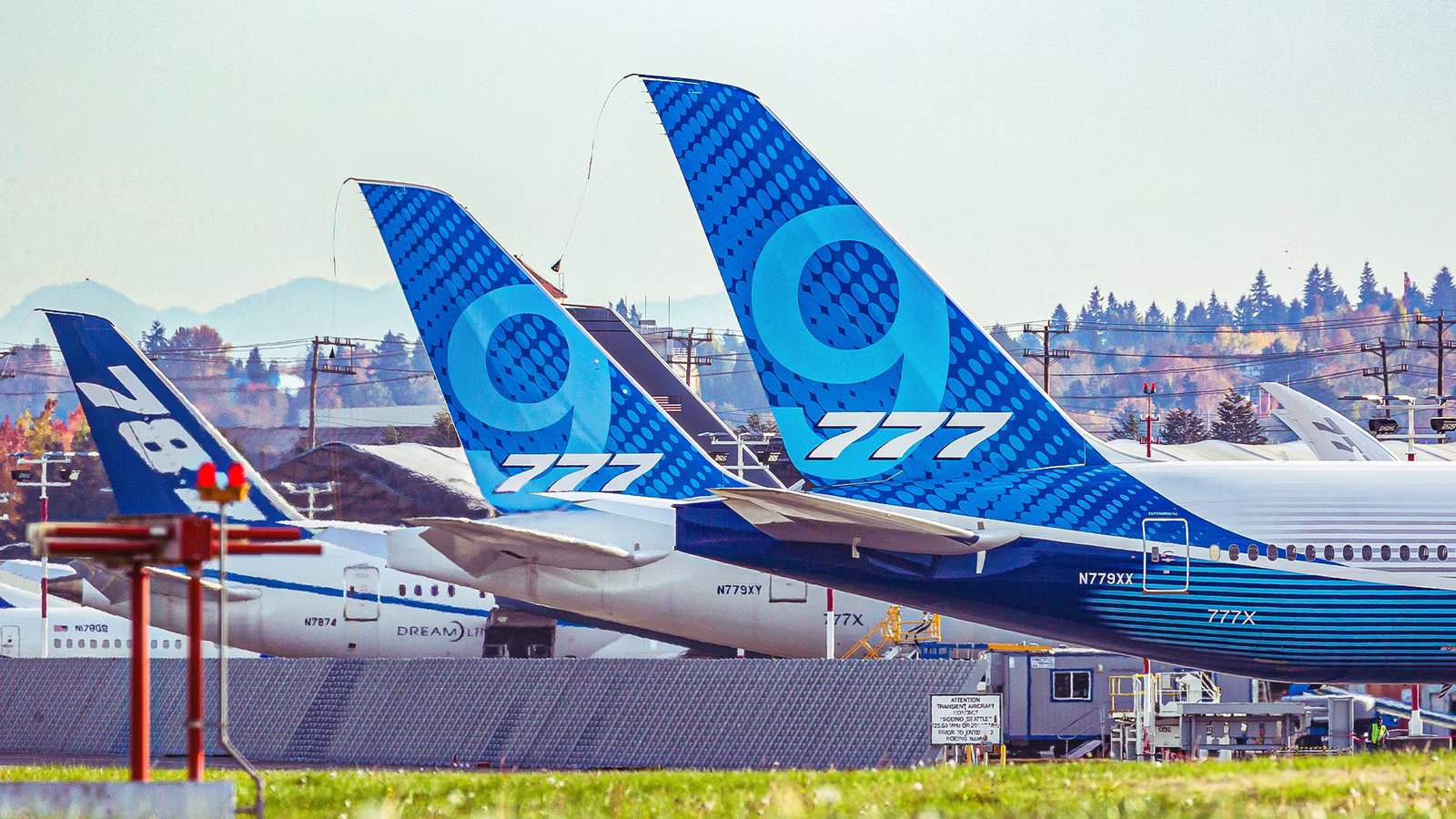
The recent revelation that roughly 30 completed Boeing 777X aircraft require significant rework before delivery exposed a costly side effect of building jets before certification is complete. CEO Kelly Ortberg said the aircraft will undergo a years-long “change incorporation” process to align older airframes with design updates made during flight testing. Some jets will need structural modifications, while newer builds require smaller software and systems changes.
The disclosure underscores the risks of Boeing’s build-and-store strategy for the 777X program. Producing aircraft ahead of certification helps keep factories running, but evolving test requirements can leave already-built jets outdated before they ever enter service. As Boeing pushes toward first 777-9 deliveries in 2027, airlines including  Emirates and
  Lufthansa are still waiting for aircraft that now require extensive updates before delivery.
Why Boeing’s Stored 777X Fleet Needs Rework

Boeing
The Boeing 777X was launched in 2013 as the long-range successor to the highly successful 777 family, with entry into service originally planned for 2020. Instead, the program has become defined by repeated delays, tougher regulatory scrutiny, and mounting development costs that now exceed $15 billion. Much of the disruption followed the Boeing 737 MAX crisis, which forced regulators to impose stricter certification standards across Boeing’s newer aircraft programs.
Those delays created a cascading problem for aircraft that had already been built. As flight testing continued, Boeing introduced changes to flight control software, structural components, and other systems to meet evolving certification requirements. Aircraft produced years earlier no longer matched the latest approved configuration, leaving Boeing with dozens of completed 777X jets that now require extensive rework before delivery.
The challenge is especially significant because the 777X remains in the final stages of FAA certification testing. While the program recently advanced into Phase 4A of the Type Inspection Authorization process, regulators are now evaluating the aircraft in fully integrated, real-world operating conditions. That stage often reveals issues that were not visible during earlier system-level testing, creating the possibility of additional changes before certification is complete.
What ‘Change Incorporation’ Means In Practice

Shutterstock | Simple Flying
“Change incorporation” is Boeing’s process for bringing already-built aircraft up to the latest production and certification standard. Because the 777X program has stretched across years of testing and redesigns, stored aircraft now exist in several different configuration phases. Earlier builds reflect older engineering assumptions and system architectures, while newer airframes were assembled after later design updates had already been introduced on the production line.
That creates a major standardization challenge. Boeing must now align aircraft built across multiple stages of the program to a single common configuration before deliveries can begin. Older jets are expected to require the most extensive work, including structural modifications and deeper systems integration changes, while more recent builds may only need updated software and smaller component revisions.
The complexity stems from how aircraft programs evolve during certification. As testing uncovers issues or regulators demand refinements, manufacturers gradually implement those changes on newer production aircraft. Over time, the gap between the earliest completed jets and the latest production standard can become significant, forcing manufacturers to effectively rebuild portions of stored aircraft before they are ready for airline service.
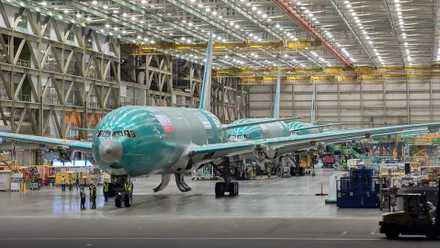
Why Did Boeing Already Build Over 20 Examples Of The 777-9?
The Boeing 777-9 is not due to enter commercial service until 2027.
The Risks Of Building Aircraft Before Certification

Building aircraft before certification is complete has long been one of the biggest industrial risks in commercial aviation. Manufacturers often continue production during testing to maintain factory output, support suppliers, and avoid massive delivery bottlenecks once approval finally arrives. The strategy works when certification progresses smoothly. But when delays stretch across years, already-built aircraft can quickly become outdated as engineering changes accumulate.
That is exactly what happened with the 777X. Since the program’s launch in 2013, Boeing has faced repeated certification delays, tighter regulatory scrutiny, and multiple design refinements tied to flight testing and FAA requirements. As newer standards and updates were introduced, earlier production aircraft no longer matched the latest approved configuration. Boeing now faces the costly task of modifying roughly 30 completed aircraft before they can enter airline service.
The challenge is not just financial. Reworking stored aircraft requires significant labor, supply chain coordination, and production planning at a time when the company is still navigating the final stages of certification. Even with progress through FAA TIA 4A testing and a targeted 2027 entry into service, the program remains vulnerable to further changes if regulators uncover new issues during integrated real-world evaluations.
How Flight Testing Changed The 777X Design

Flight testing has played a central role in reshaping the Boeing 777X from its original 2013 configuration into the aircraft now approaching certification. As the 777-9 progressed through years of trials, engineers identified areas where software logic, system integration, and structural elements needed refinement to meet updated regulatory expectations. These changes accumulated gradually, meaning the aircraft being built later in the program no longer matched the configuration of earlier production batches.
Simple Flying Quiz
Easy (15s)Medium (10s)Hard (5s)
Much of the evolution came from the aircraft’s increasingly complex flight control and systems architecture. The 777X introduced advanced fly-by-wire controls, new avionics integration, and large-scale structural innovations such as folding wingtips, all of which required extensive validation under real operating conditions. Flight testing exposed edge cases in how these systems interacted, leading to software updates and design adjustments aimed at improving consistency, redundancy, and handling across a wider range of scenarios.
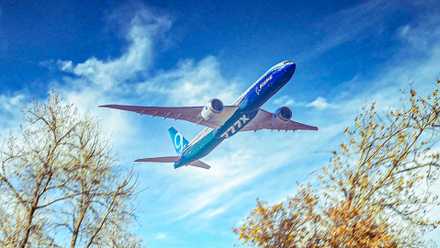
777X Surgery: Boeing Faces Costly Rework On Roughly 30 Stored Jets
Boeing anticipates it will take years because the amount of work required and the time it will take will depend on how old the airframe is.
Boeing’s Plan To Standardize The Stored Jets

Boeing’s plan for the stored 777X fleet centers on bringing every aircraft to a common production-standard configuration before delivery. That process involves updating older airframes with the latest structural, software, and systems changes introduced during years of certification testing. Rather than applying fixes individually across different aircraft configurations, Boeing is attempting to standardize the fleet first to simplify the final certification and delivery process.
The strategy reflects how much the 777X program has evolved since the earliest aircraft were assembled. The initial test aircraft contained extensive instrumentation, temporary systems, and non-standard components designed for flight testing rather than airline operations. Newer production-standard aircraft, by contrast, are built to match the exact configuration airlines like Lufthansa will eventually receive, including finalized software baselines, systems architecture, and operational reliability standards required by regulators.
Boeing’s dedicated “change incorporation” team will now spend years moving stored aircraft toward that same standard while certification testing continues through FAA Phase 4 evaluations. The goal is not simply to make the aircraft compliant, but to ensure they perform consistently in real-world airline service without relying on the specialized monitoring systems used during earlier test phases. That distinction has become increasingly important under the FAA’s stricter post-737 MAX certification environment, where regulators are focused as much on operational reliability as technical performance.
What The Delays Mean For Airlines

Emirates | Simple Flying
For airlines, the 777X delays have reshaped long-term fleet strategies across the industry. Carriers that originally expected deliveries around 2020 are now planning around a 2027 entry into service at the earliest, forcing them to keep older aircraft flying far longer than intended. That has increased maintenance costs, delayed fuel-efficiency improvements, and complicated network planning for some of the world’s largest long-haul operators.
Lufthansa has spent years extending the life of aging Boeing 747-400s, Airbus A340s, and even reactivated Airbus A380s while waiting for its first 777-9 delivery. The airline originally designed parts of its Allegris cabin strategy around the 777X, but delays forced those products onto other aircraft types first. Emirates has faced a similar challenge on a much larger scale. With 270 777X aircraft on order, the carrier has invested billions in refurbishing existing Boeing 777s and Airbus A380s to maintain capacity while deliveries continue to slip.
Other major customers have adapted differently. Singapore Airlines has leaned on its Airbus A350 and Boeing 787 fleets to preserve flexibility, while Cathay Pacific and Korean Air are building future fleet renewal plans around the aircraft despite continued uncertainty. The latest disclosure that dozens of completed 777X jets still require modifications before delivery highlights how those delays continue to ripple through airline operations years after the program was originally supposed to enter service.