dailynewsnblog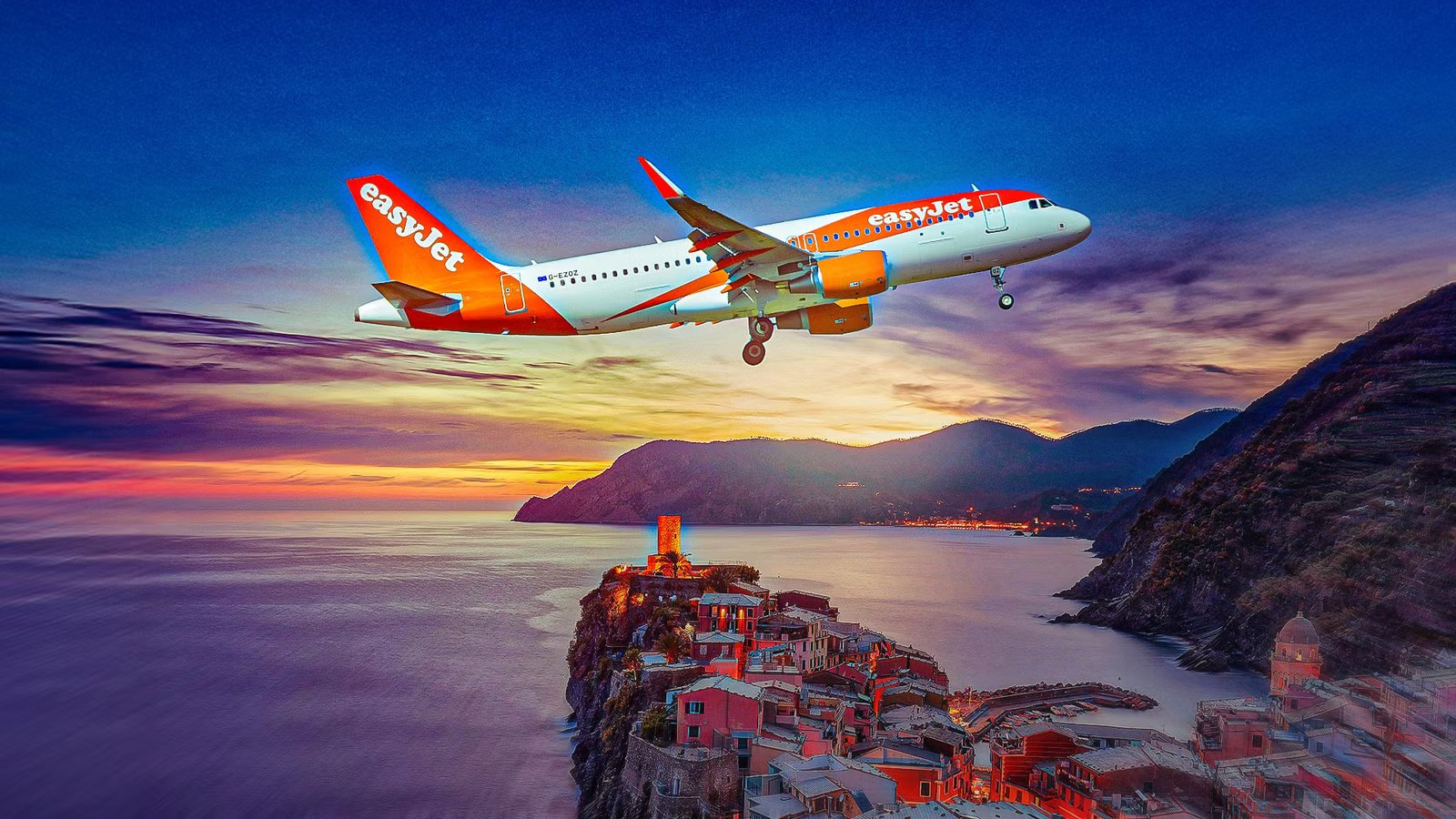
An easyJet flight from Hurghada to Luton was forced to divert to Rome after a passenger informed the cabin crew mid-flight that they had left a power bank charging inside their checked baggage. On May 19, Flight EZY2618 diverted to Rome Fiumicino Airport (FCO) as a precaution due to fire risk concerns, which were escalated under these circumstances as the device was being actively charged.
The evening flight had 180 passengers onboard, all of whom required overnight hotel accommodation before catching a replacement flight the next afternoon. Industry regulations require lithium power banks to be stored in hand luggage and not used or charged for the duration of the flight.
easyJet Power Bank Charging Incident

The incident took place on Tuesday evening as easyJet Flight 2618 was en route to London Luton Airport (LTN) following its departure from Hurghada International Airport (HRG) at 7:34 PM local time. Data from Flightradar24 shows the aircraft — an Airbus A320-200 — made a sudden turn for Rome more than three hours into the flight, eventually landing in the Italian capital four hours after departure.
|
Date |
Tuesday, May 19 |
|
Flight code |
EZY2618 |
|
Airline |
easyJet |
|
Aircraft |
Airbus A320-200 |
|
Scheduled Departure |
Hurghada |
|
Scheduled Arrival |
London Luton |
|
Fate |
Diverted to Rome |
In a statement, easyJet confirmed the incident, stating that its cabin crew “were informed a power bank was charging in luggage” before the pilot diverted “as a precaution in line with safety regulations.” Unfortunately for the airline and its passengers, the flight was not able to depart from Rome on the same evening. easyJet provided passengers with hotel accommodation and meals, adding that some travelers chose to remain in the airport. The next available flight from Rome to London Luton departed on Wednesday afternoon at around 2:00 PM local time. easyJet added,
“The safety of its passengers and crew is easyJet’s highest priority, and easyJet operates its fleet of aircraft in strict compliance with all manufacturers’ guidelines. We would like to apologize to all passengers for any inconvenience caused by the diversion and subsequent delay.”
Passenger Panic Onboard

According to those onboard the flight, passengers were initially unsure of the reason for the sudden diversion, creating a sense of panic and uncertainty. One passenger, Paul Casterton, told The Sun that the Captain said the flight was diverting as there was “something we shouldn’t have in the hold,” without clarifying the exact nature of the problem.
Casterton added that “no one knew what to think,” before the passenger responsible eventually told fellow travelers of the reason, and news spread throughout the cabin. Many travelers stayed in hotels overnight before continuing to Luton the next afternoon. However, rather than wait for the easyJet flight the next afternoon, some chose to book a flight with another carrier.
Airlines are cracking down on power bank usage and storage on flights amid a growing number of cabin fire incidents. For example, in the US, carriers including American Airlines and Southwest Airlines now require passengers to keep their power banks visible at all times. Global regulations do not allow passengers to use or charge power banks while flying, as this increases the risk of a malfunction or thermal runaway event.
New Global Aviation Rules On Power Banks Come Into Effect – Here’s What’s Changing
Passengers can now carry up to two power banks each onboard.
Counting The Diversion Costs

easyJet will have incurred significant costs due to the unexpected diversion, most likely in the tens of thousands of dollars. Fellow European low-cost giant Ryanair has previously published a cost-by-cost breakdown of its own diversion incidents, citing a $17,400 (€15,000) figure for a Dublin–Lanzarote flight that diverted to Porto in April 2024 due to an unruly incident onboard.
In that example, overnight accommodation for passengers and crew made up around half of the costs, adding to other overheads like airport landing fees, replacement crew costs, and additional fuel consumption. Ryanair maintains a strict policy to recoup diversion costs from unruly passengers — the carrier recently secured a conviction against two disruptive customers, who were ordered to collectively pay more than $12,000, alongside their suspended prison sentences.